
Are Electric Fireplace Heaters Safe Compared to Space Heaters

Disclosure: As an Amazon Associate, I earn from qualifying purchases. Learn more
Yes, electric fireplace heaters are generally safe when used correctly, placed properly, and operated with built-in safety features enabled. Most safety concerns come from misuse rather than the fireplace itself.
Electric fireplaces are now common in living rooms, bedrooms, and apartments, yet many people still hesitate before using them regularly. Questions often come up about leaving an electric fireplace on overnight, placing it on carpet, or using it as a daily heat source. These concerns usually stem from experiences with space heater fires or confusion about how electric fireplaces generate heat.
The most frequent worries involve fire hazards, overnight operation, and placement near flooring or furniture. Unlike wood or gas fireplaces, electric models do not burn fuel, but they still produce heat and rely on electricity. Understanding how they work, where risks actually come from, and how they compare to space heaters helps clarify what is safe and what requires caution.
How Electric Fireplace Heaters Work and Why Safety Is Different
Electric fireplace heaters work by converting electricity into heat through internal heating elements. That heat is distributed using a blower fan or infrared system, while the flame effect is created separately using LED lighting or projection. The visual flame does not produce heat, sparks, or combustion.
Because there is no real fire, electric fireplaces eliminate risks such as embers, gas leaks, smoke, or carbon monoxide. Many modern units include thermostats, timers, and overheat protection, which automatically regulate temperature and shut the unit off if internal heat rises too high.
This design makes electric fireplace heaters structurally safer than traditional fireplaces and many portable heaters. However, they are still electrical appliances. Blocked vents, damaged cords, or improper outlets can interfere with heat control. Safety depends less on the technology itself and more on how the unit is placed, powered, and maintained.
Common Causes of Electric Fireplace Fire Hazards
Most electric fireplace hazards are linked to preventable usage issues rather than product failure.
Blocked airflow is one of the most common causes. When vents are covered by furniture, curtains, or thick carpet, heat becomes trapped inside the unit. This may trigger automatic shutdowns, but repeated overheating can strain internal components.
Electrical overload is another frequent issue. Electric fireplaces draw similar power to space heaters and should never be plugged into power strips or shared outlets. Overloaded circuits increase heat at the plug and wiring level.
Unstable placement also contributes to risk. A freestanding electric fireplace placed on uneven carpet can tilt or block the bottom vents, causing uneven heat distribution.
Finally, poor maintenance increases long-term risk. Dust buildup inside vents, worn cords, or ignored warning signs like unusual odors can compromise safe operation over time.
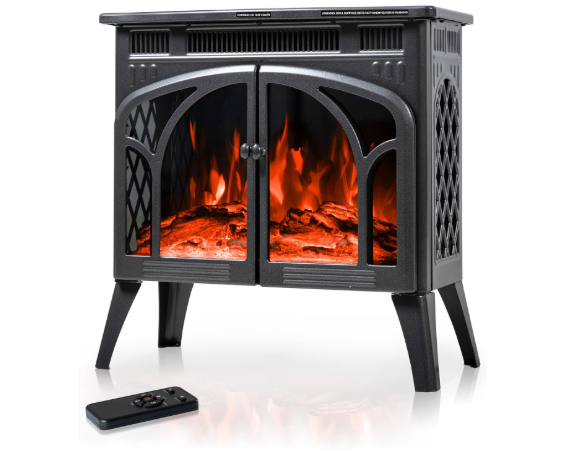
Recommended Electric Fireplace Stove for Safer Home Heating
The 24-inch free-standing infrared electric fireplace stove is designed for users who want warmth, visual comfort, and dependable safety in one unit. Its infrared heating system with thermostat and blower helps maintain a steady room temperature without overheating, supporting the question many users ask: are electric fireplace heaters safe for daily use. The 3D flame effect with multiple flame and log color options delivers a realistic ambiance without real fire, while the stable metal body and freestanding design improve placement safety on approved surfaces. With 1500W output and 5100 BTU capacity, it provides consistent supplemental heat for living rooms and bedrooms.
A practical electric fireplace option many homeowners prefer for safety and realistic flame control → View product details
Can Electric Fireplaces Cause Fires or Become Dangerous
Electric fireplaces rarely cause fires on their own. When incidents occur, they usually follow a pattern of improper setup or extended misuse.
For example, placing a freestanding electric fireplace stove tightly against a wall in a small room limits airflow. If the unit runs continuously on high heat while sharing an outlet with other appliances, internal temperatures can rise faster than designed.
Another scenario involves leaving an electric fireplace on all the time without using the thermostat or timer. Even with safety shutoffs, constant operation increases wear on internal components and shortens lifespan.
Children or pets blocking vents, pulling cords, or placing items near heat outlets can also create unsafe conditions. While exterior surfaces stay cooler than gas fireplaces, the warm air discharge still requires clearance.
These situations explain why electric fireplaces are considered safe but not completely risk-free when misused.
How Safe Are Electric Fireplaces on Carpet and Flooring
Symptom: Base of the unit feels unusually warm
Cause: Thick carpet blocking bottom airflow
Symptom: Fireplace shuts off unexpectedly
Cause: Overheat sensor triggered by restricted ventilation
Symptom: Light burning smell during use
Cause: Dust accumulation or heat buildup
Electric fireplaces can be safe on carpet if the unit is designed for freestanding use and placed on a firm, level surface. Low-pile carpet typically poses fewer issues than thick or uneven flooring.
Problems usually arise when carpet fibers interfere with airflow or cause the unit to sit unevenly. Using a hearth pad or solid base improves ventilation and stability, reducing heat retention underneath the unit.
Can You Leave an Electric Fireplace On Overnight or All Night
Built-In Safety Features
Most electric fireplaces include automatic shut-off systems, temperature sensors, and timers. These features significantly reduce overheating risk during extended use.
When Overnight Use Is Reasonable
An overnight operation can be safe when the fireplace is well-maintained, properly ventilated, and not surrounded by flammable materials. Models with thermostats and blower systems manage heat more consistently.
When Overnight Use Is Risky
Running the unit on high heat all night in a small room, especially on carpet with blocked vents, increases risk. Fireplaces without timers or with damaged cords should not be left on while sleeping.
Practical Safety Solutions for Daily Electric Fireplace Use
- Place the unit on a stable, level surface
- Keep vents clear on all sides
- Plug directly into a wall outlet
- Use thermostat and timer settings
- Clean vents regularly to remove dust
- Inspect cords and plugs each season
These steps reduce electric fireplace hazards and help maintain long-term performance.
Electric Fireplace vs Space Heater Safety Comparison
| Safety Factor | Electric Fireplace | Space Heater |
|---|---|---|
| Open flame | No | No |
| Tip-over protection | Common | Varies |
| Surface temperature | Lower | Often higher |
| Built-in thermostat | Frequently included | Sometimes absent |
| Stability | High | Moderate |
| Fire risk from misuse | Low | Moderate |
Electric fireplaces are generally safer than space heaters due to enclosed heating elements, greater stability, and integrated controls.
Recommended Compact Space Heater for Supplemental Warmth
For those wondering how electric fireplace heaters compare to other heat sources, this mini portable space heater delivers efficient indoor warmth in small areas like offices, bedrooms, or desks. It offers tip-over and overheat protection, addressing common safety concerns with space heaters, and operates quietly for focused use. Its compact design makes it easy to position safely away from furniture or carpet edges, while still providing quick, controllable heat where you need it most.
One of the latest affordable options buyers are liking most → View Details on Amazon
Prevention Checklist to Reduce Electric Fireplace Hazards
- Maintain clearance around vents
- Keep flammable items away from heat outlets
- Avoid constant high-heat operation
- Do not use damaged cords or outlets
- Prevent pets or children from blocking airflow
- Follow placement instructions
Common Mistakes That Increase Electric Fireplace Risk
A common mistake is assuming electric fireplaces require no monitoring. While safer than many heaters, they still generate heat and draw significant electricity.
Using an electric fireplace as a primary heat source in rooms larger than its rating, ignoring repeated shutoffs, or placing it on thick carpet without airflow checks increases risk. These errors explain most safety complaints, not the technology itself.
FAQs
Are Electric Fireplaces Safer Than Space Heaters
Electric fireplaces are generally safer than space heaters because they are more stable and often include thermostats, timers, and overheat protection. Space heaters are more prone to tipping and uneven heat distribution.
Can You Leave an Electric Fireplace On All the Time
Continuous operation is not recommended. While designed for extended use, constant high-heat operation increases wear and reduces lifespan. Using thermostats allows safer cycling.
Is It Safe to Sleep With an Electric Fireplace On
Sleeping with an electric fireplace on can be safe if the unit has automatic shut-off features, proper clearance, and no electrical damage. Avoid overnight use if vents are blocked or cords are worn.
Can an Electric Fireplace Cause a Fire
Electric fireplaces rarely cause fires when used properly. Most incidents involve blocked airflow, overloaded outlets, or incorrect placement.
How Long Can You Run an Electric Fireplace Safely
Most electric fireplaces can run for several hours safely, especially models with thermostats and blowers. Periodic cycling helps manage heat and protect internal components.
Key Takeaways on Electric Fireplace Safety
Electric fireplace heaters are widely regarded as a safe heating option when used as intended. Their design removes open flames and combustion, reducing risks associated with traditional fireplaces and many portable heaters.
Most safety concerns come from placement issues, restricted airflow, or improper electrical use. Understanding how electric fireplaces function, using built-in safety controls, and following simple prevention steps allows you to enjoy warmth and ambiance with confidence, without unnecessary risk.
More Posts You May Like:
Discover New Articles: See Our Latest Updates
