
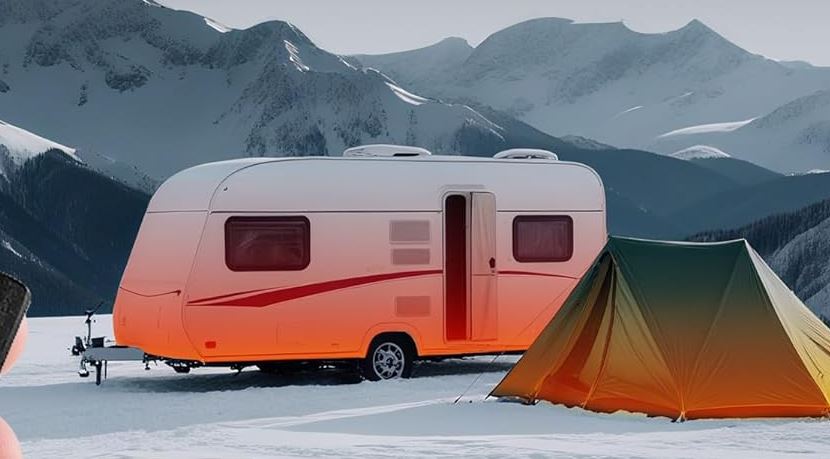
Diesel Heater Vs. Propane Heaters for Garages, RVs, and Shops

Disclosure: As an Amazon Associate, I earn from qualifying purchases. Learn more
A diesel heater is better for enclosed and long-hour heating, while a propane heater works best for fast heat in large, ventilated spaces.
Your choice depends on ventilation, fuel access, and how long you plan to run the heater.
When choosing between the LF Bros 5KW Diesel Heater and the Remington 60,000 BTU Propane Heater, most people hesitate for practical reasons. You may worry about indoor safety, fuel cost, noise, or whether the heater fits a garage, camper, or workshop. Some want quiet overnight warmth, while others need powerful heat for short work sessions.
This comparison focuses on fuel efficiency, ventilation requirements, and flexibility for real-world use. Both heaters solve different problems, and choosing the wrong one often leads to wasted fuel, poor airflow, or uncomfortable heat. Below is a clear breakdown to help you decide with confidence.
Diesel Heater vs Propane Heater Review & Recommendations
LF Bros 5KW Diesel Heater for Garage Camper and Shop Use
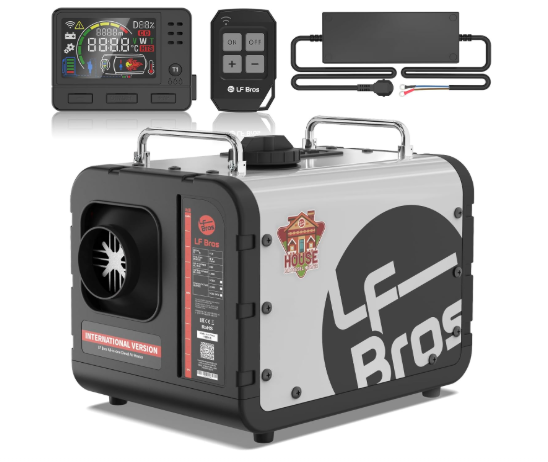
The LF Bros 5KW Diesel Heater is built for controlled indoor heating where stability matters. It’s all-in-one design includes a 5L fuel tank, LCD screen, and remote control for precise adjustments. It supports 110V, 12V, and 24V power, making it flexible for garages, campers, and workshops.
Real-world use shows consistent warmth without drying the air excessively. The sealed combustion system routes exhaust outside, reducing indoor air concerns during long sessions.
User Experiences
Many report quiet operation and reliable overnight warmth.
Special Feature
Integrated fuel efficiency control.
Key Benefits
- Low fuel consumption
- Stable heat output
- Multiple voltage support
Compatible With
- Garage spaces
- Camper vans
- Small workshops
Special Note
Requires proper exhaust routing during installation.
Remington 60,000 BTU Propane Heater for Large Open Spaces
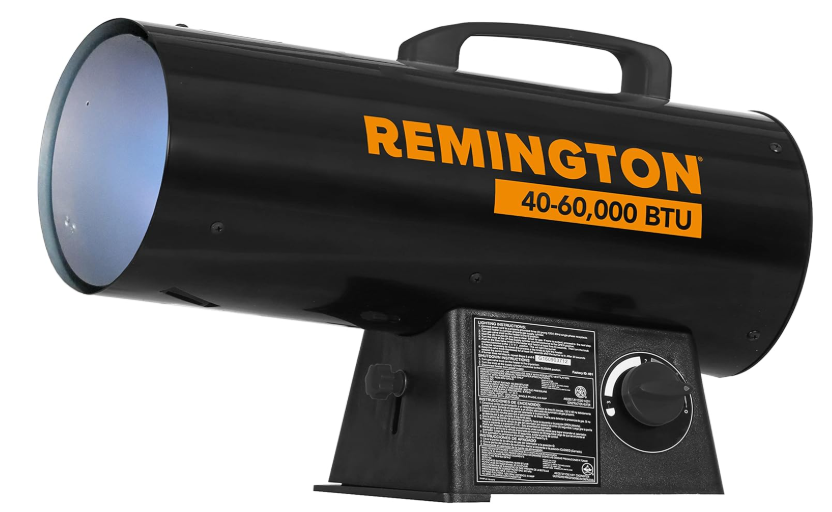
The Remington 60,000 BTU Propane Heater focuses on power delivery. Designed for garages, barns, and workshops, it provides adjustable heat output for rapid temperature increases. The forced-air system distributes warmth quickly across wide areas.
This heater performs best where airflow is constant. It is often used during projects where doors open frequently, and immediate warmth is needed.
User Experiences
Many highlight strong heat and quick warm-up.
Special Feature
High-output forced air design.
Key Benefits
- Fast heating
- Wide coverage
- Simple controls
Compatible With
- Barns
- Construction sites
- Open garages
Special Note
Not suitable for enclosed or overnight use.
Diesel Heater vs Propane Heater Core Differences
| Factor | LF Bros Diesel Heater | Remington Propane Heater |
|---|---|---|
| Heat Style | Steady, controlled airflow | High-output forced air |
| Best For | Enclosed spaces, long runtime | Large open areas |
| Venting | Exhaust routed outside | Requires constant airflow |
| Noise Level | Low to moderate | Loud |
| Runtime Efficiency | High | Moderate |
| Startup Speed | Gradual | Instant |
Diesel heaters are designed for controlled heat delivery, making them suitable for campers, garages, and shops where doors stay closed. Propane heaters push a high volume of hot air quickly, which works well in barns and construction zones but creates airflow demands.
Heating Performance in Garage and Shop Spaces
Diesel Heat Control
The LF Bros diesel unit delivers consistent warmth without temperature spikes. This matters in garages where tools, vehicles, or stored items are sensitive to moisture and sudden heat changes.
Propane Heat Output
The Remington propane heater excels at blasting heat across wide spaces. For workshops with frequent door openings, the high BTU output compensates for heat loss but increases fuel use.
For controlled environments, diesel heat feels balanced. For short tasks in cold, open areas, propane heat feels immediate.
Fuel Cost and Runtime Efficiency
| Aspect | Diesel Heater | Propane Heater |
|---|---|---|
| Fuel Consumption | Low per hour | High per hour |
| Refill Frequency | Infrequent | Frequent |
| Long-Run Cost | Lower | Higher |
| Storage Convenience | Built-in tank | External cylinder |
Diesel heaters stretch fuel over long sessions. Propane heaters consume faster, especially in cold climates where the pressure drops.
Camper and Mobile Heating Scenarios
For camper use, diesel heaters dominate because fuel systems remain sealed and exhaust exits externally. The LF Bros model integrates easily with 12V and 24V systems, making it reliable for overnight use.
Propane heaters are less camper-friendly due to ventilation needs and moisture output. While portable, they require constant airflow and monitoring, which limits overnight practicality.
If mobility and sleep comfort matter, diesel is the safer option.
Safety and Ventilation Requirements
- Diesel exhaust is routed outside the space
- Propane combustion occurs inside the airflow
- Diesel heat produces dry air
- Propane heat adds moisture
- Diesel is safer for enclosed use
- Propane requires open ventilation
Both systems demand setup discipline, but propane heaters depend heavily on airflow management.
Noise Levels and Comfort Experience
Noise matters more than expected. Diesel heaters like the LF Bros emit a steady hum similar to a fan, which blends into the background sound. This makes them suitable for garages attached to homes or overnight camper use.
Propane heaters use high-speed fans that create noticeable noise. In workshops, this is manageable, but in quiet settings, it becomes distracting.
Maintenance and Reliability Factors
Diesel Heater
Pros
- Long runtime
- Stable heat
- Better enclosed safety
Cons
- Slower warm-up
- Fuel quality matters
Propane Heater
Pros
- Instant heat
- Simple setup
Cons
- High fuel use
- Ventilation dependent
Which Heater Fits Your Use Case
Choose diesel if you need:
- Long sessions
- Enclosed heating
- Camper or garage use
Choose propane if you need:
- Rapid heat
- Large airflow
- Short work periods
Performance Over Long Operating Hours
Continuous Operation
Diesel heaters are engineered for extended runtime without overheating.
Short Bursts
Propane heaters thrive in stop-and-go environments.
Temperature Stability
Diesel maintains steady warmth; propane fluctuates with airflow and pressure.
FAQs
Which heater is safer for enclosed garage use?
Diesel heaters are generally safer for enclosed garages when installed correctly. The LF Bros diesel heater routes combustion gases outside, reducing indoor air concerns. Propane heaters release combustion inside the space and rely on airflow, making them less suitable for closed garages during long sessions.
Is diesel or propane better for a camper?
Diesel heaters are preferred for campers due to sealed combustion and fuel efficiency. The LF Bros unit supports vehicle power systems and allows overnight operation without constant ventilation management, unlike propane models.
Which heater costs less to run long term?
Diesel heaters typically cost less over extended use because fuel consumption is lower and more consistent. Propane heaters burn fuel faster, especially in cold conditions where pressure drops increase usage.
Can propane heaters be used indoors safely?
Propane heaters can be used indoors only in well-ventilated spaces and for short periods. Continuous use without airflow increases moisture and air quality risks.
Do diesel heaters require more maintenance?
Diesel heaters need clean fuel and occasional checks, but maintenance is predictable. Propane heaters are simpler but require frequent cylinder handling and airflow monitoring.
Practical Heating Decision Summary
Diesel heaters suit enclosed, long-hour heating with stable comfort and fuel efficiency. Propane heaters excel in open areas where fast heat matters more than runtime. Choosing based on space type and operating duration ensures safe, effective warmth without compromise.
Discover New Articles: See Our Latest Updates
