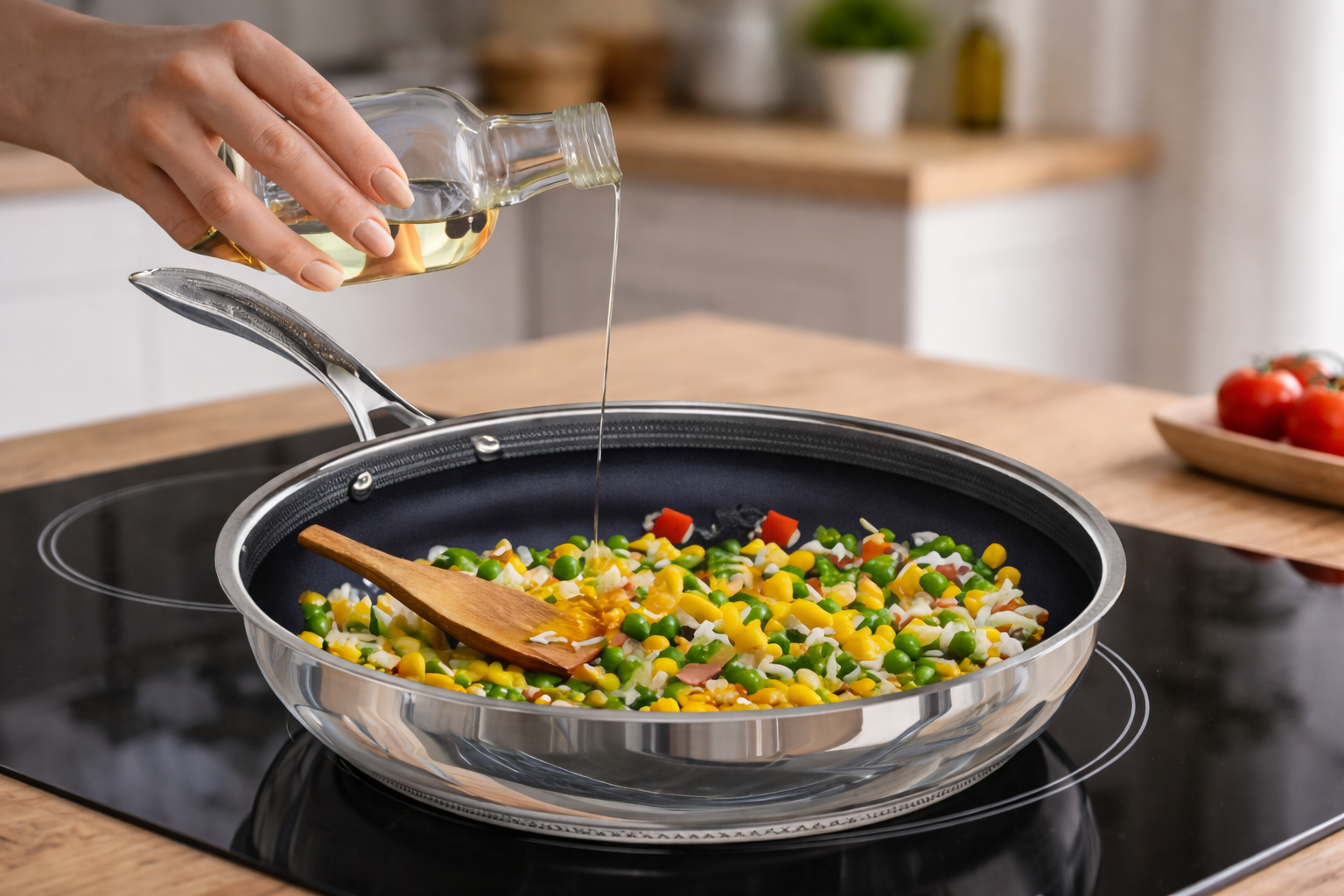
Are Ceramic Pans Safe to Cook With and Healthier Than Teflon?

Disclosure: As an Amazon Associate, I earn from qualifying purchases. Learn more
Yes, ceramic pans are generally safe to cook with when used at normal temperatures and kept in good condition. Most modern ceramic cookware is PFAS-free and considered non-toxic for everyday home use.
If you are comparing nonstick options, it is easy to feel unsure. Labels mention PFAS-free coatings, ceramic-coated aluminum, and dishwasher-safe claims. At the same time, you may worry about toxicity, scratched surfaces, or whether ceramic pans are safer than Teflon.
Many home cooks simply want cookware that feels safe, heats evenly, and does not release harmful substances. The confusion usually comes from marketing language and half-explained health concerns. Here is what actually matters for safety, performance, and long-term use.
What Are Ceramic Pans, and Are Ceramic Pans Safe to Cook With
Ceramic pans are typically metal pans, most often aluminum, covered with a silica-based ceramic nonstick coating. They are not made from solid ceramic like a baking dish. The ceramic layer creates a smooth cooking surface that reduces sticking.
So are ceramic pans safe to cook with? In normal kitchen conditions, yes. Modern ceramic coatings are usually PFAS-free and PTFE-free, which means they do not contain the synthetic fluorinated chemicals used in traditional nonstick coatings.
The coating is created by bonding inorganic minerals to the pan at high heat. Once cured, the surface is considered chemically stable and non-toxic at standard stovetop temperatures. Unlike overheated PTFE coatings, ceramic coatings are not known for releasing harmful fumes during regular cooking.
Safety mainly depends on use. Extremely high heat, aggressive scrubbing, or metal utensils can damage the coating. When that happens, the concern is usually reduced performance, not an immediate health risk.
In practical terms, ceramic pans are safe for everyday cooking when treated with reasonable care.
- You May Also Like: 8 Best Ceramic Non-Stick Pans Reviewed
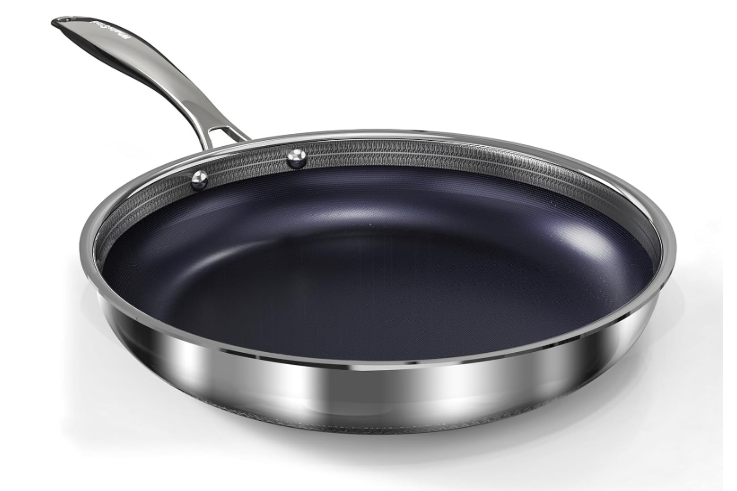
Hybrid Ceramic Nonstick Frying Pan for Safe Everyday Cooking
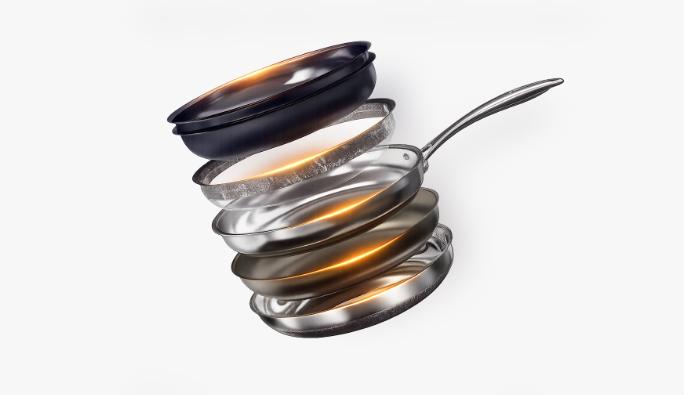
This 10 Inch Hybrid Ceramic Nonstick Frying Pan is designed for those asking are ceramic pans are safe to cook with and want modern performance without PFAS or PTFE. Built with 3 ply stainless steel construction and a 2-layer ceramic coating, it offers strong heat control, 9H surface hardness, and reliable corrosion resistance.
Compatible With: Induction, gas, electric, and ceramic cooktops. Dishwasher safe for easier cleanup.
Key Benefits: PFAS and PTFE-free coating, durable hybrid nonstick surface, stainless steel strength with fast, even heating, scratch-resistant design for longer lifespan.
10 Inch Hybrid Ceramic Nonstick Frying Pan is a smart choice for health focused home cooks seeking durable PFAS free performance → View on Amazon
Are Ceramic Pans Toxic or Bad for Your Health?
Concerns about ceramic cookware usually stem from misunderstandings. Let’s look at cause and effect.
Cause 1: Repeated Overheating
Effect: Coating breakdown over time
While ceramic coatings tolerate moderate heat well, constant high heat can weaken the surface. This affects nonstick ability, not typically your health.
Cause 2: Scratched or Chipped Surface
Effect: Exposure of base metal
When people ask if scratched ceramic cookware is safe, the fear is chemical exposure. In reality, ceramic coatings are generally inert. Small flakes are not considered toxic. The main issue becomes food sticking and uneven cooking.
Cause 3: Aluminum Core Concerns
Many wonder, are aluminum ceramic pans safe or is ceramic-coated aluminum safe? Aluminum is commonly used because it distributes heat evenly. The ceramic layer acts as a barrier between food and metal. If the coating remains intact, food does not directly contact aluminum.
Cause 4: Misleading Health Assumptions
Some assume ceramic pans are completely risk-free or that other nonstick pans are automatically dangerous. The truth is simpler. Ceramic cookware is generally regarded as safe, especially because it is free from PFAS and PTFE.
Are Ceramic Pans Safer Than Teflon?
| Feature | Ceramic Nonstick | Traditional PTFE Nonstick |
|---|---|---|
| Coating Material | Silica based inorganic coating | Synthetic fluoropolymer coating |
| PFAS and PTFE | Usually PFAS free and PTFE free | Contains PTFE |
| High Heat Reaction | Stable at normal cooking heat | Can release fumes if severely overheated |
| Nonstick Durability | May wear down sooner | Often lasts longer with proper care |
| Chemical Concerns | Marketed as non toxic and PFAS free | Marketed as non-toxic and PFAS-free |
Are ceramic pans safer than Teflon? From a chemical composition standpoint, many people prefer ceramic because it avoids PFAS and PTFE. However, both types are considered safe when used properly and not overheated.
Is Scratched Ceramic Cookware Safe?
Picture this: you notice thin scratches inside your pan after using a metal spatula. Now you are asking, is a scratched ceramic pan safe?
In most situations, yes, it remains safe if the scratches are light and the pan is not heavily flaking. Ceramic coatings are generally inert and non-toxic, so small amounts accidentally ingested are unlikely to cause harm.
The real change is performance. Food may begin to stick, and you might need more oil. If the damage exposes large areas of aluminum, especially with acidic foods, it may affect flavor and increase metal contact.
Can you scratch ceramic pans? Yes. They are not scratch proof. Using silicone or wooden utensils significantly reduces wear.
If the coating is deeply gouged or peeling extensively, replacing the pan is a practical decision for consistent cooking results rather than an emergency health issue.
- Recommended For You: 6 Best Ceramic Cooking Pots and Pans (Nonstick)
Are Ceramic Coated Aluminum Pans Safe?
Aluminum Base and Heat Performance
Aluminum is widely used because it heats quickly and evenly. This helps prevent hot spots and burning. Many ceramic pans are lightweight rather than heavy, which makes them easy to handle.
Protective Ceramic Barrier
The ceramic layer separates food from the aluminum core. As long as that barrier is intact, direct metal contact is minimal.
When Wear Becomes a Concern
If the coating deteriorates significantly, acidic foods like tomato sauce could interact with exposed aluminum. Occasional contact is not considered dangerous, but repeated exposure may affect taste and cooking quality.
How to Use Ceramic Pans Safely
Follow these practical steps to protect both safety and performance.
Step 1: Cook on Medium or Low Heat
High heat accelerates coating wear. Moderate temperatures preserve the surface.
Step 2: Use Gentle Utensils
Choose silicone, nylon, or wood. Avoid metal tools that can scratch the coating.
Step 3: Limit Dishwasher Use
Even if labeled dishwasher safe, hand washing helps extend coating life.
Step 4: Avoid Prolonged Empty Heating
Do not leave the pan heating without food for extended periods. This stresses the coating.
Step 5: Replace When Severely Worn
If the pan shows heavy flaking or deep exposure of the base metal, replacement is reasonable for better cooking results.
Common Mistakes That Make Ceramic Pans Seem Unsafe
Many safety fears come from preventable errors.
- Cooking on consistently high heat
- Using metal utensils
- Scrubbing with abrasive pads
- Stacking pans without protection
- Using aerosol sprays that leave residue buildup
- Ignoring visible coating wear
When ceramic pans lose their nonstick performance, it can feel like a safety issue. In most cases, it is simply coating fatigue from misuse.
With careful handling, ceramic pans remain one of the more straightforward nonstick options available.
Frequently Asked Questions
Are Ceramic Pans Non Stick and Do They Stay Non Stick?
Ceramic pans are non stick because of their smooth mineral-based coating. Over time, especially with high heat or dishwasher use, the surface may lose some slickness. Proper care extends performance, but ceramic coatings typically do not last as long as some PTFE-based alternatives.
Are Ceramic Pans Dishwasher Safe?
Many ceramic pans are labeled dishwasher safe. However, repeated exposure to strong detergents and high heat cycles can shorten the life of the coating. Hand washing with mild soap and a soft sponge is usually better for long-term durability.
Is Ceramic Cookware Safer Than Nonstick?
Ceramic cookware is a type of nonstick cookware. When people compare it to traditional nonstick, they usually mean PTFE-based coatings. Ceramic is often preferred because it is PFAS free. Both types are considered safe under correct cooking conditions.
Are Aluminum Ceramic Pans Safe?
Yes, aluminum ceramic pans are generally safe. The aluminum core improves heat distribution, while the ceramic coating acts as a barrier. Safety depends on maintaining that coating and avoiding deep scratches.
Is Scratched Ceramic Cookware Safe?
Light scratches are usually not a health concern because ceramic coatings are considered inert. The main issue is reduced nonstick performance. If the pan is heavily chipped or flaking, replacing it helps maintain consistent cooking and minimizes exposed metal contact.
Practical Safety Summary
Ceramic pans are generally safe to cook with when used at moderate heat and kept in good condition. Most modern versions are PFAS-free, non-toxic, and stable for everyday cooking.
Concerns about toxicity usually relate to overheating, deep scratches, or worn coatings rather than inherent danger. By avoiding high heat, skipping metal utensils, and replacing severely damaged pans, you can use ceramic cookware confidently and safely in your kitchen.
More Posts You May Like:
- Ceramic Vs. Stainless Steel Pots and Pans: Choose Your Best Fit
- Best 5-Quart Sauté Pan With Lid Review
Discover New Articles: See Our Latest Updates
