Yes, a Bertello Pizza Oven Is Safe, But Is It Right for You?

Disclosure: As an Amazon Associate, I earn from qualifying purchases. Learn more
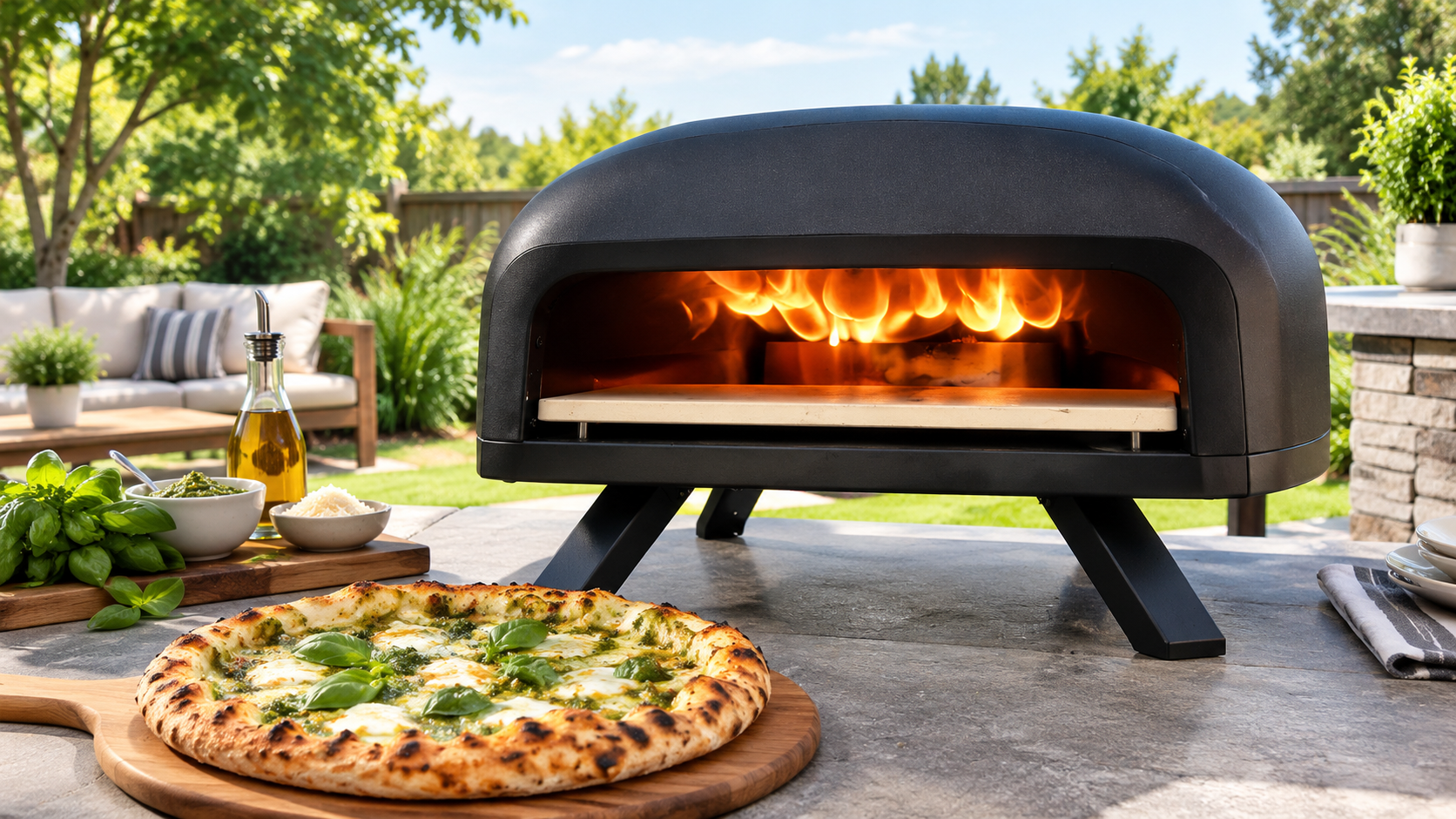
Yes, the Bertello pizza oven is a good choice for home use if you want fast, high-heat pizza and you are willing to learn its quirks. It heats quickly, but it asks for practice, steady attention, and a few extra tools.
Most disappointment comes from three things: heat that drops after each pizza, crusts that burn at the back, and a tight opening that makes turning awkward. If you expect a set-and-forget appliance, you may feel let down. If you enjoy hands-on cooking and small backyard gatherings, it can feel very rewarding.
This review walks through real-world heat, fuel choices, setup, cleaning, and long-term wear, so you can decide whether the oven fits your patio, your patience, and your pizza habits.
Does the Bertello Pizza Oven Actually Work Well at Home?
For most backyard cooks, yes. The oven is compact, has foldaway legs, and reaches pizzeria-style heat much faster than a kitchen oven. That speed is why a pizza night can go from lighting the oven to eating in under an hour.
Owners often describe the results as crisp, charred, and fun to make with family or friends. The cooking surface is small, so you make one pizza at a time rather than feeding a crowd in one go.
The common complaints are consistent too. Feedback commonly points to keeping the stone hot after the first pizza and to a learning curve with turning and timing.
Treat it as a hands-on outdoor cooker, not an appliance you switch on and walk away from. With that expectation, it works well.
How Hot Does the Bertello Pizza Oven Really Get?
The brand says the oven can reach 900°F when you use the gas burner, in under 20 minutes. Owners report preheat times from about 15 to 30 minutes, and cold, windy evenings push that longer.
Keep two numbers apart in your head. The air inside the oven can run far hotter than the stone surface, and the stone is what cooks the bottom of your crust.
Many owners wait until the stone reads around 700°F or higher before launching a pizza. One owner reports that anything much cooler risks the dough sticking right away. An infrared thermometer takes the guesswork out of that check.
The back of the oven is hotter than the front because the flame sits near the rear. That is normal for this design, and it is why rotation matters so much.
Wood alone can reach good heat, but it needs more tending than gas. If you want predictable temperatures, plan on the burner.
Which Fuel Works Best in a Bertello Pizza Oven?
The 12-inch oven is designed for wood, charcoal, pellets, and propane. Each fuel suits a different kind of cook.
Propane is the easiest. It heats fast, burns clean, and lets you adjust heat with a knob. Owners who value convenience often end up using gas most of the time.
Wood gives the strongest smoky flavor, but it is sooty and needs frequent refueling. Charcoal and pellets work too, though some owners say they struggle to hold high heat with those alone.
The combination setup is the one many owners praise. You preheat with gas, then add small hardwood pieces so flames roll over the pizza while the burner keeps the stone from cooling. Skip pine and other softwoods, which can leave a bad taste.
Use any fuel outdoors only, and keep it at least 10 feet away from any building. Never run the oven in a garage, on a covered porch, or inside a tent.
Can a Bertello Pizza Oven Run on Natural Gas?
Not the 12-inch model. Bertello’s own product FAQ says that model is designed to work with wood, charcoal, pellets, and propane only.
If you already have a natural gas line at your patio, that is a real limit worth knowing before you plan your setup. Converting the burner yourself is a bad idea, because gas fittings and pressure are safety-critical.
A standard propane tank with the matching hose and regulator is the intended route. If you want to know about any other burner option, ask Bertello directly before buying anything.
Keeping Bertello Oven Heat Steady Between Pizzas
The stone loses heat quickly once a pizza lands on it. The flame heats the stone mostly from above and behind, so it recovers slowly while the pizza is still in there.
The fix is patience and rhythm. Let the stone climb back up after each pizza instead of rushing the next one. Many owners add a small scoop of pellets or a chunk of wood after every pizza or two, and others simply turn the gas back up for a minute.
Overloading toppings makes the problem worse. A heavy pizza cools the stone more and can leave a cold center, so keep toppings light.
If you cook several pizzas in a row, check the stone temperature each time rather than trusting the clock.
Why Pizzas Burn at the Back of a Bertello Oven
The flame sits near the rear wall, so the back edge of your pizza gets the hardest heat. In a small oven, there is also very little room between the pizza and the flame.
The usual cure is frequent rotation. Owners commonly turn the pizza every 20 to 30 seconds, using a metal turner or a small peel.
One of our readers reported this exact problem: a burnt back edge on early pizzas, while the front stayed pale.
Slide the pizza in toward the front first, and keep it away from the burner area. One owner accidentally pushed a pizza onto the propane burner, so go slowly and never shove the pizza deep.
If the top chars before the base cooks, the stone is probably too cool. Wait longer before launching the next one.
Preheating a Bertello Oven for Your First Pizza
A repeatable routine saves you from the first-night mistakes. Follow it in this order:
- Set the oven on a stable, heat-safe surface outdoors, well away from buildings and anything flammable.
- Put the pizza stone inside before you light anything, so it heats with the oven.
- Run the gas burner on high. Bertello’s guidance is about 30 minutes, and some owners get there sooner in mild weather.
- Check the stone with an infrared thermometer and wait until it reads around 700°F or higher.
- If you want wood flavor, add a few small pieces of kindling at the back, then turn the gas to low.
- Dust the peel with cornmeal, launch the pizza in one motion, and rotate it every 20 to 30 seconds until done.
Cooking Surface Size and What Pizza Fits Inside
The cooking surface is about 12.5 inches wide and 13.5 inches deep. A 12-inch pizza is possible on paper, but reviewers describe it as very tight.
Most owners get easier results with pizzas around 10 to 11 inches. That leaves room to slide the pizza in, turn it, and take it out without touching the walls.
The oven weighs about 27 pounds on its own, and about 35 pounds with the gas burner attached. That is light enough to move, but not something you will carry around casually.
Will a Beginner Handle the Bertello Pizza Oven Easily?
It depends on what you call easy. Setup is quick, and some owners say they were making good pizza within a few tries. Others describe a steep learning curve and several frustrating early pizzas.
Several owners say the instructions are thin, which makes the first few cooks feel like guesswork. Gas is the friendliest fuel for a beginner because the heat is steady and easy to adjust.
Start with a simple dough and a light sauce. Make a couple of practice pizzas before you invite guests, so the turning and timing feel natural by party night.
If you have never used any high-heat oven, expect some burnt crusts. That is part of learning, not proof the oven is broken.
Bertello Oven Durability After Months of Real Backyard Use
Feedback on durability is mixed. Some owners call it sturdy and well-made. Others mention paint chipping, rust on the back plate, or slight warping of a handle bracket after repeated heat cycles.
Some owners also report a stone cracking during early use, while one says the company later moved to a thicker stone and more durable paint.
Fit can vary with accessories. One owner found the gas attachment sat loosely at first, and another found the cover no longer fits once the burner is installed.
Several owners say support was responsive and replaced parts, which is a real point in the brand’s favor. Even so, keep the oven covered or stored dry and expect some cosmetic wear over time.
Cleaning a Bertello Pizza Oven Without the Mess
Wait until the oven and stone have cooled completely before you touch anything. Then slide the stone out and brush off loose debris.
Gas use is the cleanest, with little soot. Wood and charcoal leave ash and soot, and some owners dislike how the tray has to be pulled out through the front opening.
Charcoal gives off carbon monoxide until it is fully out, so never store the oven indoors with live coals. Once everything is cold, dry the oven and store it covered.
Is the Bertello Pizza Oven Worth It for Occasional Cooks?
It can be, for the right person. If you want a portable oven for backyard pizza nights, camping, or the occasional gathering, the fast heat and multiple fuel options give you a lot of flexibility.
You will get more from it if you enjoy the process. A peel, a thermometer, and the gas burner all matter, so think about the full setup rather than the oven alone.
It is a weaker fit if you want hands-off cooking, large batches, or a very forgiving oven. The small opening and the need to rotate constantly can wear on you.
If you are unsure, ask yourself one question: do you enjoy tending a fire for a great pizza? If so, this oven is worth a serious look.
Making the Call on a Bertello Oven
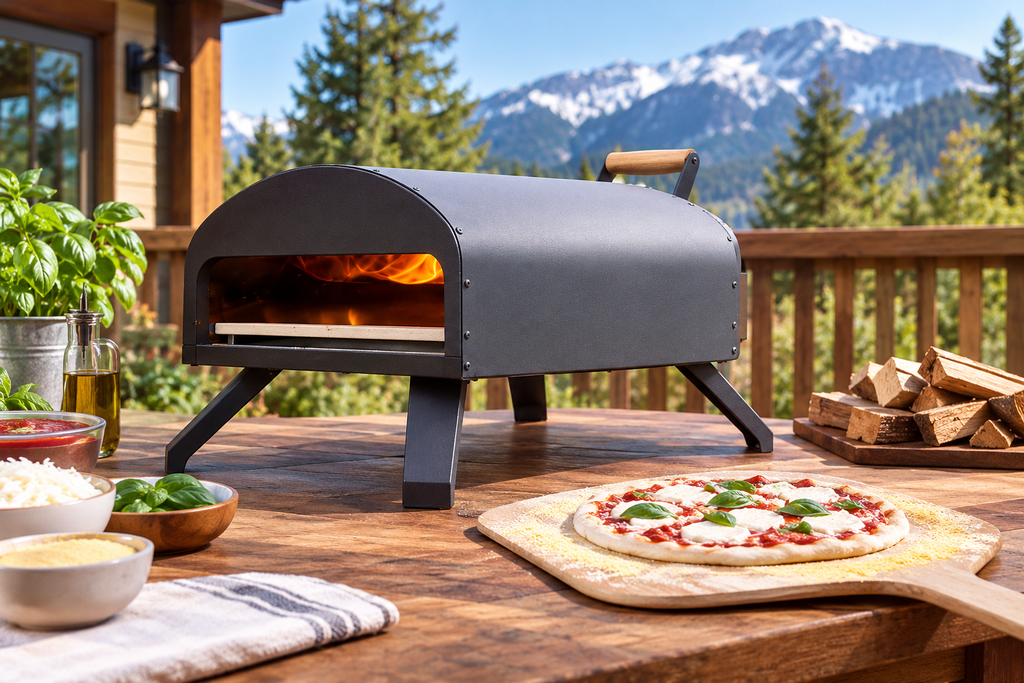
Skip it if you want a hands-off cooker or a natural gas hookup. Choose it if you like hands-on cooking, small batches, and a portable setup. With gas, a thermometer, and some practice, it makes very good pizza.
Discover New Articles: See Our Latest Updates
