Best Copper Kettles – Top 4 Picks Reviewed

Disclosure: As an Amazon Associate, I earn from qualifying purchases. Learn more
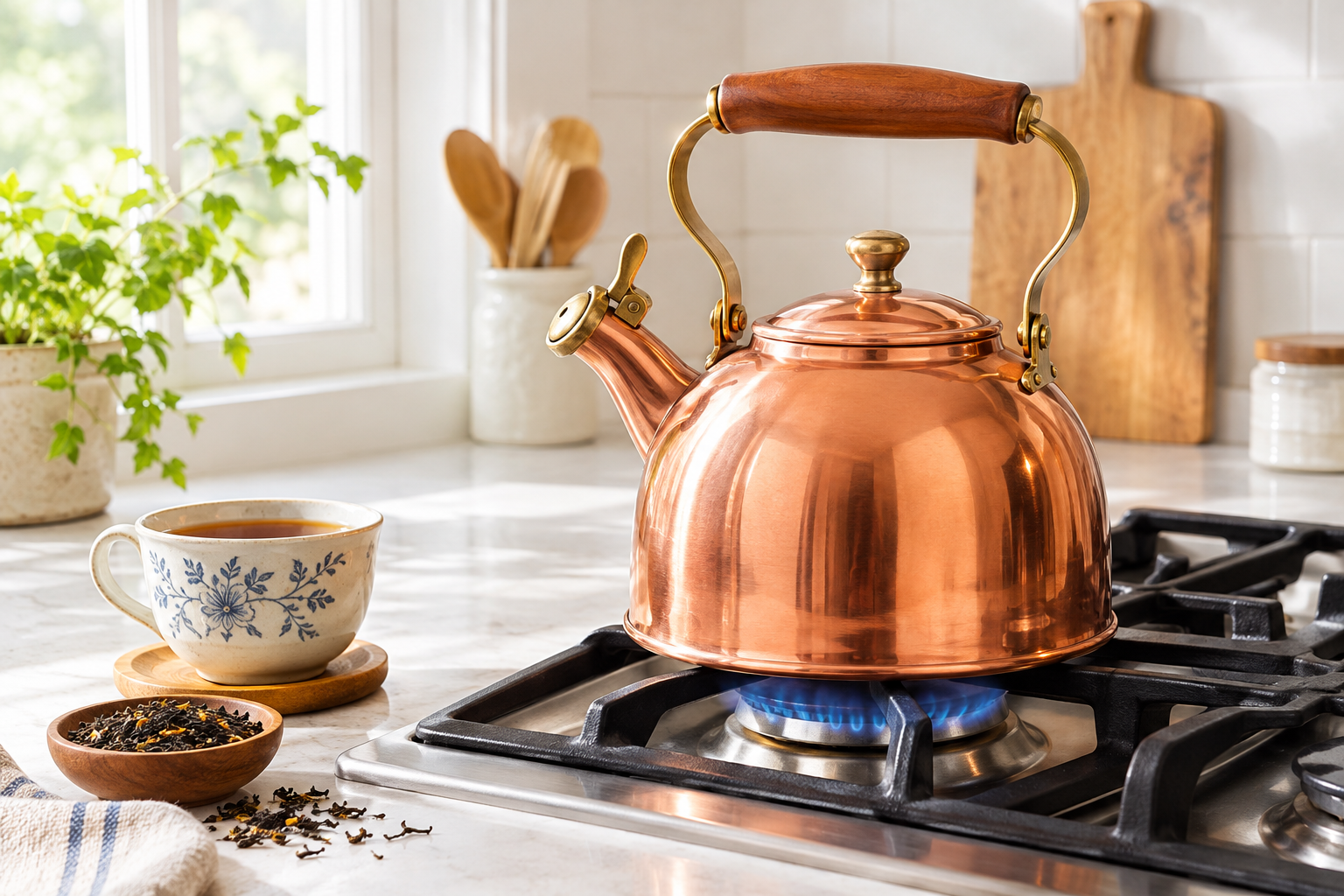
A copper kettle catches the morning light long before the water starts to hum. But picking the best copper kettle is harder than it looks, because pretty metal can hide thin walls, a weak whistle, or a handle that runs hot. You also have to think about induction compatibility, interior lining, and capacity before anything lands on your stove.
If you brew for a crowd, the wloadry Copper Whistling Kettle is the first pick here, while the YJX Pure Copper Teapot suits smaller loose leaf sessions on non-induction stovetops.
The Bomabaolo and Owlorize kettles round out the list with a gooseneck spout and a whistle lid. Read the safety section first, since unlined copper has real limits, then use the checks below to match a kettle to your stove and routine.
Look at the wloadry for big batches on most stovetops, or the YJX teapot if you want unlined copper and a loose leaf infuser.
Our Choice
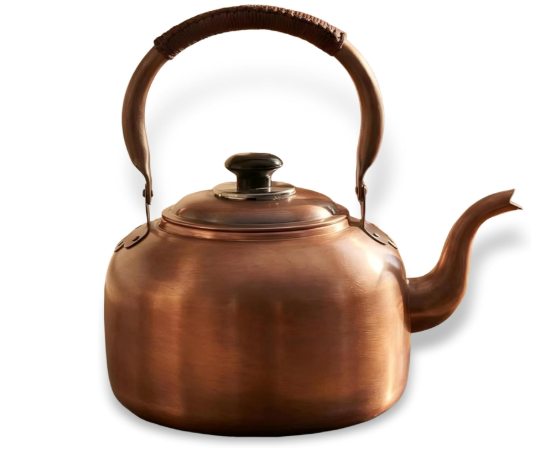
wloadry Copper Whistling Kettle
- Solid copper, steel-encapsulated base
- Induction, gas, and electric ready
- Built-in whistle alert
Smart Pick
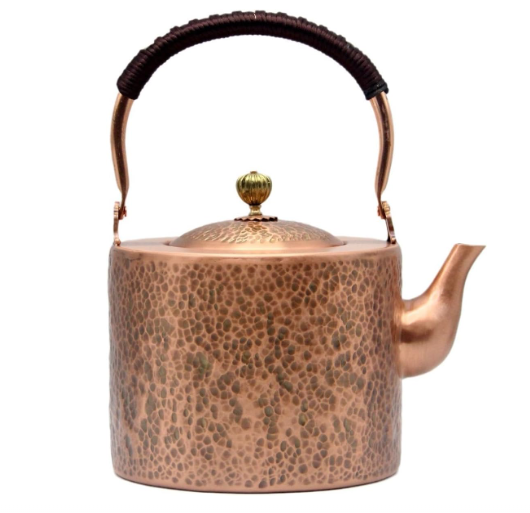
YJX Pure Copper Teapot
- Pure copper, uncoated interior
- Stainless infuser and tea ball
- Serves four to six cups
Are Copper Kettles Safe For Everyday Tea Water?
Short answer: yes for plain water, with limits. Boiling and pouring plain water in a copper kettle is a long-standing kitchen habit, and trouble starts when the metal meets acid, heat, and time.
Acid is the main trigger. The US food code copper rule adopted by some states says copper should not touch food with a pH below 6, such as vinegar, fruit juice, or wine. That is why citrus teas, fruit blends, and lemon water belong in a lined or stainless pot rather than an unlined copper kettle.
Copper is also a mineral your body needs, but too much can cause harm. The NIH explains that daily upper limits for copper count intake from food, drinks, and supplements together, so treat a kettle as one small source among many.
A few habits keep things on the safe side. Boil, pour, and empty the kettle instead of storing water in it, dry it after use, and keep acidic liquids away from any unlined interior. Several kettles in this guide are described as bare copper inside, so these habits apply to them.
If you also cook with copper, our guide to copper pan safety covers the same acidity limits in more detail.
How To Choose The Best Copper Kettle For Your Stove
Interior Lining And Copper Purity
Start with the inside. An unlined copper interior suits plain water and tea, while a tin or stainless lining is the safer pick if you plan to heat acidic liquids. A listing that says solid copper can still pair a copper body with a steel base, so read the material line twice.
Thickness shapes the feel and dent resistance. The wloadry and Owlorize listings mention 1.8mm copper walls, which usually feel heavier and sturdier than thin sheet kettles.
Stove Compatibility And Base Design
Copper alone is not magnetic, so an induction cooktop needs a magnetic or steel base to heat the kettle. The wloadry, Bomabaolo, and Owlorize listings mention induction-ready bases, while the YJX teapot is a gas and open-flame piece. A flat, wide base also sits steadier and heats more evenly.
Capacity, Handle, And Spout Details
Match size to your routine. 3.2 quarts covers roughly ten cups for a group, while the 2000ml YJX teapot serves about four to six. A wrapped handle helps with lifting, though some owners say it still warms up, and a gooseneck or non-drip spout gives cleaner pouring.
Our Stovetop Copper Kettle Picks For Different Households
1. wloadry Copper Whistling Kettle For Big Batches Of Tea
The 1.8mm solid copper body and stainless steel encapsulated base give this 3.2 quart kettle a sturdy, even-heating build designed for induction, gas, and electric stovetops. A wide-mouth lid makes refilling and rinsing easier.
A built-in whistle signals the boil, and the rope-wrapped arched handle is meant for steadier pouring. It is a strong candidate if you want the best copper kettle for boiling water in big batches for tea or a family brunch.
Real-World Impressions: Feedback often praises build quality, quick heating, and capacity. Some owners note the whistle or handle warmth varies. A few raise handle durability.
Standout Details: Solid copper body, steel-encapsulated base, automatic whistle with a water-level mark, and a wide-mouth lid.
Main Advantages
- Heats water quickly on induction, gas, or electric stoves
- Large capacity suits families and hosting
- Wide-mouth lid simplifies rinsing and refilling
- Whistle alerts you when water boils
Works Well On
- Induction cooktops
- Gas burners
- Electric stovetops
- Ceramic and halogen stovetops
Good To Know: Fill above the minimum mark so the whistle activates. The interior is unlined copper, so avoid acidic liquids, and skip it if handle durability matters most.
2. YJX Pure Copper Teapot For Loose Leaf Tea
If you brew loose leaf tea for four to six cups on a gas stove, this pure copper teapot keeps things simple. The uncoated interior and hammered pattern give it a traditional look.
It comes with a stainless steel infuser, a stainless tea ball, a lid holder, and a tea towel. Copper alone does not work on induction cooktops, which makes this a stovetop and open-flame choice.
Real-World Impressions: Feedback often highlights its looks, easy cleaning, and quick boiling. Some find it small, and the fixed handle can feel awkward when filling.
Standout Details: Hammered pure copper body with an uncoated interior, plus stainless steel infuser, tea ball, and lid holder included.
Main Advantages
- Uncoated copper interior suits plain water and tea
- Infuser and tea ball handle loose leaf
- Lid holder helps keep fingers clear of heat
- Serves roughly four to six cups
Works Well On
- Gas stovetops
- Outdoor campfire stoves
- Loose leaf tea brewing
Good To Know: Not for induction cooktops. Fill no higher than about 70 percent to avoid boil-over, and wipe it dry after use rather than scrubbing with sponges or detergent.
3. Bomabaolo Copper Tea Kettle With Gooseneck Spout For Induction
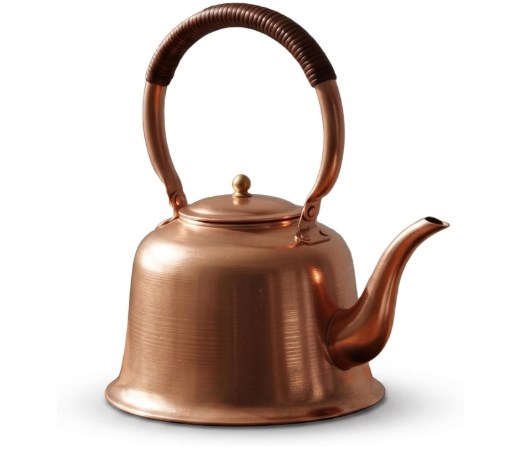
Picture a pour-over morning followed by a pot of herbal tea for the table. The gooseneck spout is shaped for a steady, drip-free stream, and this 3.2 quart solid copper kettle brings hot water for several mugs in one boil.
A magnetic composite base about 7.9 inches wide lets it work on induction, gas, and electric flat stoves, while the wrapped grip handle is meant to stay comfortable when lifting. No whistle is listed, so keep an eye on the water.
Real-World Impressions: Practical impressions center on neat pouring, a wrapped handle that eases lifting, and holiday-gathering capacity. Expect some warmth near the base.
Standout Details: Gooseneck drip-free spout, magnetic composite base, brass-accented lid finial, and a rope-wrapped handle on a rustic solid copper body.
Main Advantages
- Gooseneck spout supports controlled, drip-free pouring
- Fits pour-over and French press routines
- Generous capacity covers several mugs per boil
- Rustic copper finish suits farmhouse kitchens
Works Well On
- Induction cooktops
- Gas burners
- Electric flat stoves
- Pour-over and French press setups
Good To Know: No whistle is listed, so watch the water level. Interior lining is not stated, so keep acidic drinks out.
4. Owlorize Copper Whistling Kettle For Vintage Kitchens
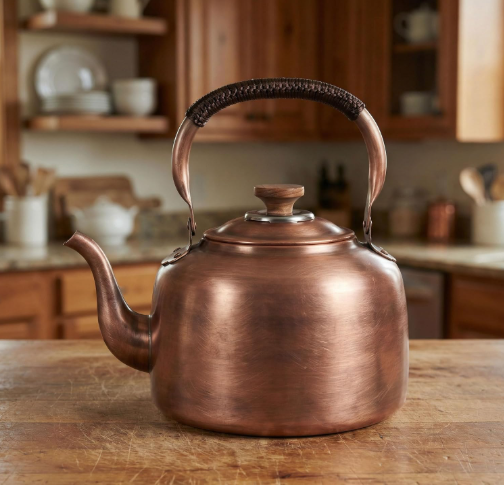
Quick boiling and a vintage look are the main draws here. The kettle is described as 1.8mm solid copper with a stainless steel bottom, a removable tight lid, and a non-drip spout, and it is designed for induction, gas, and electric stoves.
The lid is built to release a whistle at the boil, and the heat-resistant contoured handle adds comfort when lifting or filling. It holds around ten cups, which suits gatherings of five to seven people.
Real-World Impressions: Feedback often praises build quality and a well-made feel. The whistle gets mixed reports, with several owners saying it does not sound.
Standout Details: Solid copper body with a polished interior, stainless steel base, removable lid with whistle, and a non-drip spout.
Main Advantages
- Quick boiling for tea or coffee batches
- Wide base steadies it on stovetops
- Removable lid simplifies filling and cleaning
- Vintage styling suits classic kitchens
Works Well On
- Induction stoves
- Gas stoves
- Electric stoves
- Gatherings of five to seven people
Good To Know: Use a small or medium flame to limit discoloration. The whistle may not work for everyone, and the copper interior suits plain water best.
Answer Yourself Before Buying A Copper Tea Kettle
Answer these three checks and the right kettle usually becomes clear.
Question 1, which stove do you use? Induction points to the wloadry, Bomabaolo, or Owlorize. Gas fits every kettle here, and the YJX teapot also suits open-flame stoves.
Question 2, how many cups do you pour? A group of five or more suits the 3.2 quart wloadry, Bomabaolo, or Owlorize. Up to six cups suits the YJX teapot.
Question 3, what goes in the water? Plain water and simple teas work in unlined copper. Citrus or fruit blends call for a different pot.
Your result: If your answers point in different directions, rank stove fit first, then capacity, then whether you want a whistle.
Does A Copper Kettle Boil Water Faster On Stovetops?
Copper conducts heat far better than stainless steel, so the metal itself is an advantage when you want water hot quickly. That is the main reason copper cookware has such a following among cooks.
In a kettle, though, the base design, wall thickness, burner size, and water volume decide the real boil time. Kettles such as the wloadry pair copper walls with a steel-encapsulated base, which trades a little conductivity for induction compatibility.
Expect a modest advantage rather than a dramatic one, and judge speed by how the kettle behaves on your own burner. A 3.2 quart kettle filled to the line will always take longer than one filled halfway.
Whistling Or Silent Copper Kettles, Which Suits Your Kitchen?
Of the four kettles here, the wloadry and Owlorize have a whistle lid, while the YJX teapot and Bomabaolo kettle list none. A whistle is handy if you wander off while the water heats.
Whistles need the right conditions. Makers say the water level must sit above the minimum mark for the alert to activate, and feedback shows the whistle is the most common point of mixed opinion.
One of our readers reported this exact whistle problem, so it is worth testing yours as soon as it arrives.
If you cook on a smooth top, see our guide to glass top stove kettles before you decide, and treat a silent kettle as a reason to watch the stove rather than walk away.
Cleaning Tips That Keep A Copper Kettle Looking Good
Step 1: Let the kettle cool completely before you touch a cloth to it.
Step 2: Wash with warm water and a soft cloth, adding mild soap only if the maker allows it.
Step 3: Skip steel wool, abrasive pads, and stiff brushes, which scratch the finish.
Step 4: Rinse well and dry right away with a soft towel, including the spout and lid seam.
Step 5: Polish the outside only if you want a brighter look, using a copper cleaner or cleaning kit made for kitchenware, then rinse and dry again.
Step 6: Handle scale inside by following the maker’s descaling guidance instead of improvising.
Common Mistakes That Shorten A Copper Kettle’s Lifespan
- Boiling the kettle dry. This stresses the base and seams, especially on models without a whistle.
- Heating acidic liquids in unlined copper. Vinegar, juice, and citrus blends do not belong there.
- Scrubbing with abrasive pads. Scratches dull the finish and are hard to reverse.
- Running the burner on high. Owlorize advises a small or medium flame to limit discoloration.
- Overfilling. YJX suggests staying under about 70 percent of capacity to avoid boil-over.
- Ignoring stove compatibility. A copper-only teapot will not heat on an induction cooktop.
Copper Versus Stainless Steel And Glass Tea Kettles
Copper wins on looks and heat response, but it asks for more care. Stainless steel kettles shrug off scratches and most cleaners, and they stay shiny without polish.
Glass lets you watch the water and keeps flavors neutral, though it needs gentler handling. Copper handles stovetop heat well but darkens over time, which some owners like and others do not.
Safety also differs. Stainless and glass tolerate acidic drinks, while unlined copper does not, so the drinks you make most often should steer the material choice.
If you want to carry the copper look through the rest of your kitchen, browse these copper cookware options too.
Other Uses For A Copper Kettle Beyond Tea
A copper kettle is useful well beyond tea. Hot water for pour-over coffee, French press, instant oatmeal, or cocoa all work, and a gooseneck spout like the Bomabaolo’s gives better control for pour-over.
A kettle can also act as a simple simmer pot for cinnamon sticks and cloves to scent a room in winter. Keep citrus peels and other acidic ingredients out of unlined copper, as acid and bare copper do not mix.
Outdoors, a sturdy base helps on camp burners, and the YJX teapot’s description mentions campfire stoves. Empty it and dry it afterward so the finish keeps its color.
Limits And Trade-Offs Of Owning A Copper Kettle
Every copper kettle trades convenience for character. Patina arrives with use, and polishing is optional but recurring if you want the bright look.
Weight is the next trade-off. A full 3.2 quart kettle is heavy to lift one-handed, and the Owlorize alone is listed at around 3.3 pounds empty.
Whistle and handle reliability are the most reported pain points in feedback, from silent lids to handles that warm up or wear. Inspect both when the kettle arrives.
Stove limits also apply, since copper-only kettles do not heat on induction and unlined interiors are not meant for acidic drinks.
To weigh these trade-offs against copper in other pieces, read our copper cookware pros and cons breakdown.
Who Should Skip A Solid Copper Kettle Altogether
Skip unlined copper if you routinely heat citrus tea, fruit drinks, or anything acidic. A stainless or lined kettle serves those habits better.
Skip it too if a healthcare provider has told you to limit copper intake, or if you want a dishwasher-friendly, low-upkeep kettle.
Households that want automatic shut-off or precise temperatures usually do better with an electric kettle, since a stovetop copper kettle gives you only a whistle and your own attention.
Matching Copper Kettle Size To Your Tea Routine
Picture a small Sunday brunch with six cups of tea on the table. A 3.2 quart kettle handles that in one boil, which is where the wloadry, Bomabaolo, and Owlorize fit.
Now picture a quiet evening with one or two cups. A 2000ml teapot like the YJX is easier to lift and quicker to refill.
Oversizing has a cost. Boiling a single cup in a large kettle wastes burner time and, with a whistle model, can leave the water under the minimum mark.
Pick the size you use on a normal day, not the one you use twice a year, and let occasional hosting be the exception.
Still Have Questions About Choosing A Copper Kettle?
Is A Solid Copper Tea Kettle Dishwasher Safe?
Hand washing is the safer habit. Dishwasher detergent and long heat cycles can dull, spot, or darken copper, and a rope-wrapped handle or steel base may not tolerate the cycle either. The YJX instructions even advise against sponges and detergent, so a soft damp cloth followed by thorough drying is the usual routine. If a maker lists a kettle as dishwasher safe, follow that label, but expect the finish to age faster than it would with gentle hand care.
Can A Stove Top Copper Kettle Sit On Glass Cooktops?
Check the base first. A smooth, flat base sits properly on a glass top, and lifting the kettle instead of sliding it helps avoid scratches. Copper residue can mark some cooktops, so wipe the burner area once it cools. Match the base to the burner size when you can. On induction glass tops, only kettles with a magnetic base, such as the wloadry and Bomabaolo, will heat at all.
What Fill Level Suits A Whistling Copper Tea Kettle?
Leave headroom. A kettle filled to the brim can spit boiling water through the spout and may overflow, which is why the YJX instructions suggest staying under about 70 percent of capacity. A whistle kettle also needs enough water to trigger, so aim between the minimum mark and a comfortable level below the lid line. Fill only what you plan to pour, since extra water simply sits in copper longer.
Why Does A Copper Kettle Turn Dark Or Spotty?
Darkening is oxidation, a normal change as copper reacts with air, moisture, and heat. A burner on high can speed up discoloration, which is why Owlorize advises a small or medium flame. Water spots and fingerprints show quickly on brushed or hammered finishes. If you prefer a bright look, a copper cleaner made for kitchenware can restore shine on the exterior, but keep polish away from the inside and rinse thoroughly. Some owners simply enjoy the patina.
Which Copper Kettle Brands Deserve A Closer Look?
No single brand ranking fits every kitchen, so compare details instead. Look for clear statements about material, interior lining, base construction, and stove compatibility, plus care instructions you can follow. The wloadry, YJX, Bomabaolo, and Owlorize listings each stress different strengths, from capacity to loose leaf accessories. Be cautious when a listing is vague about handle material or whistle behavior, and favor kettles whose descriptions stay consistent from title to specifications.
Do Copper Kettle Reviews Reveal Real Problems?
They can, if you read for patterns. Repeated mentions of a silent whistle, a warm handle, rough edges, or a leaking seam matter more than one dramatic comment. Check that comments describe the same size and model, since listings sometimes group several products together. Notes about metallic taste or discoloration are worth cross-checking against the lining and the liquids used. Skip comments about shipping or gift packaging when judging how a kettle performs on your stove.
Picking Your Copper Kettle With Confidence
If you need volume on an induction stove, the wloadry or Bomabaolo fits best, while the YJX teapot suits loose leaf sessions on gas and open flames. The Owlorize appeals if you want a vintage look with a whistle lid, though the whistle is the feature to test first. Whichever you choose, keep it for plain water, empty it after use, and treat unlined copper as unsuitable for acidic drinks. Decision rule: match the stove first, the cup count second, and the whistle last.
