Are Silicone Muffin Pans Safe? A Clear Guide to Materials and Use
Disclosure: As an Amazon Associate, I earn from qualifying purchases. Learn more
Yes, food-grade silicone muffin pans are safe for baking when used correctly. Their safety hinges on material quality and proper handling.
You’re holding a colorful, flexible pan and wondering: Is this oven-safe? Concerns about chemical leaching or batter spills are common. As you consider easy cleanup, two questions remain: potential hidden toxins and correct handling techniques. Let’s examine the facts.
What Is Food-Grade Silicone? A Material Explanation
Food-grade silicone is a synthetic rubber made from silica (sand). It is not plastic. Look for “platinum-cured silicone” on labels. This means the material meets strict food-contact standards. It is inert, so it doesn’t react with food or produce fumes under normal baking temperatures.
Its flexibility comes from its polymer structure, not added plasticizers. Think of it as a durable, heat-resistant rubber made for your kitchen.
- Related Articles You May Like: 5 Best Silicone Muffin Pans, Expert Tested
Is There a Toxicity Risk with Silicone Bakeware?
The risk is low with quality products. Worry stems from distrust of synthetic materials. If unsafe, chemicals could migrate into food when heated.
True safety comes from properly manufactured, food-grade silicone. It is chemically stable and inert. The FDA evaluates it for safety.
Real risk comes from impure or counterfeit products using fillers. These may cause odors or discoloration. Toxicity links to product quality, not silicone itself.
Silicone Muffin Pan Review & Recommendation
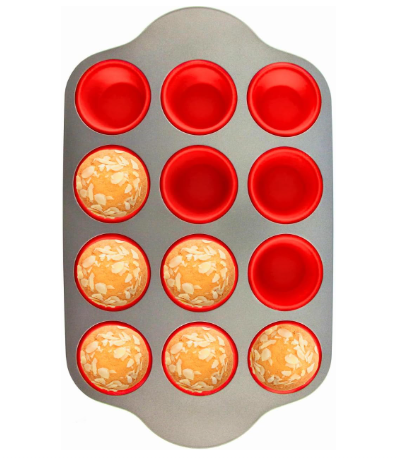
For bakers seeking a pan that directly addresses common safety and performance concerns, the Boxiki Kitchen Non-Stick 12 Cup Silicone Muffin Pan with Steel Frame is a noteworthy option. Its integrated steel frame provides crucial structural support, solving the classic floppiness issue and ensuring even baking without a separate sheet pan. The BPA-free, non-toxic silicone construction aligns with the essential criteria for food-grade safety, while the anti-warp design promises durability. This combination of stability and safety makes it a practical choice for achieving consistent, easy-to-pop muffins with every use.
Boxiki Kitchen’s steel-frame pan solves the core stability issue → View on Amazon
Silicone vs. Metal Muffin Pans: A Practical Performance Comparison
| Feature | Silicone Muffin Pan | Metal Muffin Pan |
|---|---|---|
| Heat Conduction | Poor. Heats slowly. | Excellent. Browns well. |
| Non-Stick Performance | Excellent with correct use. | Varies; coatings wear. |
| Durability | Flexible, can tear. | Dents, can warp. |
| Ease of Use | Needs a baking sheet. | Stable alone. |
| Cleanup | Often dishwasher safe. | Hand-wash often best. |
| Storage | Flexible for stacking. | Rigid, needs space. |
Common Mistakes That Make Using a Silicone Muffin Pan Frustrating
Avoid these errors. First, not using a baking sheet. This causes spills.
Second, incorrect greasing. Too little can stick; too much leaves residue. Use a light brush of oil.
Third, removing muffins too soon. Let them cool for 10-15 minutes.
Finally, use sharp utensils. They can slice the silicone.
How to Use a Silicone Muffin Pan: A Step-by-Step Guide for Best Results
Step 1: Initial Wash. Wash before first use.
Step 2: Use Support. Place the pan on a baking sheet before preheating.
Step 3: Light Greasing. Brush cups with oil.
Step 4: Fill and Bake. Fill cups ⅔ full. Bake on the sheet.
Step 5: Cool Completely. Cool in the pan for 10 minutes before removal.
Do You Need to Grease Silicone Muffin Pans? Solving the Stickiness Puzzle
It depends. For high-fat batters, you might skip it. For low-fat recipes or those with sticky add-ins like chocolate chips, light greasing is essential.
An older pan may also need it. The best practice is a very light coating every time. It guarantees easy release.
Care and Cleaning: Are Silicone Muffin Pans Dishwasher Safe?
Most are dishwasher safe, but hand-washing is gentler. Let the pan cool completely first. If using the dishwasher, place it on the top rack. Use mild detergent. Strong detergents can make silicone sticky over time. Air dry thoroughly before storing flat.
How to Choose a Safe and High-Quality Silicone Muffin Pan
- “Food-Grade” or “Platinum-Cured” Label
- FDA Compliance Statement
- Substantial, Rigid Feel
- Reinforced Rims
- Clear Oven Safety Temperature Range
- Reviews Mentioning No Odor
- Lighter Colors (less dye)
FAQs
Can Silicone Muffin Pans Go in the Freezer?
Yes. They are excellent for freezing. Place the pan flat so it doesn’t bend.
Why Did My Muffins Stick?
Likely from insufficient greasing, removing too early, or a low-quality pan. Always cool first.
What Is That Chemical Smell?
A strong odor may mean impurities. Try baking it empty. If the smell remains, do not use it.
How Long Do They Last?
Several years with care. Replace if cut, sticky, warped, or cracked.
Are Silicone Liners Better Than Paper?
Silicone liners are reusable and non-stick. Paper is disposable and decorative. Choose based on your needs.
Final Insights
Safety requires a verified food-grade pan. Success requires method: always use a baking sheet, lightly grease it, and allow proper cooling. Hand-wash for longevity. With the right pan and technique, silicone offers easy release and simple cleanup.
Discover New Articles: See Our Latest Updates
