5 Best Round Cake Pans & Buying Guide

Disclosure: As an Amazon Associate, I earn from qualifying purchases. Learn more
The best round cake pan supports even heat flow, clean release, and consistent shape for reliable baking results. Quality materials like aluminized steel or natural aluminum help prevent hot spots and warped edges. Sizes such as small round cake pan options suit test batches, while a large round cake pan handles celebration bakes.
- Best Choice: Caraway Circle Pan
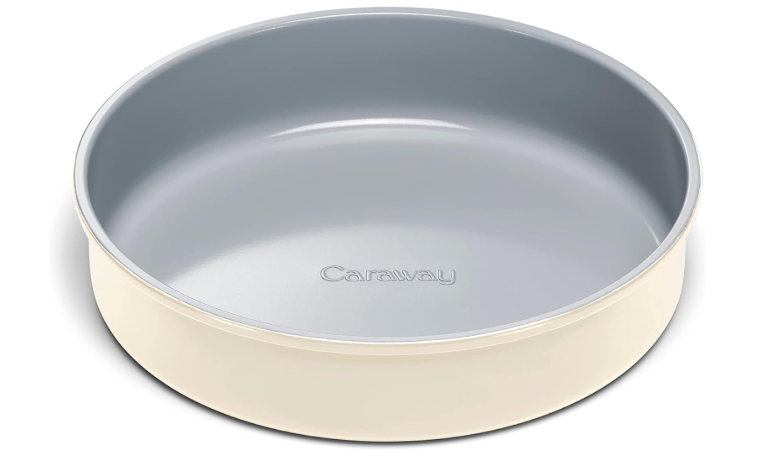
Home kitchens often rely on best 8 inch round cake pans or best 9 inch round cake pans for balanced layers. Smooth interiors also aid the best way to slice a round cake and the best way to cut a 9 inch round layer cake with tidy portions. Professional builds appear in best round cake pans for baking and best professional cake pans lists, while disposable round cake pan choices fit temporary needs.
AFTER EXTENSIVE COMPARATIVE TESTING AND BAKER FEEDBACK, SOME OF THE BEST ROUND CAKE PAN OPTIONS ARE LISTED BELOW
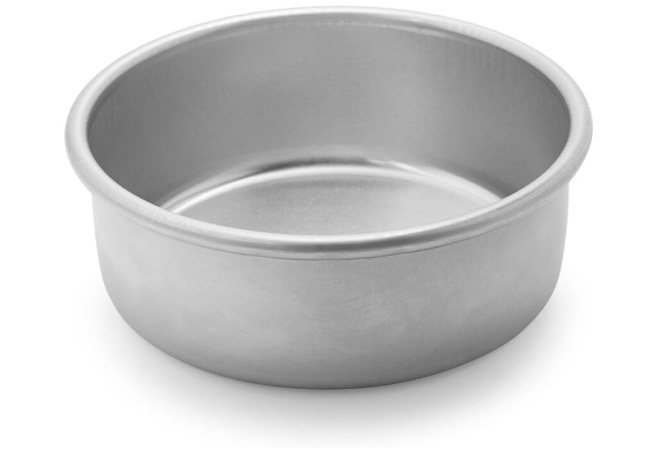
1. Nordic Ware Naturals 6-Inch Aluminum Round Cake Pan – Compact Precision Baking
This small round cake pan from Nordic Ware is crafted from natural aluminum, a material trusted for even heat distribution and consistent browning. Its 6-inch size is ideal for controlled portions, test batches, or creating elegant mini layer cakes without wasting batter. The lightweight yet sturdy build resists warping under high oven temperatures, helping cakes rise evenly from center to edge. Many home bakers consider this size a smart choice for mastering techniques like the best way to slice a round cake cleanly and evenly.
The uncoated surface promotes reliable baking results and supports proper airflow, which is especially useful for dense chocolate or sponge recipes. This pan also works well for specialty desserts, making it a favorite among those looking for the best professional cake pans in smaller sizes. Its simple design focuses on function, durability, and long-term performance rather than flashy coatings.
Special Feature
- Natural aluminum construction for uniform heat transfer
Key Benefits
- Even browning
- Compact size
- Warp-resistant build
- Long-lasting durability
Compatible For
- Mini layered cakes
- Test bakes
- Small celebrations
Special Note
Hand washing recommended; natural aluminum may discolor over time without affecting performance.
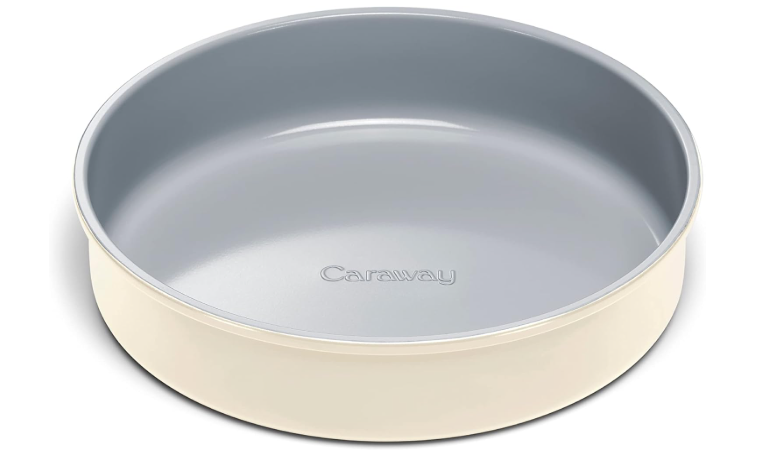
2. Caraway 9-Inch Ceramic-Coated Round Cake Pan – Clean Baking with Style
Caraway’s 9-inch pan stands out for its non-stick ceramic coating, designed to be free from forever chemicals while maintaining smooth cake release. This size fits perfectly into kitchens searching for the best 9 inch round cake pans for birthdays, celebrations, and layered desserts. Cakes release cleanly, making frosting and decorating noticeably easier and improving the best way to cut a 9 inch round layer cake with sharp, neat slices.
Beyond performance, the pan’s sleek cream finish adds visual appeal, allowing it to move confidently from oven to countertop. The sturdy core ensures even heating, reducing hot spots that cause overbaked edges. The balanced depth supports tall layers without overflow, aligning with the best cake pan size for round cakes used in standard home ovens.
Special Feature
- Non-stick ceramic coating free from harsh chemicals
Key Benefits
- Easy cake release
- Even heating
- Stylish design
- Easy cleanup
Compatible For
- Birthday cakes
- Layered desserts
- Tarts and bakes
Special Note
Avoid metal utensils to protect the ceramic coating and extend lifespan.
3. Tiawudi 9-Inch Round Cake Pan Set – Heavy-Duty Layering Control
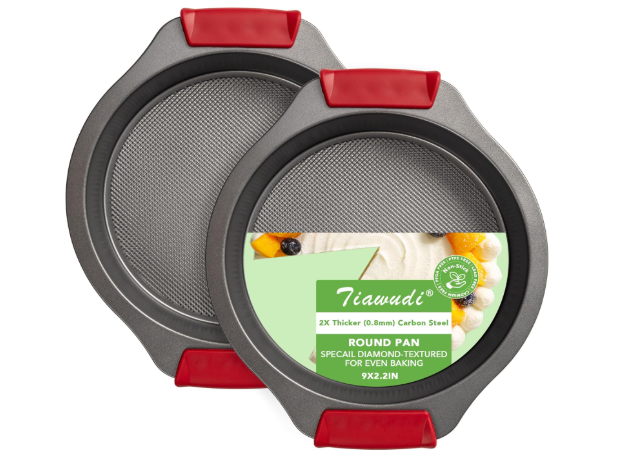
This Tiawudi set includes two 9-inch pans built with 0.8 mm thick heavy-duty steel, offering impressive stability for consistent results. The diamond texture base improves airflow and heat spread, supporting uniform layers—an advantage for anyone mastering the best way to slice a round cake without crumbling. Silicone grip handles add safety and confidence during transport.
Designed for bakers who frequently make tiered desserts, these pans suit kitchens seeking the best round cake pans for baking at home. The nonstick interior minimizes sticking, even with delicate batters, while encouraging sharp edges for professional-looking results. This set balances durability, usability, and value, positioning it among the highest rated round cake pans in its category.
Special Feature
- Extra-thick steel with diamond texture base
Key Benefits
- Strong heat retention
- Secure grip handles
- Clean layer release
- Set of two pans
Compatible For
- Tiered cakes
- Layer cakes
- Frequent baking
Special Note
Nonstick surface benefits from gentle hand washing only.
4. Tutikuki 8-Inch Carbon Steel Cake Pan Set – Practical Value Baking
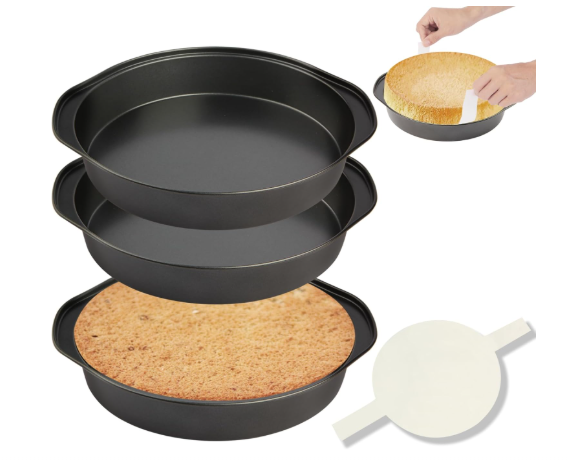
This 3-piece 8-inch set combines carbon steel pans with pre-cut parchment, offering immediate convenience. The size suits bakers searching for the best 8 inch round cake pans that balance portion control with versatility. Carbon steel construction ensures steady heat transfer, while built-in handles support safer oven handling.
Including parchment eliminates guesswork and supports smooth cake release, improving results for clean frosting and the best way to cut a round cake evenly. The dishwasher-safe design adds everyday practicality, making this a strong option for cost-conscious buyers looking beyond cheap round cake pans without sacrificing usability.
Special Feature
- Carbon steel build with included parchment liners
Key Benefits
- Value bundle
- Even baking results
- Easy pan handling
- Dishwasher friendly
Compatible For
- Home baking
- Layer cakes
- Everyday desserts
Special Note
Carbon steel may discolor slightly; performance remains unaffected.
5. USA Pan 12-Inch Nonstick Round Cake Pan – Large-Scale Baking Confidence
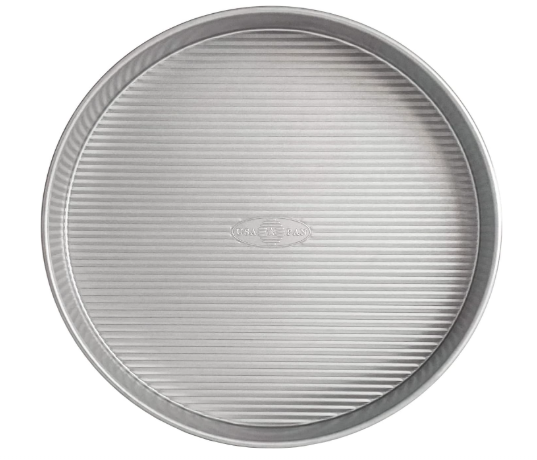
This large round cake pan from USA Pan is engineered for generous bakes and celebration-sized cakes. Its 12-inch diameter accommodates crowd-pleasing recipes while maintaining uniform baking thanks to a heavy-gauge aluminized steel core. The proprietary nonstick coating supports clean release, even for thick batters and dense crumb structures.
Ideal for bakers needing reliable results at scale, this pan fits the category of best professional cake pans used for events and parties. Straight sidewalls help produce defined edges, simplifying stacking and decorating. Its size also aligns with bakers exploring the best size round cake pan for larger gatherings.
Special Feature
- Commercial-grade aluminized steel with nonstick coating
Key Benefits
- Large capacity
- Consistent heating
- Easy cake release
- Durable construction
Compatible For
- Celebration cakes
- Event baking
- Large recipes
Special Note
Oversized pan requires adequate oven space and careful handling when full.
Best Round Cake Pan Overview and Baking Performance
A well-built round cake pan quietly controls most baking outcomes, even though many bakers blame recipes or ovens. You notice the difference right after pouring batter. Balanced heat flow, steady sidewalls, and a flat base decide if the center rises calmly or bulges like a dome. In real kitchens, pans made with solid metals hold temperature longer, reducing pale patches and scorched edges. That stability gives you layers that stack neatly and cool evenly.
Well, think of it like driving on a smooth road versus gravel. The ride stays predictable. The same logic applies here. Consistent baking performance keeps crumb texture soft instead of tight. Edges release cleanly, reducing the need for aggressive tools that damage cakes. For anyone baking for birthdays or events, that reliability saves time and frustration.
Depth also matters more than many expect. Shallow pans rush heat toward batter tops, while deeper builds slow the process, aiding taller layers. You also gain flexibility, from classic vanilla layers to rich chocolate blends. Uniform results batch after batch build confidence, especially if you bake often. Over time, a dependable pan stops feeling like gear and starts acting like a quiet partner in your kitchen routine.
What to Look for Before Buying a Round Cake Pan
Choosing a round pan involves far more than grabbing a size off the shelf. You quickly feel regret if material thickness feels weak in your hands. Heavier pans resist warping, even after repeated heating cycles. That extra weight often signals better heat retention and steadier performance.
Side shape plays a silent role. Straight sides help layers stack evenly. Sloped edges look harmless yet force trimming. Surface treatment affects release. Nonstick coatings simplify removal, while raw metal rewards careful greasing. Either path works, though habits decide preference.
Size range matters as well. Small pans suit tasting batches or trial runs. Mid-size models handle standard celebration cakes. Larger versions support crowds but need extra oven space. Ventilation and airflow across the base influence browning too, so textured bottoms often outperform smooth ones.
Handle design rarely gets attention, yet safe grip zones reduce spills. Dishwasher claims sound appealing, though hand washing extends lifespan. Storage space also deserves thought. Nesting pans save cabinets from clutter. Take a moment, imagine your routine, then choose wisely. That pause often separates smart buys from ignored tools.
Best Round Cake Pan vs Springform and Square Pans
Round, springform, and square pans each serve different baking moods, not just recipes. A round pan focuses on uniform heat distribution, offering symmetry ideal for stacked layers. That round shape helps frost glide smoothly, reducing patchwork seams along corners.
Springform designs shine with delicate fillings. Cheesecakes benefit from removable sides that avoid flipping. Still, seals can loosen, leading to leaks. That trait causes frustration if batters run thin. Square pans simplify portion cuts since grid slicing feels natural. Brownies thrive there, not so much airy sponges.
Round pans balance structure and simplicity. No locking rings to loosen. No sharp corners trapping batter. You also gain even perimeter exposure, limiting crisp edges that distract from tender crumbs. For presentation, circular layers feel festive without extra effort.
Real-life baking often mixes tools. Springform pans enter play for custards. Square pans handle bars. Round pans stay versatile, covering daily cakes without fuss. If storage or budget limits choices, sticking with round designs offers the widest range of results across classic baking needs.
Which Round Cake Pan Size Works Best for Your Recipes
Pan size changes more than diameter. Batter depth shifts baking speed and crumb density. Six-inch pans shine during test runs, smash cakes, or small households. They heat faster and cool quickly, great for short timelines.
Eight-inch pans hit a sweet spot. Home bakers rely on them for balance. Two layers stack nicely without towering instability. Nine-inch pans spread batter thinner, resulting in wider layers that bake flatter. That feature supports smooth decoration and cleaner slicing.
Large sizes work for gatherings, though ovens must accommodate width without blocking airflow. Oversized pans require longer bake times due to increased mass. That timing adjustment matters more than recipes suggest.
Matching pan volume to batter amount prevents overflow or squat layers. Many frustrations stem from ignoring volume charts. A batter meant for two eight-inch pans struggles inside a single large form. Planning ahead solves collapsed centers and dense middles. Size choice sets the stage before any ingredient mixing begins.
Materials Compared Aluminum Steel Ceramic and Silicone
Material selection defines how batter behaves. Aluminum pans respond quickly to heat, spreading warmth evenly. That trait helps cakes rise smoothly, lowering the risk of raw centers. Steel pans offer durability through thicker walls, though they heat slower.
Ceramic-coated pans attract bakers chasing easy release and aesthetic appeal. They clean faster and resist stains, though coatings need gentle care. Silicone pans feel flexible and lightweight. While storage stays simple, structure lacks firmness, often producing softer edges and lighter browning.
Experienced bakers often favor uncoated aluminum for precision. It reflects heat efficiently and avoids coating wear. Steel enters professional kitchens thanks to resilience. Ceramic suits casual baking sessions focused on convenience. Silicone finds use in novelty shapes rather than structured layers.
No material works universally. Your habits decide. Frequent high-heat baking favors metal. Occasional projects enjoy coatings. Knowing material traits prevents mismatched expectations and extends tool satisfaction.
Best Recipes That Bake Perfectly in a Round Cake Pan
Classic yellow cake thrives in round pans thanks to balanced lift. Butter-based batters cling just enough to sides, rising without collapse. Chocolate layers also benefit, as steady heat stops overbrowning before centers finish.
Carrot cake performs beautifully here. Moist batters spread evenly, supporting add-ins like nuts or fruit without sinking. Sponge cakes rely on airflow and symmetry, both supported by circular walls.
Buttercream cakes love straight edges for clean stacking. Even lighter batters like chiffon settle evenly, reducing doming. Holiday favorites such as red velvet keep color consistency thanks to controlled heat exposure.
Crowd-pleasing results emerge with familiar formulas, not experimental shapes. That consistency lets flavors shine. Round pans also support repetition, helping bakers refine recipes through repetition rather than equipment surprises.
Everyday and Creative Uses Beyond Standard Cakes
Round pans go far past birthday duties. Many cooks use them for layered quiches, deep-dish pizzas, or molded rice dishes. Savory bakes benefit from even browning across the base.
Ice cream cakes freeze neatly inside round forms. Lining with parchment simplifies unmolding. Cornbread adapts well also, producing soft centers without crisp corners. Some even craft stacked gelatin desserts using this shape.
Leftover bread pudding works beautifully inside deeper round pans. Presentation feels intentional rather than improvised. Appetizer towers and stacked savory pies gain polish through symmetrical shaping.
Versatility elevates kitchen value. A tool that fills multiple roles earns counter space. Once you stop labeling it as dessert-only, creativity expands without buying more bakeware.
How to Get Clean Slices from a Round Cake
Cutting neatly starts before knives appear. Allow full cooling. Warm cakes tear easily. Chilled layers firm up crumb structure, aiding smoother cuts. A long serrated knife works better than short blades.
Wipe the blade between slices. That simple habit removes frosting buildup. Use gentle sawing motions instead of downward force. Visual guides help too. Mark quarters lightly, then divide further.
For layered cakes, steady pressure maintains alignment. Press loosely rather than rush. Rotating the cake between cuts keeps angles consistent. Warm knives cut through frostings more easily, while cool blades suit whipped toppings.
Clean slicing turns effort into presentation. Neat wedges show layers clearly, making every piece look planned rather than hacked together.
Cleaning and Maintenance Tips for Long-Lasting Performance
Hand washing preserves finishes longer than machines. Warm water loosens residue without scraping. Soft sponges protect coatings. Avoid sharp tools that scratch interiors.
Dry completely before storage. Moisture invites stains and dulling. Light oiling on uncoated metal fights oxidation. Stacking pans with liners in between prevents scuffs.
Burnt residue responds well to soaking. Baking soda pastes lift marks without abrasion. Avoid harsh cleaners that degrade surfaces. Gentle care maintains consistent baking reliability over years.
A quick rinse right after use saves effort later. Small habits compound, extending tool lifespan quietly.
Common Mistakes to Avoid with Round Cake Pans
Skipping pan prep remains the most damaging error. Even nonstick surfaces benefit from light greasing and lining. Overfilling leads to spills and dense centers.
Ignoring oven position ruins balance. Center racks support even airflow. Crowded ovens trap heat unevenly. Measuring batter volume incorrectly causes uneven layers.
Rapid temperature changes warp thinner pans. Placing hot metal under cold water risks distortion. Cooling gradually protects shape.
Rushing removal damages crumb texture. Give cakes time to settle before flipping. Patience rewards structure.
Who Should Buy a Professional-Grade Round Cake Pan
Frequent bakers gain the most from professional-grade builds. Event bakers appreciate sturdy walls and consistent results. Those selling goods need reliability batch after batch.
Home enthusiasts also benefit if baking becomes routine. Strong pans reduce trial errors and waste. They cost more upfront, though longevity offsets expense.
Professionals value repeatable outcomes, especially for stacked designs and decorated cakes. Thicker builds hold heat better and maintain shape through heavy use.
If baking feels central to your routine, investing here makes sense. The pan fades into the background, letting technique shine.
FAQs
How does pan thickness affect cake texture
Thickness controls heat speed. Thicker builds spread warmth steadily, reducing collapsed centers. Thin walls heat rapidly, risking uneven crumb. Bakers seeking soft interiors often favor heavier options that moderate oven fluctuations.
Can parchment replace greasing
Parchment simplifies release, especially for flat bases. Sidewalls still benefit from light grease. Using both offers insurance, particularly for sugar-heavy batters prone to sticking.
Do darker pans bake faster
Dark finishes absorb heat aggressively. That can brown edges sooner. Lowering oven temperature slightly evens results. Light finishes reflect heat gently, offering broader margin.
Why do cakes dome
Doming occurs due to hotter edges setting early. Cooling strips or lower temperatures reduce this. Proper pan material also contributes by balancing heat flow.
Is rotating pans mid-bake helpful
Rotation corrects oven hot spots. Turning halfway keeps browning uniform. Avoid early movement that disrupts rise structure.
Read Also:
Discover New Articles: See Our Latest Updates
