Ceramic Heater Vs. Convection Heater: Which Fits Your Space Best
Disclosure: As an Amazon Associate, I earn from qualifying purchases. Learn more
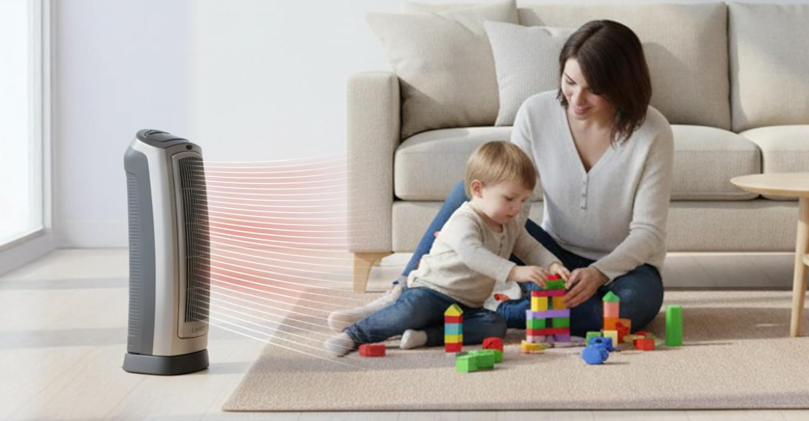
Choosing between a ceramic heater vs convection heater depends on room size and heating preference. Ceramic heaters warm the air quickly using electric elements and are perfect for smaller areas or personal spaces. They deliver focused heat, making them efficient and portable. Convection heaters circulate warm air throughout the room, providing steady, even heat ideal for larger spaces.
A convection heater for large room use ensures comfort without hot spots. The best ceramic heater offers fast heat-up, while the best convection heater maintains consistent warmth. Both types are energy-efficient choices for keeping indoor spaces cozy during cold months.
Ceramic Heater vs Convection Heater – How Each Technology Works
Every heating system has its own rhythm. A ceramic heater generates warmth through ceramic plates that heat up quickly, releasing a steady stream of direct heat. It’s like standing near a sunny window on a chilly day—instant comfort that targets the body more than the air. These heaters rely on electric elements and internal fans to push warm air forward, creating fast, focused heating in small areas.
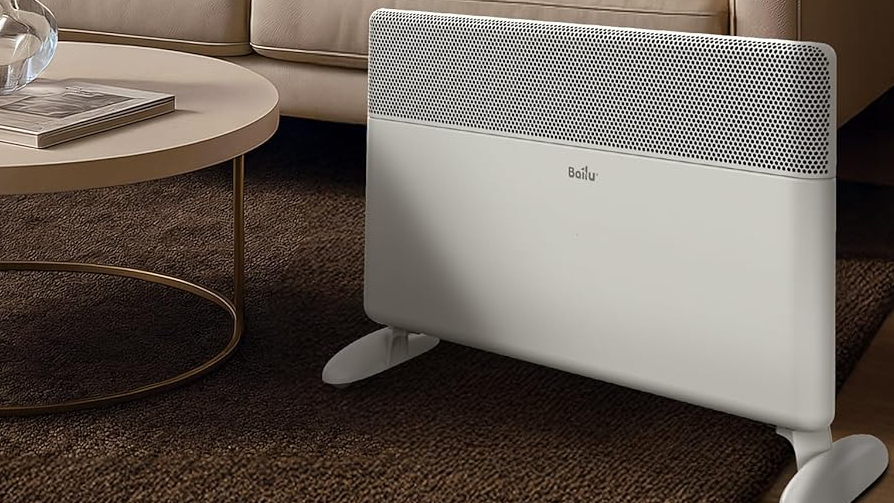
A convection heater, on the other hand, plays a slower but steadier tune. It heats the surrounding air, allowing warmth to rise naturally and circulate through the room. The result is a consistent temperature that feels soft and even, perfect for larger living spaces. Some models include oil-filled radiators or panel-style units for quiet, long-lasting warmth. While ceramic heaters excel in quick heat delivery, convection heaters shine in maintaining ambient comfort without constant on-and-off cycles. Each works best under different conditions—fast versus steady, compact versus spacious, targeted versus full-room.
Key Features to Compare in Ceramic vs Convection Space Heaters
Comparing heaters feels easier with a clear breakdown of their strengths and trade-offs.
| Feature | Ceramic Heater | Convection Heater |
|---|---|---|
| Heating Speed | Very fast, warms up instantly | Gradual, builds over time |
| Coverage Area | Ideal for small rooms or personal use | Best for large areas and open spaces |
| Noise Level | Slight fan sound | Almost silent operation |
| Energy Efficiency | High for short use | Efficient for long, steady heating |
| Portability | Lightweight and compact | Often bulkier or wall-mounted |
| Safety | Overheat protection, tip-over switch | Lower surface temperature, steady output |
| Maintenance | Simple cleaning | Minimal upkeep, long lifespan |
This type of comparison helps you identify what matches your space. Ceramic heaters win on speed and flexibility, while convection heaters lead in quiet, sustained warmth.
Ceramic Heater vs Convection Heater: Review
Lasko Ceramic Tower Heater: Focused & Fast-Acting Warmth
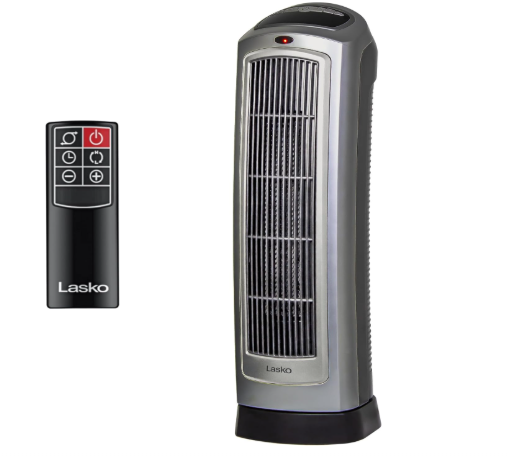
The Lasko Oscillating Digital Ceramic Tower Heater is engineered for rapid and targeted heating in your living room, bedroom, or office. Utilizing advanced ceramic heating elements, this sleek 23-inch tower delivers instant warmth the moment you turn it on. It efficiently concentrates heat in your desired direction, making it an energy-saving choice for personal comfort. The wide-area oscillation feature ensures even heat distribution throughout the space. With a powerful 1500W setting, it can quickly take the chill out of a room. The integrated digital display, adjustable thermostat, and programmable timer offer complete command over your environment, while the included remote control provides ultimate convenience from across the room, allowing you to adjust settings without moving.
Key Benefits
- Fast-acting ceramic heating
- Wide-area oscillation feature
- Digital thermostat and timer
- Included remote control
- Compact, space-saving tower design
Ballu Convection Panel Heater: Whole-Room Silent Warmth
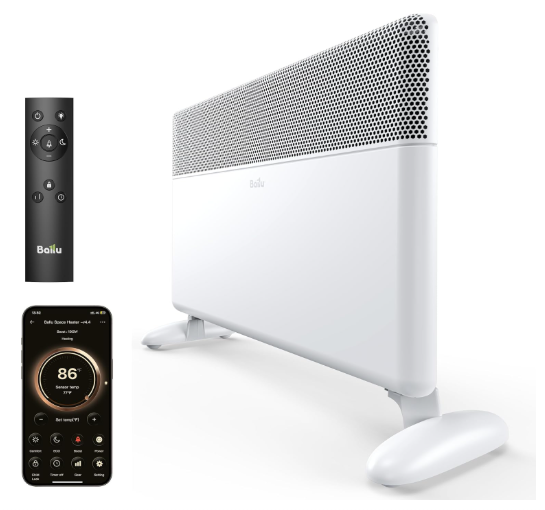
The Ballu Convection Panel Heater provides a gentle, whole-room warmth ideal for larger spaces, functioning like a modern radiator. This ultra-slim and quiet heater uses natural convection currents, silently drawing in cool air and releasing warmed air to create a consistent and comfortable ambient temperature. Its smart home integration allows you to control it via a WiFi app on your phone or through voice commands with Alexa, offering modern convenience. You can choose to mount it on the wall as a permanent fixture or use it as a freestanding unit, providing exceptional installation versatility. With a programmable thermostat and 1500W of power, it efficiently maintains your preferred temperature without the noise of a fan, making it perfect for bedrooms and living areas.
Key Benefits
- Silent convection heating operation
- WiFi and Alexa smart app control
- Slim panel design for wall mounting
- Excellent for large room coverage
- Programmable thermostat for efficiency
Benefits of a Ceramic Heater for Small Rooms and Targeted Heating
A ceramic heater makes small spaces feel instantly comfortable. The quick heat-up time ensures you don’t have to wait long on frosty mornings. These heaters perform best for bedrooms, offices, or study corners, offering focused warmth right where you need it. Many come with adjustable thermostats, timers, and oscillating functions that distribute heat evenly without overheating the room.
They’re also known for energy savings since the heat is directed efficiently toward the user. For anyone working from home or relaxing on a couch, this setup provides that immediate coziness you crave. Because they’re compact and portable, you can move them from one spot to another with ease. And their built-in safety systems—like tip-over protection—make them reliable choices for homes with pets or kids. Quick comfort, quiet performance, and efficient heating make them a practical favorite for smaller zones.
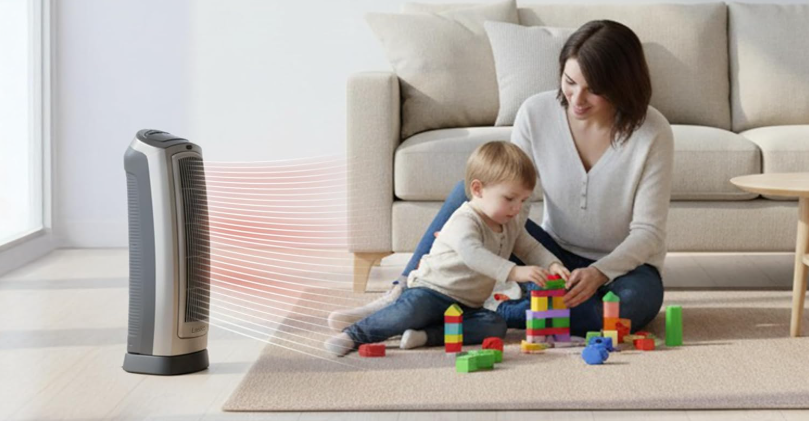
Advantages of a Convection Heater for Large Room Coverage and Steady Warmth
A convection heater thrives in spacious environments where consistent warmth matters most. It warms the air gently, letting it circulate naturally through the room, creating a blanket of even heat. Large bedrooms, living rooms, and open offices benefit from this gradual build-up of comfort that lasts for hours.
What sets convection models apart is their quiet operation—no fans humming, just peaceful warmth filling the space. Many feature digital thermostats, smart timers, and even WiFi connectivity, allowing full control over settings. Wall-mounted designs save floor space, while standing units can easily move around.
These heaters excel at maintaining a steady ambient temperature rather than producing bursts of heat. Once the desired level is reached, they work efficiently to hold it without frequent cycling. For anyone wanting consistent warmth that feels natural, convection heaters are a dependable and energy-conscious option that keeps every corner comfortable.
Limitations and Disadvantages of Ceramic Heaters in Bigger Spaces
Even great heaters have boundaries. Here’s what to keep in mind before relying on a ceramic model for a wide area.
- Heat spreads unevenly across large rooms
- Air cools quickly once turned off
- Works best in closed or insulated areas
- Fan noise may bother light sleepers
- Limited temperature range for extra-large zones
- Requires placement near an outlet for optimal performance
For small bedrooms or workspaces, ceramic models shine. But expecting them to heat a whole living room often leads to disappointment. Combining them with a ceiling fan or secondary heater can improve comfort in expansive areas without losing efficiency.
Drawbacks of Convection Heaters Including Heat-Up Time and Energy Use
Convection heaters have their share of quirks too. They’re slower to warm up, which means you might not feel instant relief on icy mornings. Instead, they build warmth gradually, circulating air that keeps a room cozy for long periods. That approach consumes more electricity initially, especially in poorly insulated spaces.
Large units can be heavier, making portability less convenient. And while their quiet operation is a plus, some users may find the initial waiting time frustrating. Still, the trade-off often proves worthwhile once the room reaches a stable temperature.
To manage energy costs, look for models with programmable thermostats or eco modes that automatically adjust power usage. Convection heaters are best for those who value steady, uninterrupted warmth over rapid heating spurts.
How to Choose the Best Convection Heater or Best Ceramic Heater for Your Needs
Picking the right heater starts with knowing your space and comfort goals.
- Measure the room size to gauge heating power requirements
- Decide your priority—fast personal warmth or steady room heat
- Check safety features like tip-over switches and cool-touch exteriors
- Look for adjustable thermostats to avoid energy waste
- Assess portability if you plan to move it often
- Review customer feedback for reliability and maintenance insights
- Consider noise sensitivity if it’s going in a bedroom or office
Choosing wisely means matching the heater’s design to your environment. Ceramic models fit quick comfort in tight spots, while convection units bring lasting heat to open rooms.
Safety, Efficiency and Cost Considerations in the Ceramic Heater vs Convection Heater Decision
| Factor | Ceramic Heater | Convection Heater |
|---|---|---|
| Safety Features | Tip-over protection, overheat auto-shutoff | Cool exterior, stable base, thermal cutoff |
| Energy Efficiency | Excellent for short bursts | Great for long, continuous heating |
| Operating Cost | Lower for short sessions | Balanced for extended periods |
| Noise Level | Mild fan sound | Virtually silent |
| Durability | Long-lasting ceramic plates | Reliable heating coils or panels |
In day-to-day use, ceramic heaters perform well for spot heating while convection units serve better as whole-room systems. The best choice depends on how you live—short bursts of heat near your desk or a steady warmth spreading through a large family room. Either way, choosing wisely means balancing safety, efficiency, and comfort to create an ideal indoor environment.
Discover New Articles: See Our Latest Updates
