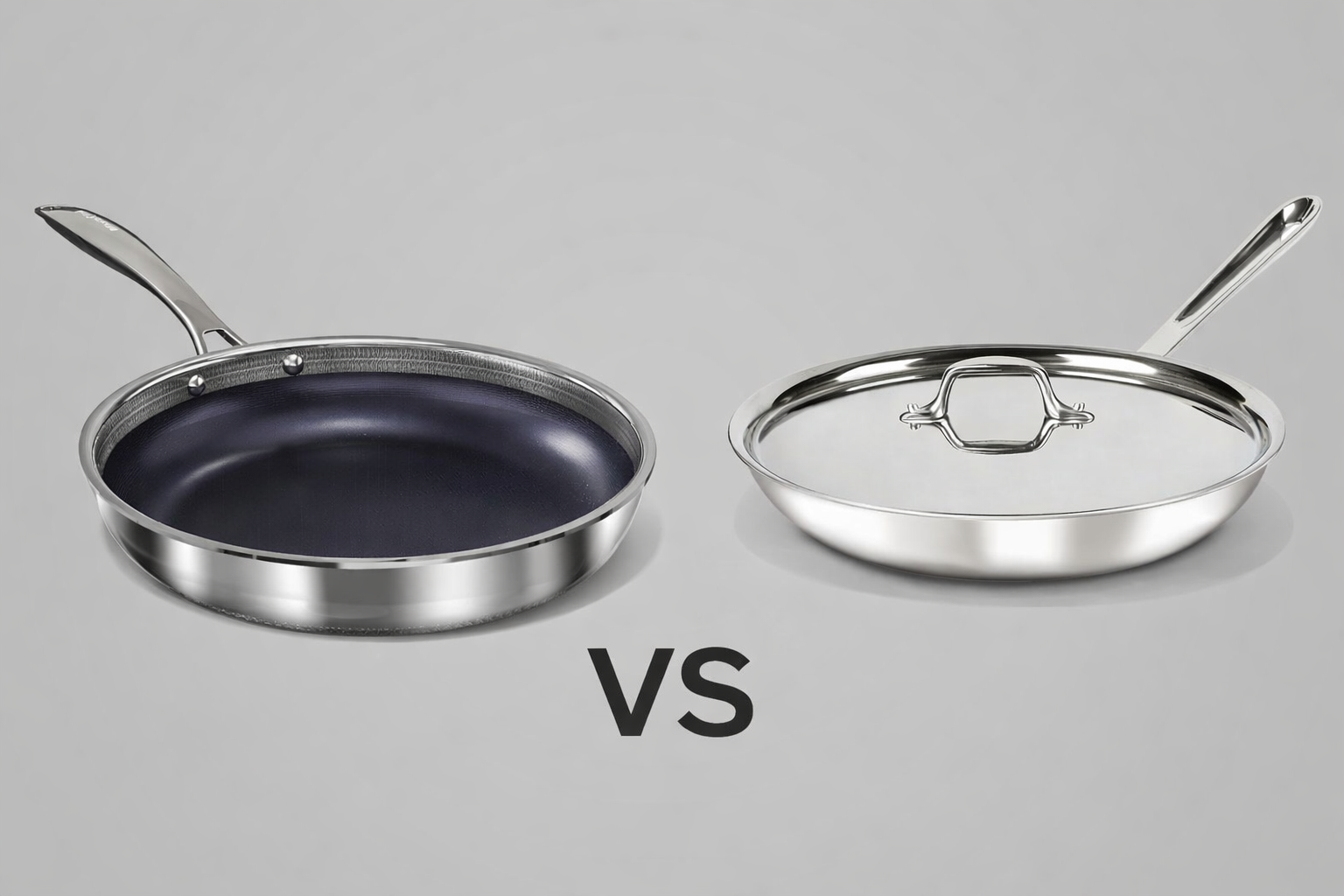
Ceramic Vs. Stainless Steel Pots and Pans: Choose Your Best Fit
Disclosure: As an Amazon Associate, I earn from qualifying purchases. Learn more
Stainless steel is better for high-heat cooking, durability, and long-term performance. Ceramic is better for easy food release and low-oil cooking at moderate heat.
If you have ever compared a ceramic frying pan with a stainless steel skillet, the decision can feel unclear. You may be concerned about health and safety, food sticking, or which material lasts longer. Many people also question ceramic vs stainless steel cookware health and whether stainless steel pots vs ceramic options affect daily cooking results.
Both materials are safe and effective when used correctly, but they solve different kitchen problems. Choosing the right one depends on how you cook, how much heat you use, and how much maintenance you are willing to handle.
What Is the Real Difference Between Ceramic vs Stainless Steel Cookware
The core difference between ceramic cookware versus stainless steel lies in surface design and heat tolerance.
Ceramic cookware usually features a metal base, often aluminum, coated with a silica-based nonstick layer. This coating creates a smooth cooking surface that allows food to release easily with minimal oil. It is especially popular for a ceramic cooking pot or ceramic frying pan used for eggs, pancakes, and delicate foods.
SENSARTE Ceramic Cookware Set is a practical option for home cooks who prioritize toxin-free nonstick performance and effortless daily cooking → View on Amazon
Stainless steel cookware has no coating. Instead, it is commonly built with layered construction, bonding stainless steel with aluminum or copper cores for even heat distribution. The cooking surface is durable, non-reactive, and designed for high temperatures.
Blue Diamond Hybrid Cookware Set is a strong choice for cooks who want stainless steel durability with added ceramic nonstick convenience → View on Amazon
In simple terms:
- Ceramic focuses on nonstick convenience and lighter cooking
- Stainless steel focuses on heat control, browning power, and longevity
When asking which is better, stainless steel or ceramic cookware, the answer depends on whether you prioritize ease or endurance.
WhatsClad 10″ Hybrid Ceramic Nonstick Frying Pan Review – Best Ceramic Option
For those comparing ceramic cookware vs stainless steel, the WhatsClad 10″ Hybrid Ceramic Nonstick Frying Pan stands out with its PFAS & PTFE-free 2-layer ceramic coating and durable 3-ply stainless steel base.
Compatible With: induction, gas, electric, and dishwasher use.
Key Benefits: 9H hardness for scratch resistance, corrosion protection, easy food release, and healthier low-oil cooking performance.
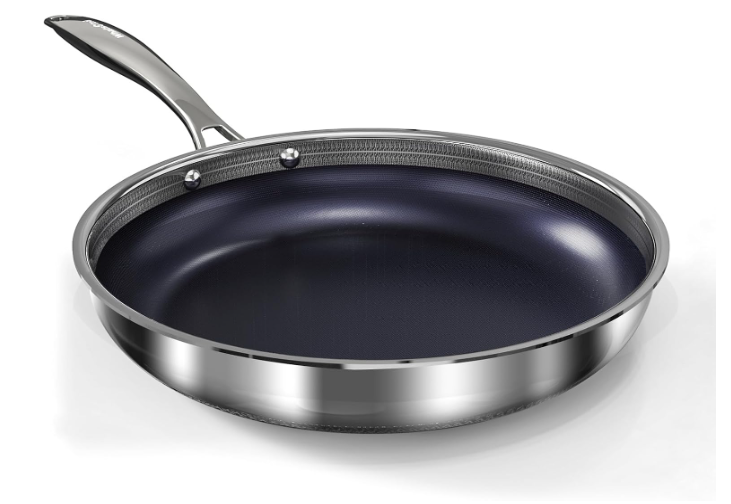
WhatsClad Hybrid Ceramic Frying Pan is a smart choice for nonstick, toxin-free everyday cooking with long-lasting durability → View on Amazon
All-Clad D3 12-Inch Stainless Steel Frying Pan Review – Best Stainless Steel Option
When evaluating stainless steel vs ceramic cookware, the All-Clad D3 12-inch Stainless Steel Frying Pan delivers professional-grade searing power with bonded 3-ply construction made in the USA.
Compatible With: induction, gas, electric, broiler, and oven use.
Key Benefits: superior heat distribution, warp resistance, metal-utensil safe surface, and unmatched long-term durability for high-heat cooking.
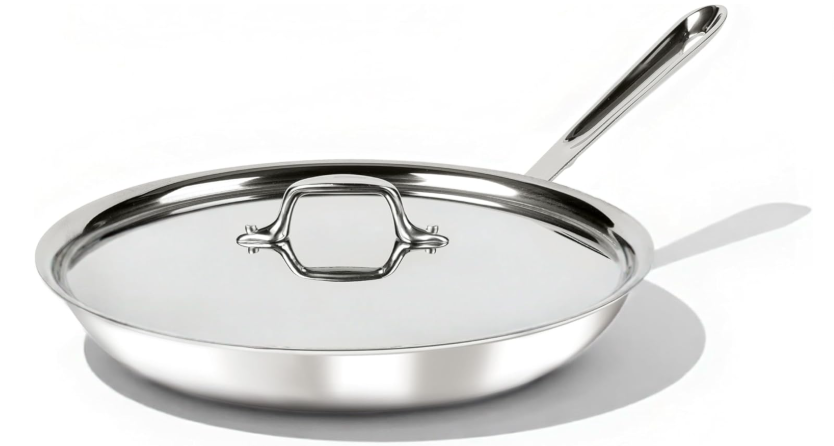
All-Clad D3 12-Inch Stainless Steel Frying Pan is a premium choice for serious home cooks who want maximum searing performance and lifetime reliability → View on Amazon
Why People Get Confused About Ceramic vs Stainless Steel Health
Health concerns around ceramic vs stainless steel health usually stem from mixed messaging and outdated information.
Cause 1: Fear of Traditional Nonstick Chemicals
Older nonstick coatings raised safety questions. Modern ceramic cookware is marketed as free from those compounds.
Effect: Many assume ceramic is automatically safer than stainless steel.
Cause 2: Misunderstanding Stainless Steel Composition
High-quality stainless steel is non-reactive and stable under normal cooking conditions. However, people sometimes worry about trace metals.
Effect: Confusion about whether stainless steel cookware vs ceramic is safer.
Cause 3: Overheating or Surface Damage
Both materials can perform poorly if misused. Ceramic coatings degrade under excessive heat. Stainless steel can discolor or warp if abused.
Effect: Users attribute problems to material safety rather than cooking habits.
In practical terms, both options are safe when intact and used correctly. Health risks are usually linked to overheating, scratching, or low-quality construction, not the core material itself.
Pros and Cons of Ceramic Cookware vs Stainless Steel
Below is a simplified comparison of ceramic cookware pros and cons versus stainless steel performance.
| Feature | Ceramic Cookware | Stainless Steel Cookware |
|---|---|---|
| Heat Tolerance | Best at medium heat | Excellent at high heat |
| Nonstick Performance | Strong at first | Requires technique |
| Durability | Coating wears over time | Extremely long-lasting |
| Maintenance | Gentle care required | More forgiving |
| Searing Ability | Limited | Excellent browning |
| Weight | Lightweight | Heavier and sturdy |
| Lifespan | Shorter replacement cycle | Often decades with care |
Ceramic cookware vs stainless steel becomes a question of convenience versus durability. If you want effortless food release, ceramic works well. If you want cookware that can withstand years of heavy use, stainless steel is the best choice.
Is Stainless Steel or Ceramic Better for Cooking Specific Foods?
Cooking Eggs
A ceramic frying pan allows easy release with minimal oil. Stainless steel can cook eggs effectively, but only when properly preheated and oiled.
Searing Steak or Chicken
Stainless steel performs better for high-heat searing. It develops a flavorful crust without damaging the surface. Ceramic vs steel pans show clear differences here because ceramic coatings can deteriorate under intense heat.
Simmering Sauces
Both ceramic cooking pots and stainless steel pots can handle sauces. However, stainless steel offers greater durability for frequent, long simmering sessions.
Cooking Acidic Foods
High-quality stainless steel is non-reactive, making it suitable for tomato-based dishes. Ceramic coatings also handle acidity well when intact.
How to Choose Between Ceramic vs Stainless Steel Pots and Pans
Step 1: Evaluate Your Heat Usage
If you often cook at high temperatures, stainless steel cookware vs ceramic is more reliable.
Step 2: Identify Food Types
Frequent egg or fish cooking favors ceramic. Frequent meat searing favors stainless steel.
Step 3: Consider Longevity
Ceramic coatings gradually lose nonstick performance. Stainless steel can last for decades.
Step 4: Assess Maintenance Preference
Ceramic requires gentler handling. Stainless steel tolerates scrubbing and higher heat.
Step 5: Budget for Replacement
The ceramic may need replacing sooner. Stainless steel is usually a long-term investment.
Common Mistakes When Comparing Ceramic vs Steel Cookware
Mistake 1: Assuming All Stainless Steel Pans Are the Same
Construction quality matters. Multi-layer designs improve performance significantly.
Mistake 2: Using High Heat on Ceramic
Excess heat shortens coating lifespan and reduces nonstick ability.
Mistake 3: Expecting Stainless Steel to Be Naturally Nonstick
It requires correct preheating and oil timing.
Mistake 4: Using Abrasive Tools on Ceramic
Scratching damages the coating and affects performance.
Mistake 5: Choosing Based Only on Marketing Claims
Ceramic vs stainless steel cookware health differences are minimal when both are properly used.
How to Extend the Life of Stainless Steel or Ceramic Pans
Follow these practical habits to maximize lifespan.
For Ceramic Cookware
- Use medium or low heat
- Avoid metal utensils
- Wash with non-abrasive sponges
- Allow pans to cool before washing
For Stainless Steel Cookware
- Preheat before adding oil
- Deglaze to remove stuck bits
- Clean promptly after cooking
- Avoid extreme temperature shock
Daily care habits determine durability more than material choice.
When Ceramic vs Stainless Steel Health Truly Matters
Symptom: Food sticks more over time
Cause: Worn ceramic coating
Symptom: Surface discoloration in stainless steel
Cause: Overheating or mineral residue
Symptom: Metallic taste
Cause: Low-quality stainless steel or damaged surface
Ceramic vs stainless steel health concerns are usually linked to damaged cookware. Intact, high-quality materials are generally stable and safe for cooking. Replacing heavily worn pans is the simplest preventive step.
FAQs
Is Ceramic or Stainless Steel Cookware Safer?
Both are considered safe when used properly. Stainless steel is non-reactive and stable at high temperatures. Ceramic cookware is generally free from older nonstick chemicals but can degrade if overheated. Safety concerns usually arise from misuse, such as overheating or scratching surfaces. Choosing quality construction and maintaining the cookware properly makes more difference than the material itself.
Are Ceramic or Stainless Steel Pans Better for Everyday Cooking?
It depends on what you cook daily. Ceramic frying pans are excellent for eggs, fish, and low-oil meals. Stainless steel performs better for browning meat and cooking at higher temperatures. Many home cooks benefit from owning both because they serve different purposes in the kitchen.
Do Ceramic Pans Last as Long as Stainless Steel?
Generally, no. Ceramic coatings wear down over time, especially with high heat or frequent use. Stainless steel cookware can last decades if maintained correctly. Longevity is one of the biggest differences when comparing ceramic cookware vs stainless steel.
Is Stainless Steel Better Than Regular Nonstick?
Compared to traditional nonstick coatings, stainless steel offers higher heat tolerance and longer lifespan. However, it requires more technique to prevent sticking. It is better suited for cooks comfortable managing temperature and oil timing.
Which Is Better Stainless Steel or Ceramic Cookware for Health?
For most households, both are safe options. Stainless steel is stable and does not rely on coatings. Ceramic avoids older chemical-based nonstick materials. Health concerns mainly appear when surfaces are damaged or overheated. Proper care is more important than material type.
Key Takeaways for Choosing the Right Cookware
Ceramic and stainless steel cookware serve different purposes. Ceramic delivers convenience, easy release, and low-oil cooking at moderate heat. Stainless steel offers durability, high-heat tolerance, and superior browning performance.
If you value simplicity and lighter meals, ceramic is practical. If you prioritize longevity and searing power, stainless steel is more dependable. Matching the cookware to your cooking style ensures consistent results and fewer frustrations in the kitchen.
More Posts You May Like:
- Are Ceramic Pans Safe to Cook With and Healthier Than Teflon?
- Wok Vs. Saute Pan: Choose the Smart Fit for Stir Fry or Sauces
- Misen Carbon Steel Pans Pros And Cons Compared With Other Cookware
- Is Made In Cookware Safe and Worth It? A Practical Review With Pros and Cons
Discover New Articles: See Our Latest Updates
