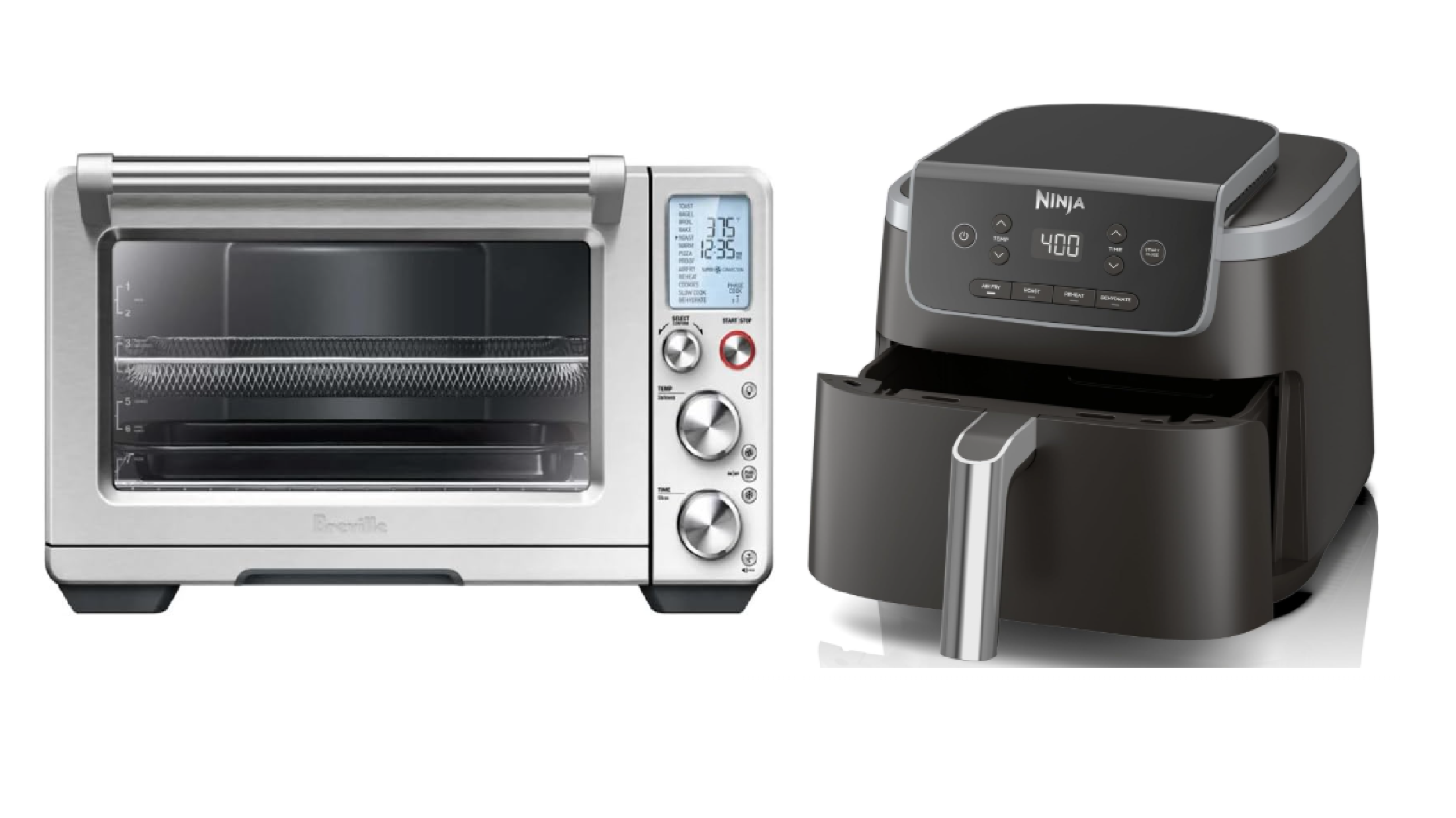
Convection Oven Vs. Air Fryer What Works Better for You
Disclosure: As an Amazon Associate, I earn from qualifying purchases. Learn more
Many people compare convection oven vs air fryer because both use a fan to circulate hot air for faster cooking. A convection oven spreads heat across a larger space, making it useful for baking trays of cookies or roasting a full chicken. An air fryer creates a more concentrated heat zone, giving food a crisp texture with less oil, which appeals to those who focus on better health. Cooking times often differ, as air fryers usually finish faster due to stronger airflow and a smaller chamber. Some kitchen appliances combine both features, offering a convection oven with air fryer functions for quicker and crispier meals.
Convection Oven vs Air Fryer Key Differences and Similarities
| Feature | Convection Oven | Air Fryer |
|---|---|---|
| Cooking Capacity | Large interior, multiple trays | Compact basket, smaller portions |
| Crisp Level | Moderate browning | Strong, crispy edges |
| Cooking Speed | Slightly longer | Faster due to concentrated heat |
| Ideal Meals | Breads, casseroles, large roasts | Fries, wings, reheated snacks |
| Cleaning Effort | Larger area to clean | Smaller detachable basket |
Both appliances rely on circulating hot air for faster and more even cooking, but the way they deliver heat makes a difference. A convection oven works with a spacious chamber, perfect for multi-tray baking, roasting, and family meals. Air fryers, on the other hand, focus heat in a tight area, producing crunchier textures for items like fries and chicken tenders. People who bake pastries or breads often appreciate the gentle, even airflow of a convection oven, while anyone looking for quick, crispy snacks with less oil gravitates toward the air fryer. The distance between the heating elements and the food also impacts browning and texture, with air fryers creating faster, more concentrated results. A convection oven provides versatility, while an air fryer shines for speed, crisping, and energy efficiency.
Convection Oven vs Air Fryer : An Easy Comparison & Recommendations
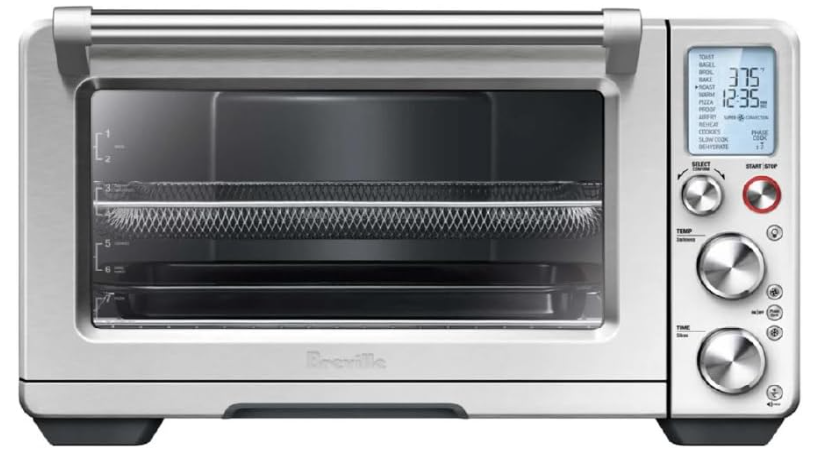
Breville smart oven air fryer pro — a powerful convection-oven alternative
The Breville Smart Oven Air Fryer Pro brings together super convection and 13 cooking modes, making it an outstanding option in the convection oven vs air fryer conversation. With a dual-speed convection fan (super and regular), it circulates hot air more efficiently to slash cooking times by up to 30 percent. Its 1 cubic-foot interior is generously sized — you can roast a 14-lb turkey, bake in a 9×13″ pan, or fit a 12-cup muffin tray. The Element IQ system uses six independent quartz heating elements to target heat precisely above and below your food, ensuring even results every time.
In air-fry mode, this smart oven delivers crispy results while maintaining convection-oven benefits like volume and versatility. You also get a mesh basket and rack so you can dehydrate up to four trays of fruits or vegetables — making it ideal for multitaskers who want one appliance instead of two. The LCD display simplifies choosing from its 13 presets, and the integrated oven light automatically turns on when the cycle finishes.
Key Benefits
- Super convection cuts cooking time
- 13 presets for toast, roast, air fry, dehydrate
- Large 1 cu ft capacity
- PID temperature control for precision
- Dehydrates up to 4 trays
Compatible For
- Large family meals
- Batch toasting and roasting
- Dehydrating fruits and veggies
- One-oven replacement for multiple gadgets
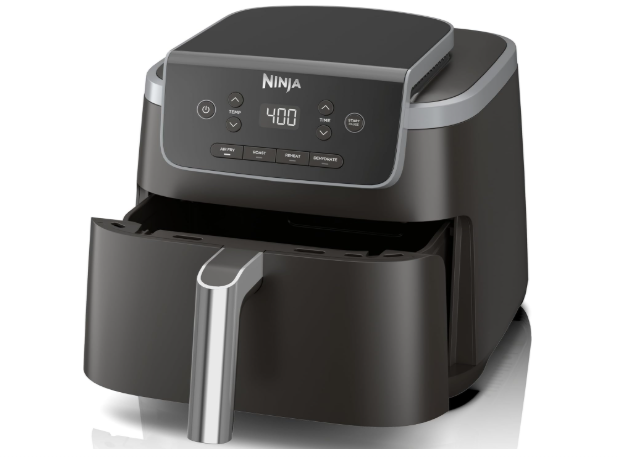
Ninja 4-in-1 pro air fryer — compact, fast, and efficient
The Ninja AF141 4-in-1 Pro Air Fryer excels in the convection oven vs air fryer debate by offering superheated 400 °F Air Crisp technology that surrounds food with hot air to give crisp, golden finishes with little to no oil. Its 5-quart basket fits up to 4 lbs of fries or 5 lbs of chicken wings, striking a balance between capacity and countertop footprint.
It supports four cooking functions — air fry, roast, reheat, and dehydrate — giving you versatility without needing multiple appliances. Because it reaches high temperatures quickly, you can crisp frozen foods fast, which is a boon on busy days. The nonstick basket and crisper plate make cleanup a breeze, and the included recipe book and cooking charts help you make the most of its capabilities.
Key Benefits
- 400 °F “Air Crisp” for super-crisp results
- Four versatile cooking modes
- Capacity handles family-size portions
- Nonstick basket and plate
- Cooking chart and recipe book
Compatible For
- Quick weeknight dinners
- Reheating leftovers
- Dehydrating snacks
- Frying with less fat
How Convection Heating Works Compared to Air Frying Technology
Convection ovens use a fan to circulate heated air throughout a spacious chamber, ensuring food cooks evenly and surfaces brown without burning. This constant movement of air replaces the cooler boundary layer around the food, reducing cook time and promoting uniform texture. Baking bread, roasting vegetables, or cooking layered dishes benefit from this gentle, yet effective, heat distribution.
Air fryers take a similar concept but amplify it in a smaller chamber. Heat moves rapidly around the food with more intensity, creating crisp surfaces similar to deep frying but with minimal oil. Frozen snacks, small cuts of chicken, and thinly sliced vegetables crisp faster because of the concentrated airflow and closer proximity to the heating element.
Subpoints:
- Fast air circulation promotes even cooking
- Concentrated heat enhances browning and crispiness
- Less oil is needed for fried-style textures
- Compact design reduces preheat time
- Ideal for small portions or quick snacks
This technological difference is why both appliances often feel similar at first glance, yet the texture, cooking speed, and portion size reveal the distinction between the two.
Advantages of a Convection Oven for Baking, Roasting, and Large Meals
Convection ovens excel at preparing large meals or multiple dishes at once. The roomy interior accommodates a whole chicken, multiple trays of cookies, lasagna, or batch-roasted vegetables. Even heat distribution ensures consistent browning, while keeping interior moisture balanced. For bakers, puff pastries, artisan bread, and soufflés benefit from the stable temperature and gentle airflow, reducing the chance of uneven cooking.
Roasting vegetables becomes easier because the fan removes excess moisture, resulting in deeper caramelization and crisp edges. Families who meal prep on weekends can cook three or more trays simultaneously without compromising quality. Many convection ovens include multi-function settings such as broil, bake, toast, and roast, letting cooks handle a variety of recipes with a single appliance.
Slow-roasted meats, casseroles, and layered pasta dishes thrive in the larger space, providing flexibility and efficiency for home chefs tackling complex meals. Convection ovens also allow for better control over baking times, making them a go-to option for those hosting gatherings or holiday dinners.
Air Fryer Benefits for Faster Cooking and Lower Oil Use
- Rapid airflow creates crispy textures with minimal oil
- Smaller chamber reduces preheat time
- Perfect for quick snacks and weeknight meals
- Reheats leftovers without sogginess
- Compact design saves counter space
- Energy-efficient for small batches
- Easy cleanup with nonstick baskets
- Promotes healthier cooking habits with reduced fat
- Ideal for frozen foods like fries, nuggets, or tater tots
- Encourages portion control and fast cooking
Air fryers provide speed, convenience, and healthier cooking without compromising taste. The intense airflow ensures foods brown and crisp evenly, making it a preferred option for anyone seeking a snack or meal quickly. The design supports easy maintenance and effortless storage, which is especially appealing in smaller kitchens.
Cooking Time Comparison: Air Fryer vs Convection Oven for Popular Foods
| Food | Convection Oven | Air Fryer |
|---|---|---|
| French Fries | 20–28 min | 12–18 min |
| Chicken Wings | 30–40 min | 20–28 min |
| Brussels Sprouts | 22–30 min | 14–20 min |
| Salmon Fillets | 14–20 min | 10–14 min |
| Frozen Snacks | 18–25 min | 10–15 min |
Air fryers consistently reduce cooking times because heat circulates in a compact area, directly impacting food surfaces. Convection ovens remain ideal for larger quantities or multi-tray cooking, where efficiency is measured by volume rather than speed. Busy households often favor air fryers for small meals, while family dinners and baked goods perform better in a convection oven.
Limitations and Drawbacks of Each Option Before Buying
| Appliance | Pros | Cons |
|---|---|---|
| Convection Oven | Large interior, multi-rack cooking, versatile | Longer preheat, bigger footprint, harder cleaning |
| Air Fryer | Fast heat, crispy edges, less oil | Smaller capacity, limited for large meals, requires batch cooking |
Knowing the strengths and weaknesses of each appliance helps buyers make informed choices. Space constraints, household size, and cooking habits are the primary factors that determine which option suits a kitchen best. Air fryers work well for quick snacks, while convection ovens dominate large or multi-tray meals.
Best Uses: Which Recipes Work Better in an Air Fryer and Which in a Convection Oven
Some recipes thrive under the intense heat of an air fryer, while others need the spacious convection chamber. Air fryers excel at producing crispy textures in snacks and small items like fries, breaded tenders, or reheated pizza. The fast cooking environment reduces oil usage while maintaining crunch.
Air Fryer Favorites:
- Fries and potato wedges
- Chicken wings or breaded nuggets
- Toasted sandwiches
- Reheated leftovers
Convection Oven Favorites:
- Casseroles, lasagna, and baked pasta
- Artisan breads and pastries
- Large roasts or whole poultry
- Sheet pan vegetables for gatherings
Choosing the right appliance depends on portion size, cooking style, and how crispy or evenly cooked you want the final result to be. The texture, volume, and cooking duration guide which device performs best.
Should You Choose a Standalone Air Fryer, Convection Oven, or a 2-in-1 Combo
Standalone air fryers are ideal for compact kitchens or anyone prioritizing quick snacks and minimal oil use. Convection ovens suit families or meal preppers who cook multiple trays or larger portions. A 2-in-1 combo merges both capabilities, offering crisp edges along with full baking capacity.
Combo appliances often include settings like toast, roast, bake, and air fry, allowing versatile cooking without cluttering countertops. Consider counter space, batch size, and storage before choosing. Busy households may appreciate all-in-one solutions, while minimalists may prefer a single-purpose device. The choice ultimately depends on frequency of use, recipe types, and kitchen layout.
Summary
Both appliances use circulating hot air to speed up cooking and improve texture. Air fryers shine for fast, crispy snacks and smaller portions, while convection ovens excel in large meals, multi-tray baking, and slow roasting. Combo models provide a flexible middle ground for those wanting both speed and capacity. Knowing your cooking style and kitchen space ensures the right appliance selection for consistent, delicious results.
Discover New Articles: See Our Latest Updates
