
Using Copper Pots and Pans: Pros and Cons
Disclosure: As an Amazon Associate, I earn from qualifying purchases. Learn more
Using copper pots and pans offers excellent heat control and fast cooking, but they require careful handling to avoid reactions with acidic foods. They are durable, attractive, and perfect for precise cooking, yet they can be expensive and need lining maintenance.
Copper cookware provides even heat distribution, allowing you to cook sauces, delicate dishes, and recipes that need gentle temperature control. You’ll notice food browns evenly, and cooking times may be reduced due to the metal’s excellent conductivity. Top-rated copper pots and pans often come lined with stainless steel or tin to prevent direct contact between copper and certain foods, keeping your meals safe and healthy.
GreenPan x Bobby Flay 8 Piece Copper Clad Pots & Pans is a top choice among home cooks for premium heat precision and induction-ready versatility → View on Amazon
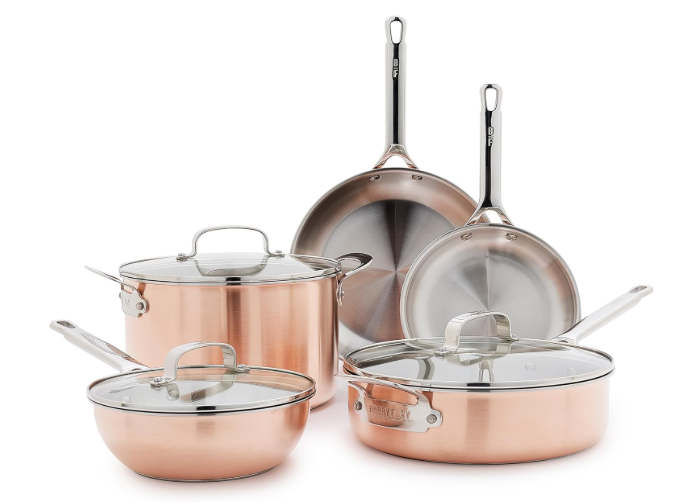
Using copper pans and pots does require some precaution. Acidic ingredients like tomatoes or vinegar can react with unlined copper, creating metallic flavors or toxicity. Cooking with copper pots can be safe if you stick to lined options and avoid overheating.
They are oven safe if the lining and handles allow, and their visual appeal makes them a centerpiece in any kitchen. Regular cleaning keeps them shiny and prevents tarnish, making them both practical and aesthetic.
What makes copper stand out
Copper has an unmatched reputation for superior heat conduction. You feel the difference instantly when cooking sauces or melting chocolate; the heat spreads evenly across the base and walls. That means fewer hot spots, less risk of scorching, and more precise control over cooking temperatures.
The shiny reddish-orange surface is not just eye-catching; it communicates quality and longevity. While stainless steel or aluminum may warp over time, copper holds its shape and can last decades if you treat it properly.
Many chefs swear by copper for tasks that require gentle and controlled heating, like custards, delicate sauces, or slow reductions. That said, copper on its own reacts with acidic foods, which can alter flavors and even introduce metallic notes. Lined copper pots, usually with stainless steel or tin, solve this issue while retaining all the heat advantages.
You’ll notice the instant responsiveness when stirring, whisking, or adjusting the flame, giving you confidence for more ambitious recipes. Investing in copper feels like owning a kitchen tool that merges art and functionality, making cooking both efficient and satisfying.
Why some cooks prefer copper cookware for sauces, caramel, and delicate recipes
For tasks requiring patience and finesse, copper really shines. Sugary mixtures, for instance, heat evenly and reduce the risk of burning or crystallization. You can see the difference immediately while stirring a caramel base; it thickens consistently, leaving fewer lumps or uneven patches. Sauces like béchamel or hollandaise benefit from gentle, even heat that prevents separation.
Well-seasoned chefs often mention that delicate proteins, like fish or soft eggs, perform better in copper because the heat is so responsive to small adjustments, letting you control cooking with surgical precision.
Some recipes that seem intimidating with other pans suddenly feel approachable because you can trust the pan to distribute heat without creating hotspots. The visual feedback is satisfying too; copper’s glow lets you quickly gauge temperature changes.
While it requires care, the rewards for precision tasks are tangible. Using copper pots and pans for such recipes allows you to produce restaurant-quality results at home, giving confidence and consistency.
Comparing copper cookware vs stainless steel or non-stick pans
| Feature | Copper | Stainless Steel | Non-Stick |
|---|---|---|---|
| Heat Conductivity | Excellent, rapid | Moderate | Slow to moderate |
| Durability | Very high, resists warping | High, resistant to scratches | Lower, coating can wear off |
| Maintenance | Requires polishing, careful cleaning | Easy, dishwasher safe | Easy, avoid metal utensils |
| Reaction to Acid | Needs lining | Non-reactive | Non-reactive |
| Cooking Precision | Outstanding for delicate sauces | Good, slower response | Limited, risk of overheating |
Health and safety is copper safe for cooking and what to watch out for
Safety is a frequent concern for many home cooks. Unlined copper can react with acidic foods like tomatoes, wine, or citrus, creating metallic flavors and potentially unsafe compounds. Using lined copper eliminates these risks. Stainless steel lining is particularly robust and can tolerate long cooking times, while tin lining is softer and may wear over time.
Another factor is avoid overheating, which can degrade the lining. For everyday cooking, lined copper is completely safe, offering all the benefits of heat control without introducing toxins. You may notice that certain recipes release small traces of copper if pans are scratched, so keeping an eye on the lining’s condition is smart.
Regular cleaning with gentle, non-abrasive methods preserves safety and appearance. Using copper pots and pans carefully ensures meals are both delicious and safe.
How lining and coating affect performance and safety of copper pots
| Lining Type | Safety | Heat Response | Longevity |
|---|---|---|---|
| Stainless Steel | Safe with acidic foods | Slightly slower than bare copper | Very durable |
| Tin | Safe but softer, can wear | Excellent heat response | Needs relining over time |
| Bare Copper | Not safe with acid | Best heat response | High, but reactive |
Cost and durability are copper pots worth the investment
Copper cookware is often viewed as premium-priced, but its durability and performance justify the investment for many. These pans can last decades if you care for them, meaning fewer replacements over time.
Unlike cheaper alternatives that warp, scratch, or lose conductivity, copper maintains its structural integrity and thermal responsiveness. You may spend more upfront, but think of it as a long-term partnership with your kitchen.
For chefs or avid home cooks, the control and consistency provided by copper translate to better outcomes and less frustration. The aesthetic appeal is a bonus; a polished copper pot adds a touch of elegance to your stove and can even become a talking point in your kitchen.
- Read More: 8 Best Copper Saucepans Picks & Buying Guide
Care and maintenance tips for keeping copper cookware in top condition
- Wash gently using warm water and mild dish soap. Avoid abrasive pads.
- Dry thoroughly to prevent water spots or tarnish.
- Polish with natural copper cleaner or a paste made from lemon and salt.
- Inspect linings regularly; reline tin as needed to maintain safety.
- Store in a dry area to avoid moisture damage or oxidation.
- Avoid sudden temperature changes that may warp the metal.
What to avoid foods and cooking methods not ideal for copper cookware
- Strongly acidic ingredients in unlined pans
- High-heat frying without lining
- Cooking with metal utensils on soft tin lining
- Leaving food in the pan for extended periods, which can wear linings
- Avoid dishwasher use for polishing preservation
Can copper cookware work on modern cooktops or induction stoves
Most traditional copper pots are not induction-compatible due to lack of magnetic base. Stovetops like gas, electric, and halogen work perfectly, offering responsive heat control. Some modern copper cookware includes stainless steel bases suitable for induction. For induction cooking, check the base; it should be magnet-friendly. Copper’s exceptional heat conduction still works best on open flame or radiant heat sources, allowing you to cook quickly and evenly.
Are copper pots oven safe and what to check before using them in oven – (Format: Paragraph)
Copper pots are often oven safe, but it depends on lining, handles, and any wooden or plastic parts. Stainless steel handles and fully lined interiors generally tolerate temperatures up to 500 degrees Fahrenheit.
Tin linings may have lower limits, and unlined copper can oxidize at very high heat. Using copper in the oven requires attention to these details to protect both food and pan, keeping cooking safe and efficient.
Troubleshooting common problems with copper cookware
- Tarnishing: Clean with lemon-salt paste or copper polish.
- Scratched lining: Avoid metal utensils; reline tin if necessary.
- Uneven heating: Ensure pan sits flat on the stove.
- Stuck food: Use proper preheating and avoid sudden temperature changes.
- Discoloration: Mild acidic cleaning can restore appearance without damaging metal.
How to choose top rated copper pots and pans
- Lined with stainless steel or tin for safety
- Even, thick copper for heat distribution
- Oven-safe handles and materials
- Size and depth suitable for your recipes
- Reputable brand with good reviews and warranty
- Induction compatibility if needed
FAQ
Can copper pots cause food to taste metallic
Yes, unlined copper reacts with acidic foods such as tomatoes or citrus, sometimes producing a metallic taste. Using lined copper pots prevents this problem, keeping flavors clean and safe. Inspecting linings regularly ensures meals remain unaffected.
How often should copper cookware be polished
Polishing frequency depends on use, but generally a monthly polish keeps the copper bright. Light cleaning after each use prevents buildup and oxidation. Simple natural methods, like lemon and salt paste, work effectively.
Is it safe to cook eggs in copper pots
Eggs cook evenly in copper due to rapid heat response. Always use lined copper to avoid reaction. Gentle stirring prevents sticking and helps achieve creamy, soft textures without scorching.
Can copper cookware be used for deep frying
Yes, lined copper can handle moderate frying, but avoid extreme high heat which may damage the lining. Its even heat reduces hotspots, creating consistent browning for fries or chicken.
Do copper pots need special storage
Store copper in a dry, ventilated area to prevent tarnish. Hanging pans or keeping them in a padded cupboard reduces scratches. Avoid stacking heavy cookware directly on top to maintain shape and lining integrity.
Learn More:
Discover New Articles: See Our Latest Updates
