
Yes, Carbon Steel Pans Safe! But What You Need to Know
Disclosure: As an Amazon Associate, I earn from qualifying purchases. Learn more
Carbon steel pans are safe to cook on and give you strong performance with simple care. These pans stay non toxic and support healthy cooking in everyday use.
You get a dependable surface that improves the more you use it, giving you a natural feel that fits both home kitchens and professional setups. A seasoned layer forms over time, helping the surface act more like a non stick option without synthetic coatings. You can use a carbon steel pan on the stove, in the oven, and even for baking, since the material stays stable under high heat. Many people say it feels comforting to cook on a pan that contains only iron and carbon, keeping your meals free from unwanted additives. You also gain peace of mind knowing carbon steel cookware stays strong enough to handle searing, sautéing, and oven finishing.
If you season your carbon steel skillet well, you get smoother results. You can season it on the stove by heating a thin oil layer until it bonds to the surface. This gives you reliable performance and helps the pan resist sticking. Many cooks compare carbon steel to stainless steel, and carbon steel often wins for heat response and lighter weight. Reviews often highlight the balance between durability and control, making these pans a smart pick for anyone wanting a healthy, long-lasting tool.
Is Carbon Steel Pan Safe? Assessing the Risks You Should Know
Carbon steel pans have become a popular choice in kitchens worldwide due to their versatility and performance. Still, questions around their safety are not uncommon. One of the primary concerns people have is the potential for chemical reactions while cooking. Unlike nonstick pans, carbon steel doesn’t have a protective coating, which means it can interact with certain foods. However, this doesn’t necessarily mean it’s dangerous.
Carbon steel pans can develop a patina or seasoning over time, which helps to prevent rust and minimize food contact with the raw metal. The material is made from iron and carbon, both of which are naturally occurring elements. The main risk involves the potential leaching of iron into your food. While small amounts of iron can be beneficial in your diet, excessive exposure might lead to health concerns, especially for those with iron overload conditions. However, this leaching is minimal when the pan is properly seasoned and cared for.
There’s also the concern about high temperatures. Since carbon steel pans are highly responsive to heat, they can reach extremely high temperatures quickly, which can sometimes cause damage to the seasoning layer. This can, in turn, expose the raw iron.
But overall, as long as you use it correctly, the safety risks are relatively low, and many people enjoy the performance and long-term durability that carbon steel provides.
How Iron Leaching Works in Carbon Steel and Whether It’s Safe for Cooking
When using carbon steel pans, iron leaching is something to be aware of, especially if you cook with acidic foods like tomatoes or vinegar. Iron is a naturally occurring metal, and the metal in the pan can dissolve into the food under certain conditions. This is known as leaching.
In theory, the higher the acidity of the food, the more likely iron leaching is to occur. However, the amount of iron that leaches from the pan into the food is minimal unless the pan is in poor condition, such as being improperly seasoned or damaged. For most people, iron leaching is not a significant health concern because iron is an essential nutrient and often consumed in small amounts.
For those with iron deficiency, cooking with a carbon steel pan can actually be beneficial because it may help supplement iron intake. On the other hand, for those who have iron overload conditions like hemochromatosis, leaching could potentially be more problematic. In such cases, it’s important to monitor the amount of iron consumed through food.
In summary, proper seasoning of the carbon steel pan helps mitigate iron leaching, and for most people, the amount of iron transferred into food is not harmful.
Is Carbon Steel Cookware Non-Toxic? A Look at Its Ingredients and Chemistry
You may be wondering if carbon steel cookware is non-toxic or if the materials used in its construction pose a risk to your health. The truth is, carbon steel is made from just two primary components: iron and carbon. These elements are naturally occurring, and they do not contain harmful chemicals or toxins that could leach into your food during cooking.
When seasoning a carbon steel pan, the process involves applying a thin layer of oil to the surface and heating it until the oil polymerizes. This process creates a protective, non-stick layer that helps prevent the iron from coming into direct contact with food. The oil used during seasoning doesn’t introduce any toxic substances into the pan, as long as you stick to food-safe oils like vegetable oil, flaxseed oil, or sunflower oil.
So, is carbon steel cookware toxic? No, it isn’t. It’s as safe as cooking with any other kind of metal cookware, provided you season it properly and use it according to the guidelines. The absence of coatings like Teflon means you don’t have to worry about potentially harmful chemicals breaking down over time, which can be a concern with nonstick pans.
Carbon Steel vs Stainless Steel Frying Pans: Safety and Reactivity Comparison
| Feature | Carbon Steel | Stainless Steel |
|---|---|---|
| Material Composition | Iron and carbon | Iron and chromium |
| Reactivity with Food | Reacts more with acidic foods like tomatoes | Less reactive with acidic foods |
| Non-Stick Properties | Needs to be seasoned for a non-stick surface | Naturally less sticky but can be prone to food sticking |
| Durability | Can last a lifetime if properly maintained | Extremely durable, resistant to corrosion |
| Health Considerations | Minimal iron leaching; non-toxic if properly seasoned | Non-toxic, but can sometimes leach nickel (especially with poor-quality stainless) |
| Ease of Cleaning | Requires careful cleaning to prevent rust | Easier to clean and more resistant to staining |
| Cooking Style | Excellent heat retention and responsiveness | Heats evenly but can be slower to adjust to temperature changes |
While both carbon steel and stainless steel pans are safe to cook with, carbon steel pans tend to react more with foods, particularly acidic ones, due to the presence of iron. This means they require more care in seasoning to create a protective layer that prevents such reactions. On the other hand, stainless steel pans are less reactive and easier to clean, but they don’t offer the same heat retention as carbon steel.
If you’re someone who enjoys cooking at high temperatures or wants a pan that improves with use, a carbon steel pan might be the better choice. However, if ease of cleaning and low maintenance are more important to you, stainless steel may be preferable.
Why Pre-Seasoned Carbon Steel Pans, Like the Merten & Storck 12″, Are Safer for Beginners
If you’re just getting into using carbon steel pans, opting for a pre-seasoned pan, such as the Merten & Storck 12″, can significantly reduce the learning curve. Pre-seasoned pans come with an initial layer of seasoning, meaning you don’t need to worry about applying the first coat yourself. This can be especially helpful for beginners who are unsure how to properly season their pans and might accidentally cause damage during the process.
- Best Choice: Merten & Storck Pre-Seasoned Carbon Steel Frying Pan
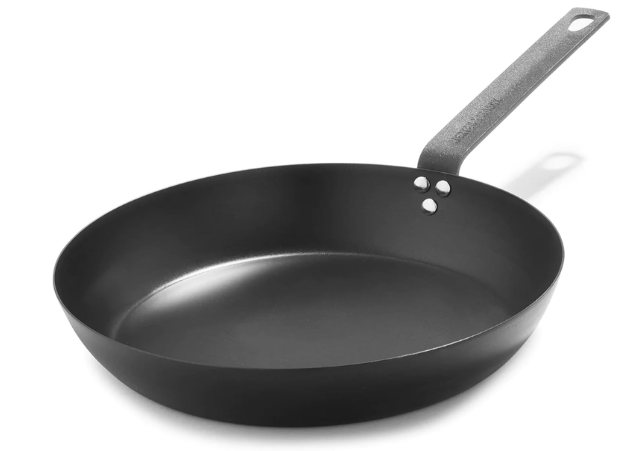
The seasoning layer on these pre-seasoned pans helps prevent food from sticking, reduces the risk of rusting, and makes the pan safer to use right out of the box. Plus, it eliminates the need to deal with oils and the potentially messy seasoning process. This extra layer of protection means the pan can withstand cooking higher-heat dishes and acidic foods without compromising safety.
For those who are new to carbon steel cooking, a pre-seasoned pan can give you the confidence to cook safely and effectively without worrying about the learning curve associated with seasoning from scratch.
Proper Usage of Carbon Steel Pans: Cooking Acidic Foods, Oven Use, and Heat Limits
To ensure the safety of your carbon steel pan, there are a few guidelines to follow for proper usage, especially regarding heat and food types.
Avoid cooking highly acidic foods (like tomatoes, citrus, or vinegar) in a carbon steel pan unless it is well-seasoned. Acidic ingredients can break down the seasoning layer, leading to iron exposure and potential off-flavors.
Limit the pan’s heat exposure. While carbon steel can withstand high temperatures, constant exposure to extreme heat can degrade the seasoning and eventually damage the pan. Always allow the pan to cool down slowly.
Oven use is generally safe, as long as the pan is not too hot when placed in the oven. If you’re using it in the oven, make sure that any handles are oven-safe and won’t deteriorate under high heat.
How to Season a Carbon Steel Skillet Correctly for Maximum Protection
Proper seasoning is the key to ensuring your carbon steel skillet is safe and functional for the long term. Here’s a simple step-by-step guide to get it right:
Clean the pan thoroughly to remove any factory coating or oil. Use warm water and a stiff brush, but avoid soap.
Dry the pan completely. Any moisture left on the pan can cause rust to form.
Apply a thin layer of oil (vegetable oil, flaxseed oil, or sunflower oil work best) to the pan, covering the entire surface, inside and out.
Place the pan upside down in a preheated oven at around 400°F, with a piece of aluminum foil on the lower rack to catch any drips. Bake for an hour.
Allow the pan to cool completely before using it again. Repeat this process 2-3 times for an effective, non-stick coating.
By following these steps, you will create a protective, durable layer that prevents rust and ensures safe cooking.
Carbon Steel Pan Care: Cleaning, Drying, and Preventing Safety Issues
Caring for your carbon steel pan is essential to maintaining its safety and performance over time. Here are some quick tips:
- Clean the pan immediately after use with warm water and a brush. Avoid using soap, as it can strip away the seasoning.
- Dry the pan thoroughly with a towel or heat it on the stove to ensure no moisture remains. This prevents rust from forming.
- Re-season the pan if the seasoning layer looks worn or if you notice food sticking. This will help keep it in top condition.
- Store the pan in a dry place, and consider applying a thin layer of oil before storing
Learn More: Best Crepe Pans – Top 6 Picks Reviewed
Discover New Articles: See Our Latest Updates
