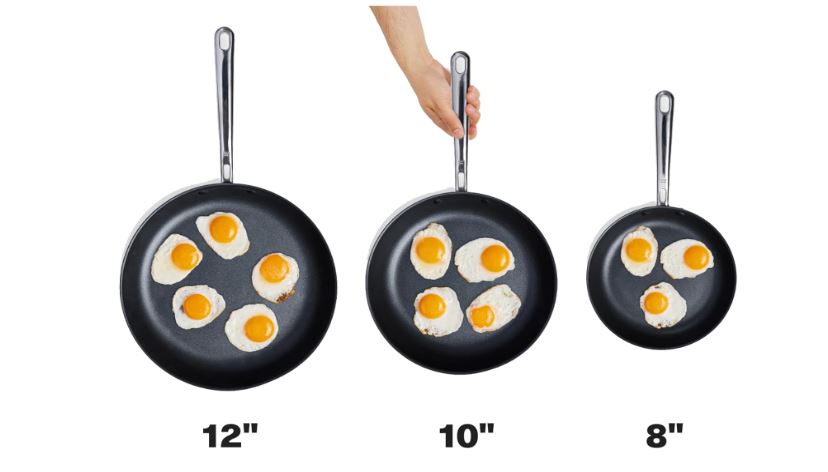
Misen Carbon Steel Pans Pros And Cons Compared With Other Cookware
Disclosure: As an Amazon Associate, I earn from qualifying purchases. Learn more
Carbon steel cookware has gained attention as a long-term alternative to coated nonstick and heavy cast iron. The Misen carbon steel pan often appears in this conversation, promising durability, high-heat cooking, and a naturally nonstick surface without chemical coatings. Yet many home cooks feel unsure after using it.
You may notice food sticking when cooking eggs, confusion around seasoning, or questions about safety and maintenance. Some users praise its fast heating and versatility, while others struggle to get consistent results early on.
Most of this confusion comes from treating carbon steel like stainless steel or nonstick cookware. Carbon steel behaves differently and demands slightly different habits. This review breaks down how the Misen carbon steel pan actually performs, its real pros and cons, common problems, and how to use it correctly so it works as intended in everyday kitchens.
How a Misen Carbon Steel Pan Performs in Everyday Cooking
A Misen carbon steel pan is designed to bridge the gap between cast iron and traditional nonstick cookware. It heats faster than cast iron, tolerates high temperatures better than nonstick, and develops a natural release surface over time through seasoning.
Unlike stainless steel, carbon steel does not rely on polished metal to reduce sticking. Instead, it builds a protective oil layer that improves with use. This makes early cooking experiences feel inconsistent, especially for users expecting instant nonstick behavior.
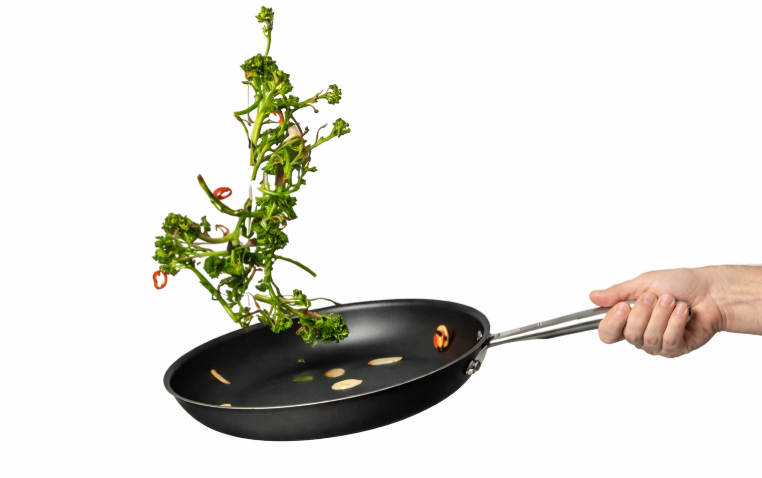
In daily cooking, the pan excels at searing meats, sautéing vegetables, shallow frying, and oven finishing. It responds quickly to heat adjustments and works well on gas, electric, and induction cooktops. However, delicate foods require proper preheating and oil management.
Once seasoned and used consistently, the pan becomes more forgiving. It rewards technique rather than convenience, which explains why experiences vary so widely between users.
Misen Carbon Steel Pan Review Product Recommendation
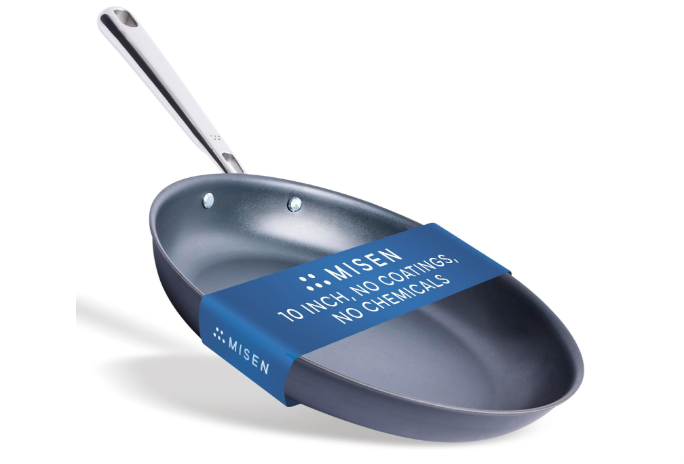
The Misen Carbon Nonstick Frying Pan 10 Inch is well-suited for cooks looking for a carbon steel pan that balances durability with everyday usability. It uses a naturally nonstick, no-coating surface that improves with seasoning, while remaining compatible with induction and gas cooktops and fully oven safe for high-heat cooking. The lighter carbon steel build makes it easier to handle than cast iron without sacrificing searing performance, aligning with the long-term cookware approach of Misen.
Misen Carbon Nonstick Frying Pan 10 Inch is a strong option for users who want a naturally nonstick carbon steel pan that works across induction and gas ranges while handling high heat with confidence → View on Amazon
How to Season or Reseason a Misen Carbon Steel Fry Pan
- Wash off protective oils and dry fully
- Heat the pan until the moisture evaporates
- Apply a very thin oil layer
- Heat until smoking
- Let cool and repeat if needed
Thin layers are critical. Thick oil creates sticky residue instead of durable seasoning. Regular cooking reinforces seasoning naturally over time.
Why Food Sticks on a Misen Carbon Steel Pan?
Cause one is light factory seasoning. Preseasoned carbon steel pans are protected, not fully nonstick. Without reinforcing the seasoning, food will cling.
Cause two is improper preheating. Adding oil before the pan reaches temperature prevents oil from bonding correctly to the surface.
Cause three is moisture exposure. Wet ingredients and overcrowding interrupt seasoning formation.
Cause four is aggressive cleaning. Scrubbing or dishwashing removes developing seasoning layers.
The effect is uneven cooking performance, patchy surfaces, and frustration. When these causes are addressed, sticking decreases significantly within days of regular use.
Misen Carbon Steel Pan Pros And Cons
Pros
- Naturally nonstick with use
- No chemical coatings
- Handles high heat and oven use
- Lighter than cast iron
- Metal utensil safe
Cons
- Requires seasoning and maintenance
- Not dishwasher safe
- Learning curve for eggs and fish
- Sensitive to moisture when new
These pros and cons reflect the nature of carbon steel itself rather than flaws specific to the pan.
Misen Carbon Steel Pan vs Other Cookware Types
| Feature | Carbon Steel | Stainless Steel | Cast Iron | Nonstick |
|---|---|---|---|---|
| Weight | Medium | Medium | Heavy | Light |
| Nonstick Ability | Improves with use | Low | Improves slowly | High initially |
| Heat Tolerance | Very high | Very high | Very high | Limited |
| Maintenance | Moderate | Low | High | Low initially |
| Coating Concerns | None | None | None | Present |
Carbon steel sits between convenience and durability, making it suitable for cooks who want performance without disposable coatings.
Cooking Eggs and Delicate Foods Without Sticking
Imagine preheating the pan properly, adding oil after it is hot, and lowering the heat slightly before adding eggs. The eggs release naturally once the proteins set. This timing-based approach replaces reliance on coatings.
Carbon steel rewards patience. If food resists flipping, it is not ready. With practice, delicate foods become reliable.
Cleaning and Maintaining a Carbon Steel Pan Safely
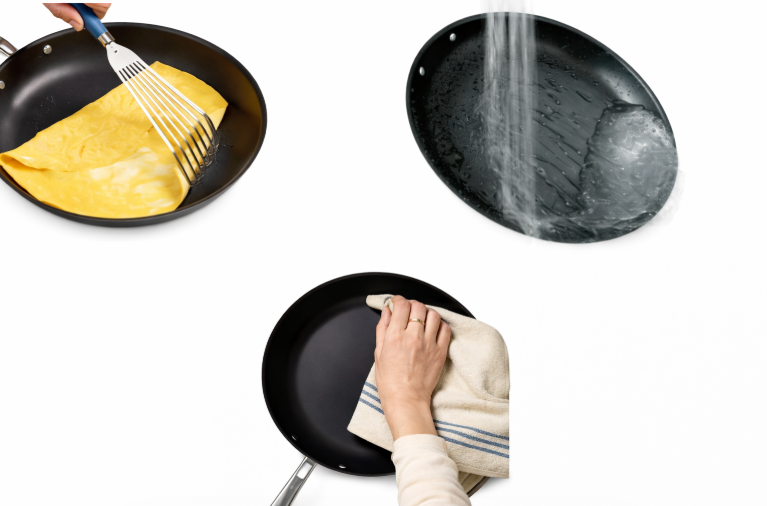
- Wash with warm water
- Use gentle tools only
- Dry over heat immediately
- Lightly oil before storage
- Avoid dishwashers
Soap is acceptable in small amounts if followed by drying and oiling.
Common Mistakes That Reduce Performance
Treating carbon steel like nonstick, overheating empty pans, storing while damp, and frequent full reseasoning are the most common mistakes. Consistent habits prevent most issues.
Design, Safety, and Practical Use Notes
Materials and Construction
The pan is made from high-carbon steel with no synthetic coatings, allowing it to develop a natural release surface.
Heat and Oven Use
It is oven safe and compatible with induction, gas, and electric ranges.
Safety Profile
Without PTFE or ceramic coatings, it avoids concerns related to coating degradation.
Intended Use
This design reflects the cookware philosophy of Misen, focusing on durability and long-term use rather than disposable surfaces.
FAQs
Are Misen carbon steel pans safe for everyday cooking?
Yes. When seasoned correctly, the surface is formed from polymerized cooking oils rather than chemical coatings. This makes it suitable for daily high-heat cooking without coating breakdown concerns.
Are Misen carbon steel pans dishwasher safe?
No. Dishwashers strip seasoning and promote rust. Hand washing preserves performance and longevity.
Do Misen carbon steel pans work on induction cooktops?
Yes. Carbon steel is magnetic and works efficiently on induction surfaces.
How long does it take to become nonstick?
Most improvement appears within one to two weeks of regular cooking. Full performance develops gradually with consistent use.
Is carbon steel better than stainless steel?
Carbon steel offers better natural nonstick potential and high-heat cooking. Stainless steel requires less maintenance. Many kitchens benefit from using both.
Practical Takeaways for Long-Term Use
The Misen carbon steel pan is not instant-gratification cookware. Its performance depends on seasoning, heat control, and consistent care. Most issues come from mismatched expectations rather than defects.
When used correctly, it delivers high heat performance, durability, and a naturally improving cooking surface without chemical coatings. For cooks willing to adjust technique slightly, carbon steel becomes more reliable over time and often replaces multiple pans in everyday cooking.
Suggested Reading:
Discover New Articles: See Our Latest Updates
