Signs Your Dryer Is Overheating and How To Keep It Safe

Dryers are a staple in almost every household, but sometimes they can behave unpredictably. You may notice that your dryer is hot to the touch when not running, or the top of the dryer feels unusually warm. These are signs that something could be wrong, yet it’s often confusing to know when heat levels are normal or dangerous.
Many people ask, should a dryer be hot to the touch, or worry about why their Whirlpool dryer is overheating and shutting off. Excessive heat can lead to burning smells, premature wear, or even sudden shutdowns, which can interrupt your laundry routine and pose safety concerns.
Understanding how hot a normal dryer gets, what triggers overheating, and the steps you can take to prevent damage will give you peace of mind while keeping your home safe.
Why Dryers Get Too Hot and What It Means
A dryer generates heat to remove moisture from clothes, but sometimes it becomes hotter than normal. When your dryer is hot on top or emits a burning smell, it is often a warning sign that airflow is restricted, internal components are failing, or sensors are malfunctioning.
Dryers are designed to operate within a safe temperature range, but exceeding this range can cause overheating and automatic shutdowns, especially in Whirlpool or Maytag models. Knowing what “too hot” looks like helps prevent damage.
Real-life signs include clothes that feel unusually warm after a normal cycle, the dryer drum being extremely hot, or the unit shutting off unexpectedly. Addressing overheating quickly reduces the risk of fire hazards and appliance wear.
Common Causes of Dryer Overheating and Shutting Off
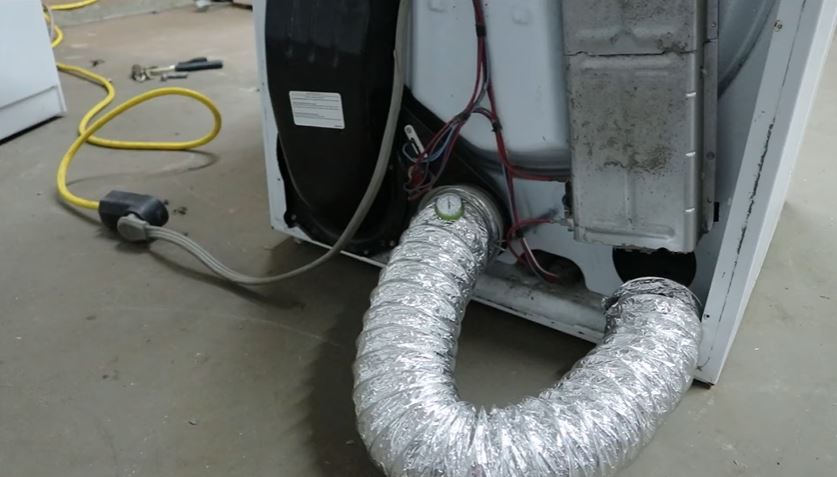
Dryers may overheat for several reasons. Lint buildup in vents or filters blocks airflow, forcing the heater to run hotter. A malfunctioning thermostat or thermal fuse can prevent the dryer from regulating temperature properly.
Some Whirlpool dryers have specific design issues that trigger shutdowns when sensors detect excess heat. Overloading the dryer or running multiple long cycles without breaks also contributes. Even using incorrect dryer settings can cause dryers to run too hot.
Understanding these causes allows you to identify the problem quickly and take corrective action. Regular maintenance and attention to warning signs like a burning smell or unusually hot surfaces, are essential.
How Hot Does a Normal Dryer Get Celsius
| Dryer Type | Normal Temperature Range | Notes |
|---|---|---|
| Standard Electric | 50–70°C | Typical household cycles |
| High Heat Setting | 70–85°C | Only for heavy fabrics |
| Gas Dryer | 50–65°C | Slightly lower surface temperatures |
| Top Surface | 30–40°C | Top of dryer may feel warm but not hot |
Knowing these ranges helps you determine if your dryer is too hot to touch or running above its intended temperature. Temperatures significantly above these values are unsafe and should be addressed immediately.
Symptoms of a Dryer Running Too Hot
The dryer is hot to the touch when not running
If the dryer’s exterior or top is unusually hot, it could indicate residual heat from overheating cycles or blocked airflow.
Burning smells or smoke
A dryer overheating, burning smell is a clear warning. It can come from lint, electrical components, or overheated fabric residues.
Automatic shutdowns
Models like Whirlpool dryer overheating and shut off or Maytag dryer overheats and shut off are built to prevent fires. Frequent shutdowns indicate recurring heat issues.
Clothes are taking longer to dry
Excessive heat can actually reduce efficiency if the airflow is compromised, causing cycles to run longer than normal.
Step-By-Step Fixes for an Overheating Dryer
- Unplug the dryer before inspecting. Safety first.
- Clean the lint filter and vent thoroughly. Blocked vents are the leading cause of overheating.
- Check for airflow blockages in the vent hose and outside vent.
- Inspect the thermal fuse or thermostat for continuity using a multimeter. Replace if faulty.
- Reduce load sizes to allow proper airflow.
- Avoid using high-heat settings for delicate fabrics.
- Test the dryer on an empty cycle to ensure the temperature returns to normal.
Practical Solutions for Whirlpool or Maytag Dryer Overheating
Some Whirlpool and Maytag models are prone to overheating and shutting off. Scenario-based fixes include:
- Whirlpool dryers: Inspect the moisture sensor; clean it with a mild soap solution. Faulty sensors often misread humidity, causing unnecessary heat.
- Maytag dryers: Check the control board if the dryer cycles shut off mid-dry. Resetting or replacing the board may resolve overheating.
- General tip: Avoid stacking dryers or placing them in tight spaces, which traps heat and worsens performance.
Long-Term Prevention Tips for a Dryer That Gets Too Hot
- Clean lint filters after every cycle
- Inspect the venting system every 6 months for blockages
- Avoid overloading the dryer to maintain airflow
- Use the dryer temperature guide in Celsius to set appropriate heat levels
- Schedule annual maintenance for sensors, thermostats, and fuses
- Keep the surrounding area clear of flammable objects
- Monitor unusual smells or surface heat regularly
This checklist minimizes overheating risks and prolongs dryer lifespan.
Situations That Worsen Dryer Heat Issues
- Running multiple heavy cycles consecutively heats internal components
- Ignoring vent buildup reduces airflow, causing the heater to work harder
- Placing dryers in small closets or tight spaces traps heat
- Using high-heat cycles unnecessarily for lightweight fabrics
Recognizing these situations allows you to adjust routines and prevent unsafe temperatures.
Quick Reference Comparison of Causes and Fixes Using Dryer Temperature Guide Celsius
| Cause | Symptom | Fix |
|---|---|---|
| Lint buildup | Dryer hot on top, long cycles | Clean lint trap and vent |
| Faulty thermostat | Dryer overheating, shutdown | Replace thermostat |
| Sensor malfunction | Clothes still damp, high heat | Clean or replace moisture sensor |
| Overloaded dryer | Hot surfaces, shutdowns | Reduce load size |
| High-heat misuse | Burning smell | Use appropriate temperature setting |
This table helps quickly match symptoms with solutions and maintain safe dryer temperatures.
FAQs
Why is my dryer hot to the touch when not running
If your dryer feels hot even when turned off, it may be retaining residual heat from a long cycle or have internal issues like blocked vents or a malfunctioning thermostat. Check airflow and inspect components for signs of wear. Regular cleaning and smaller load sizes reduce this risk and keep your dryer running safely.
Can a dryer overheat and shut off on its own
Yes. Modern dryers are equipped with thermal fuses or sensors that trigger shutdowns when temperatures exceed safe limits. This is common in models like Whirlpool or Maytag dryers. Frequent shutdowns indicate recurring airflow issues, blocked vents, or faulty sensors that require inspection.
What does it mean if my dryer smells burnt
A burning smell often indicates overheating. Causes include lint buildup, overheating electrical parts, or using too high a heat setting. Ignoring it may cause damage or pose safety hazards. Always clean vents and check internal components if the smell persists.
How hot should a dryer get normally
Most dryers operate between 50°C and 70°C, depending on settings. The top surface may feel warm, but should not be uncomfortable to touch. Anything consistently higher may signal overheating or blocked airflow. Using a dryer temperature guide in Celsius helps maintain safe operation.
Why does my Whirlpool dryer keep overheating and shutting off
Whirlpool dryers may overheat due to blocked vents, faulty moisture sensors, or thermostat issues. Ensure the lint filter and vents are clean, check sensors for proper function, and reduce load sizes. Persistent issues may require professional inspection or component replacement.
- Read Also: 5 Best 5-Cup Coffee Makers for The New Year
Discover New Articles: See Our Latest Updates
