
7 Best Alcohol Stoves Reviewed for 2026

Disclosure: As an Amazon Associate, I earn from qualifying purchases. Learn more
The best alcohol stove for you depends on how you travel. Ultralight hikers want the lowest pack weight, boaters want something stable and simple to refuel, and weekend campers want an easy start without valves or pumps. This guide compares seven stoves that burn denatured alcohol, and it explains what each one does well and where it falls short.
Alcohol stoves are simple, but they are not forgiving. They have no shut-off valve, the flame can be hard to see in daylight, and wind can cut performance sharply.
We picked the ALOCS for its adjustable two-level flame and leak-proof cover, and the Gexdes for its lightweight, pocket-size build, so both camping comfort and ultralight backpacking needs are covered.
Our Choice
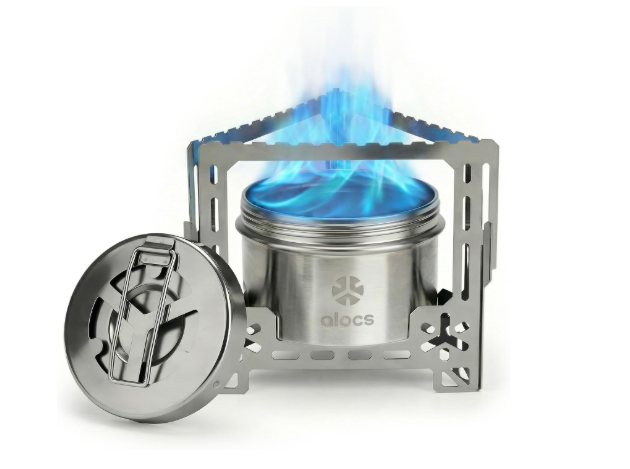
ALOCS Alcohol Stove Set
- Two-level flame control
- Foldable, tool-free setup
- Leak-proof silicone seal cover
Solid Pick
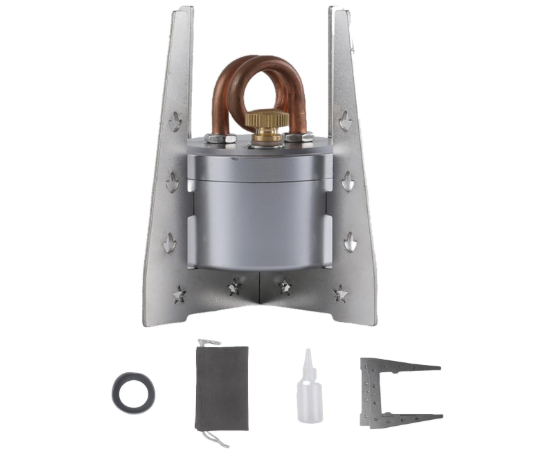
Gexdes Mini Alcohol Stove
- Ultra-light pocket size
- Foldable stand and fuel bottle
- Copper tube fuel vaporizing
Read the safety notes before you buy, so the stove you choose fits both your trip and the place where you will use it.
REDCAMP Mini Alcohol Stove – Best Alcohol Stove for Backpacking
The REDCAMP Mini Alcohol Stove combines a brass burner with an aluminum alloy stand, offering stability and durability for outdoor cooking. At only 5 ounces, it is lightweight and portable, making it one of the best alcohol stoves for camping and hiking. The integrated windscreen helps maintain steady performance, while the foldable flame regulator allows precise control.
Its combustion holes improve ventilation, ensuring efficient burning with denatured alcohol. A rubber seal prevents leaks and evaporation, adding reliability for extended trips.
User Experiences Users appreciate its portability, stable stand, and efficient flame control.
Special Feature Flame regulator with foldable handle.

Core Advantages
- Lightweight brass construction
- Stable aluminum stand
- Efficient combustion holes
- Portable velvet bag included
- Leak-preventing rubber seal
Works Well With
- Camping cookware
- Hiking pots and pans
- Backpacking gear
- Outdoor cooking kits
Important Reminder: Use only with denatured alcohol; avoid enclosed spaces.
Trangia Spirit Burner – Best Alcohol Camp Stove
The Trangia Spirit Burner is a classic denatured alcohol stove known for its simplicity and reliability. Constructed from brass, it features a screwcap with a rubber seal to prevent fuel evaporation. Its simmer ring allows adjustable flame control, making it versatile for cooking outdoors.
Compact and durable, this stove is widely regarded as one of the best alcohol stoves for camping, especially for boat trips or minimalist backpacking.
User Experiences Users highlight its durability, easy flame control, and leak-proof design.
Special Feature Simmer ring with adjustable flame.

Core Advantages
- Brass construction
- Screwcap with seal
- Adjustable simmer ring
- Compact design
- Reliable performance
Works Well With
- Trangia cook sets
- Camping cookware
- Backpacking kits
- Outdoor pots
Important Reminder: Ensure the cap is tightened to prevent fuel leakage.
Keweis Portable Ultralight Stove – Best Ultralight Alcohol Stove
The Keweis Portable Ultralight Stove is designed for hikers seeking minimal weight. Made from durable aluminum alloy and stainless steel, it offers stability while remaining compact. Its lightweight build makes it one of the best ultralight alcohol stoves for backpacking.
The stove is easy to assemble and compatible with standard cookware, making it suitable for outdoor cooking in varied conditions.
User Experiences Users value its ultralight design and ease of use.
Special Feature: Compact foldable stand.

Core Advantages
- Ultralight construction
- Stable alloy frame
- Easy assembly
- Compact storage
- Durable materials
Works Well With
- Hiking cookware
- Camping pots
- Backpacking kits
- Outdoor cooking sets
Important Reminder: Use on stable surfaces; avoid windy conditions without a shield.
Solo Stove Alcohol Burner – Best Alcohol Stove for Camping
The Solo Stove Alcohol Burner is crafted from brass and designed to pair with Solo Stove gear. It includes a flame regulator and a screwcap with a rubber seal to prevent fuel evaporation.
Compact and efficient, it is considered one of the best alcohol stoves for camping, offering reliable performance for outdoor cooking.
User Experiences Users praise its compatibility with Solo Stove gear and efficient burn.
Special Feature: Integrated flame regulator.

Core Advantages
- Brass construction
- Screwcap with seal
- Flame regulator
- Compact design
- Reliable burn
Works Well With
- Solo Stove gear
- Camping cookware
- Hiking pots
- Backpacking kits
Important Reminder: Use only with denatured alcohol; store sealed when not in use.
Kuvik Titanium Alcohol Stove – Best Alcohol Stove for Backpacking
The Kuvik Titanium Alcohol Stove is built from titanium, offering strength with minimal weight. Its corrosion resistance and durability make it one of the best alcohol stoves for backpacking.
The stove is compact and designed for efficient fuel use, making it suitable for extended outdoor trips.
User Experiences Users appreciate its lightweight titanium build and durability.
Special Feature: Titanium construction.

Core Advantages
- Titanium build
- Lightweight design
- Corrosion resistant
- Compact size
- Efficient fuel use
Works Well With
- Backpacking cookware
- Camping pots
- Hiking gear
- Outdoor cooking kits
Important Reminder: Avoid overfilling; the titanium surface may discolor with heat.
Vargo Triad Multi-Fuel Stove – Best Alcohol Boat Stove
The Vargo Triad Multi-Fuel Stove is a versatile option, compatible with alcohol and solid fuel tablets. Made from durable stainless steel, it is compact and stable.
Its multi-fuel capability makes it one of the best alcohol boat stoves, offering flexibility for varied outdoor conditions.
User Experiences Users note its versatility and solid build quality.
Special Feature: Multi-fuel compatibility.

Core Advantages
- Stainless steel build
- Multi-fuel use
- Compact design
- Stable frame
- Durable construction
Works Well With
- Alcohol fuel
- Solid fuel tablets
- Camping cookware
- Hiking pots
Important Reminder: Allow cooling before refueling; avoid enclosed use.
TOAKS Titanium Siphon Stove – Best Alcohol Camping Stove
The TOAKS Titanium Siphon Stove is crafted from titanium, offering ultralight strength and durability. Its siphon design ensures efficient fuel distribution, making it one of the best alcohol camping stoves for minimalist hikers.
Compact and corrosion-resistant, it is ideal for long-distance backpacking trips.
User Experiences Users highlight its ultralight build and efficient siphon design.
Special Feature: Siphon-style fuel system.

Core Advantages
- Titanium construction
- Ultralight design
- Efficient siphon system
- Corrosion resistant
- Compact size
Works Well With
- Camping cookware
- Hiking pots
- Backpacking kits
- Outdoor cooking sets
Important Reminder: Use only with denatured alcohol; ensure stable placement.
Why Outdoor Cooks Choose an Alcohol Stove
Alcohol stoves earn their place in a pack because they are light, compact, and mechanically simple. There is no pump, regulator, or valve to fail, so there is less to break far from a trailhead.
They also run quietly. Compared with a pressurized canister stove, the soft flame makes camp feel calmer, which many hikers value on solo trips.
Denatured alcohol is easy to find at hardware stores and marine suppliers, and you can carry just the amount you need in a small bottle. That flexibility suits short trips and long thru-hikes alike.
The trade-offs are real. Alcohol gives less heat per ounce than most pressurized fuels, wind has a large effect, and a simple burner has no shut-off valve. Boil times are usually slower than with canister stoves.
Alcohol is flammable, and denatured alcohol is poisonous if swallowed, so careful handling matters more than stove choice. Treat the stove as a tool that rewards patience and planning.
What a Denatured Alcohol Stove Does Well
A denatured alcohol stove shines when simplicity matters. You pour in fuel, light it, and cook, with no priming, pumping, or threaded canisters to match.
Fuel is easy to source and easy to measure. Because it is a liquid, you can see how much is left, and you can top up a small bottle at nearly any hardware store. For a closer look, see alcohol stove fuel options.
Cleanup is light, too. The flame burns fairly clean, though some soot on the pot is normal, and a quick wipe once the stove is cool keeps it ready.
Handle the fuel with care. Vapors can ignite near an open flame, and a spill can spread a fire quickly, so refuel only when the stove is cool and away from any flame.
Keep the fuel in a clearly labeled bottle that nobody could mistake for a drink.
Alcohol Stoves Versus Canister and Wood Models Compared
Choosing between stove types comes down to weight, speed, control, and convenience. Each type trades one for another, so the right pick depends on your trip.
Alcohol stoves are very light and quiet, with fuel you can measure by eye. They boil more slowly than canister stoves, have limited flame control, and have no shut-off valve.
Canister stoves heat quickly, offer precise flame control, and can be shut off instantly. They are heavier overall, and you need to carry or find the right canister.
Solid fuel stoves are very light and simple but give limited heat and little control. Wood stoves let you cook on found fuel, but they are often bulkier and smokier.
If you cook for one or two people and carry little, alcohol is hard to beat. For groups or cold weather, a canister stove often fits better. Our alcohol versus canister stoves comparison covers the differences in depth.
Choosing the Best Alcohol Stove for Your Trip
Start with how you will use it. A solo thru-hiker needs different features from a boater or a weekend camper, so decide your priorities before you compare specs.
Material matters for weight and durability. Titanium is the lightest of the common options, aluminum sits in the middle, and brass is heavier but sturdy and handles rough treatment well.
Check the flame control. A simmer ring or regulator helps you cook rather than only boil, and a screwcap with a seal keeps fuel from leaking or evaporating in your pack.
Stability counts too. Look for a wide base and a pot stand that fits your cookware, since a stove that tips is both a spill and a fire risk.
Finally, match capacity to your habits. A larger fuel reservoir means fewer refills but more weight, so pick what your trips actually need rather than the lowest number on the scale.
Using an Alcohol Boat Stove Safely on the Water
A boat adds motion, tight spaces, and limited escape routes, so galley cooking needs extra care. Mount the stove securely, or use one designed for marine use, so it cannot slide or tip while the boat moves.
Fill the fuel reservoir only when the stove is completely cool and the flame is fully out. Use a small funnel to avoid spills, wipe up any drips before lighting, and keep fuel bottles sealed and away from heat.
Ventilate the cabin or galley while you cook, since any open-flame stove uses oxygen and releases combustion gases. Keep curtains, towels, and loose clothing well away from the flame.
Light the stove with a long lighter, keep your hands clear, and never leave a lit stove unattended. Keep a fire extinguisher suited to the boat within easy reach, and know how to use it.
Let the flame go out completely before you move the stove or refill it, and check the area afterward for spills.
Setting Up Your Alcohol Stove at the Campsite
Pick a flat, bare spot and clear leaves, pine needles, and dry grass for several feet around the stove. A stable surface prevents spills, and bare ground keeps stray sparks from finding fuel.
Fill the stove away from the cooking spot, cap the fuel bottle, and move it a good distance from the flame before you light up. Never refuel a stove that is hot or still burning.
Set the pot stand firmly and center the pot so the weight is even. If wind picks up, add a windscreen, but leave air gaps so the flame still gets enough oxygen.
Test the flame before you start cooking. Know how you will put it out, whether with a snuffer cap or by letting the fuel burn off, and keep water within reach.
Let the stove cool completely before you pack it in a protective pouch to avoid dents.
Storing Denatured Alcohol Safely at Home and Trail
Store denatured alcohol in a tightly sealed, clearly labeled container made for fuel. A good seal slows evaporation and keeps moisture out.
Keep it in a cool, dry place away from sunlight, heat sources, and open flames. A shelf away from the water heater or a locked cabinet works better than a warm car.
Denatured alcohol is poisonous if swallowed. Never pour it into a drink bottle or food container, and keep it out of reach of children and pets.
On the trail, carry only what you need in a small bottle, keep it upright, and pack it away from food. Check the cap seal before each trip.
Dispose of old or contaminated fuel under your local household hazardous waste rules rather than pouring it on the ground.
Easy Meals That Suit an Alcohol Camping Stove
An alcohol stove excels at boiling water, so plan meals that need little more than a pot of hot water. That keeps fuel use and cooking time low.
Instant oatmeal, couscous, instant noodles, and dehydrated meals all rehydrate in boiling water, so they suit a simple setup. Coffee, tea, and cocoa are easy wins.
Meals that need long simmering are harder, because many alcohol stoves have limited flame control. If you want to cook rice or pasta, use a lid, a wide pot, and a pot cozy so the food finishes in the heat you already made.
Cut ingredients small ahead of time, and soak grains or beans before the trip when you can, so they cook faster.
Simple Habits That Improve Alcohol Stove Performance
Small habits make an alcohol stove far more reliable. Put a lid on the pot every time, since it traps heat and shortens boil time.
Match the pot to the stove. A wide, flat-bottomed pot catches more heat than a narrow one, and a pot that sits steadily on the stand wastes less flame.
Keep your lighter or matches in a waterproof bag, and practice lighting and snuffing the stove at home first, so you stay calm when it counts.
Light the stove out of drafts, and give it a moment to reach full flame before you place the pot.
Other Uses for an Alcohol Stove Beyond Camping
Alcohol stoves are not just for hiking. Sailors use alcohol galley stoves, and many emergency kits include a simple stove because it needs no electricity.
Outdoor educators and scout groups use them to teach basic cooking safety, since the stove is simple and its use is easy to supervise.
Preparedness kits like them because they store compactly, but remember that the stove belongs outdoors and the fuel needs sealed storage. Check cap seals once a year so the fuel is ready when you need it.
Are Alcohol Stoves Allowed During Fire Restrictions?
Fire restrictions catch many hikers off guard, and alcohol stoves are treated differently from canister and liquid-fuel stoves.
Several national forest orders allow only stoves with a shut-off valve, and a simple alcohol burner does not have one. Some parks, on the other hand, list alcohol stoves as permitted, so the rules depend on where you camp.
Check the current order for your exact forest or park before you leave, and again before you light the stove, because restrictions change quickly with fire danger.
A colleague once asked me whether a stove with a snuffer cap counts as having a shut-off. Treat that as a question for the land manager, never something to assume.
If the answer is no or unclear, carry a valve-equipped stove as a backup. Even where an alcohol stove is allowed, clear flammable material away from it and keep water close.
How Much Fuel Does an Alcohol Stove Need Per Trip?
The simplest way to plan fuel is to measure it. At home, boil your usual amount of water with a measured amount of fuel, and note how much the stove used.
Multiply that figure by the boils you expect each day and by the number of days. Then add a generous reserve, because cold air, wind, and a cold start all raise fuel use.
Carry the fuel in a leak-tight bottle you can measure from. Our guide to the best fuel and bottle covers what to look for.
Repeat the test if you change stoves or pots, since each combination burns differently.
FAQs
Can You Use an Alcohol Stove Indoors or in a Tent?
Not as a rule. An alcohol stove uses oxygen and releases combustion gases, and its flame can be hard to see, so a tent or closed room raises both fire and carbon monoxide risks. Cook outdoors with open airflow, and keep the stove well away from tent walls and gear. In a cabin or vehicle, use only a stove approved for that space, follow its instructions, and keep fresh air and a fire extinguisher at hand.
Can You See the Flame of an Alcohol Stove?
Often not in bright daylight. The flame burns pale and can look almost invisible, which makes it easy to reach over a lit stove by mistake. Look at it from a low angle or in shade, never reach across it, and keep a snuffer cap handy. If you are unsure whether it is lit, treat it as lit until you have put it out and let it cool.
Are Alcohol Stoves Suitable for Winter Camping?
They work, with limits. Cold fuel and cold air slow vaporization, so the stove takes longer to get going and boils more slowly. Keep the fuel bottle warm inside a jacket before use, sit the stove on an insulating pad rather than snow, and shelter it from wind. Expect higher fuel use than in mild weather, and carry extra.
Can You Use Rubbing Alcohol in an Alcohol Stove?
Check your stove maker’s guidance first. Denatured alcohol is the usual fuel, and high-proof ethanol is another common choice. Isopropyl alcohol, especially in the lower-strength bottles sold for first aid, tends to burn sootier and less cleanly. Weaker mixes contain more water, which makes lighting and steady burning harder. Using the fuel your stove is designed for gives the most reliable flame.
Can You Fly With an Alcohol Stove?
The fuel stays home, but the stove can travel if prepared properly. TSA allows camp stoves in carry-on or checked bags only when they are empty of all fuel and cleaned so no fuel vapors or residue remain. Buy denatured alcohol at your destination. Check your airline’s rules too, since the final decision rests with the screening officer.
Matching an Alcohol Stove to Your Next Trip
Pick the stove that fits your trip, not just the lowest weight. A light stove saves ounces, but stability, flame control, and the rules where you cook decide whether it works.
Plan your fuel, handle it with care, and carry a backup where conditions or rules are uncertain.
