
5 Best Smokers for Competition BBQ Teams

Disclosure: As an Amazon Associate, I earn from qualifying purchases. Learn more
It brings steady heat, solid structure, and balanced airflow together to help any pitmaster achieve consistent results in competitive settings. The best competition smoker options often support long sessions with clean smoke and predictable temperature control. Many teams rely on wide cooking chambers and insulated fireboxes to handle ribs, brisket, and full trays of chicken without constant tending.
Top rated competition BBQ smokers also provide flexible fuel choices, from charcoal to pellets, making it easier to match flavor goals. A dependable competition pellet smoker helps maintain smooth output for long programs, giving meats the slow finish judges appreciate in BBQ events.
After weeks of hands-on evaluation and user feedback, some of the best competition smokers are listed below
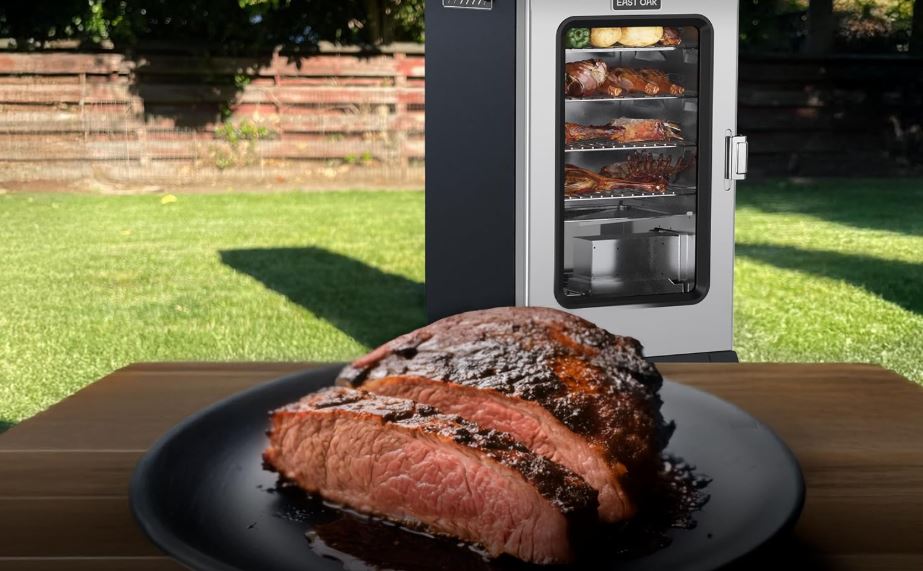
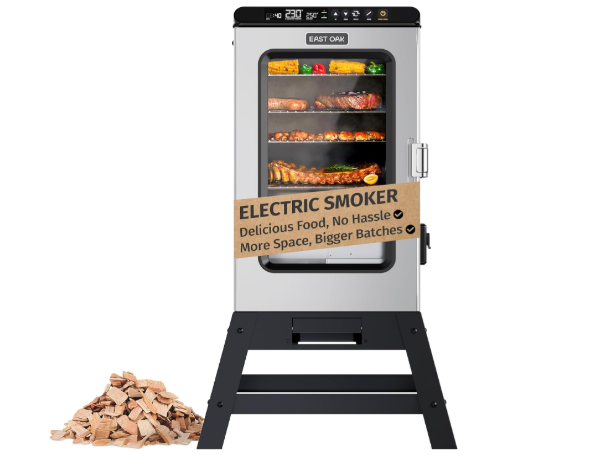
1. EAST OAK Ridgewood Pro Max Electric Smoker
The EAST OAK Ridgewood Pro Max Electric Smoker brings impressive features that make it a strong contender for the best competition smoker setup. It offers 725 square inches of cooking space with four chrome-plated racks, giving you plenty of room to smoke full racks of ribs, multiple whole birds, or large cuts — perfect for feeding a crowd or prepping for a BBQ competition.
What stands out is the digital control panel and 800 W heating tube, providing precise temperature control from 100 °F to 275 °F (38-135 °C). That consistent, low-and-slow heat is vital for achieving tender, juicy, deeply smoked meats without drying them out. The side wood chip loader lets you add chips mid-smoke without opening the main door — maintaining temperature and maximizing smoke infusion while you cook.
With its elevated stand and rear wheels, this smoker is also more ergonomic and portable than many traditional models — no crouching down to monitor or refill. For backyard competitions or serious weekend BBQ sessions, this model balances practicality and performance nicely.
Key Benefits
- Large 725 sq in cooking area
- Digital precise temperature control
- Side wood-chip loader for uninterrupted smoke
- 800 W heating tube for consistent heat
- Comfortable elevated stand & portability
Compatible For
- Smoking ribs, brisket, whole chicken or turkey
- Family BBQs or competition-level cooking
- Low-and-slow smoking & long cooks
- Backyard parties & gatherings
Special Note: Side chip loader may need refilling every 2–3 hours; initial smoke may produce oil smell — a thorough cleaning before first use is recommended.
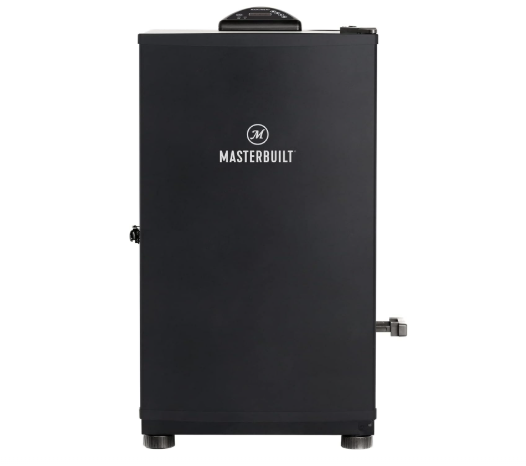
2. Masterbuilt 30-inch Digital Electric Vertical BBQ Smoker MB20071117
The Masterbuilt 30-inch Digital Electric Smoker delivers a professional-grade vertical smoking experience with 710 square inches of cooking space, enough for multiple racks of ribs, full turkeys, or several pork butts — excellent for competition-style cooking.
It features digital controls that allow you to set time and temperature up to 275 °F, along with a patented side wood chip loader so you don’t lose heat or smoke by opening the door. Smoke flavor stays locked in, enabling consistent low-and-slow cooking for brisket, ribs, or brisket-style BBQ.
Additional touches like a removable water bowl (for moisture control), a rear grease tray for easier cleanup, and a window to monitor food without opening the door — all make it user-friendly, especially for longer smokes. The vertical design fits several whole chickens or turkeys at once, making it ideal for larger gatherings or competitions where volume matters.

Key Benefits
- Spacious 710 sq in capacity
- Digital time & temperature control
- Side wood-chip loader preserves smoke & heat
- Water bowl for moisture control
- Vertical design fits large cuts
Compatible For
- Smoking ribs, pork butts, whole poultry
- Low-and-slow BBQ competition cooking
- Family gatherings or big batch smoking
- Easy cleanup and long smokes
Special Note: Some users report uneven temperature distribution between racks — lower racks may cook slower than upper ones in long cooks.
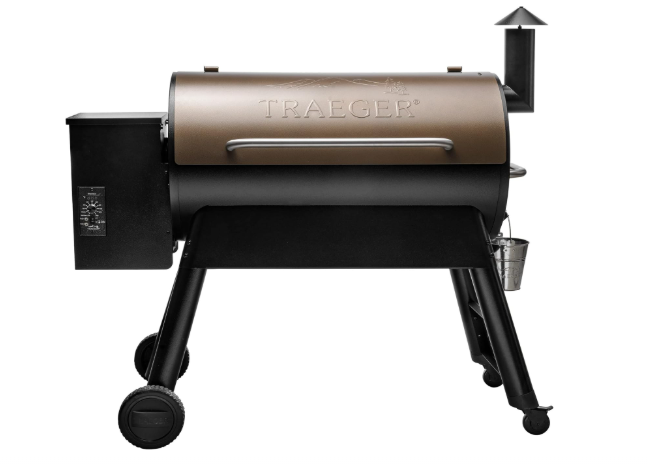
3. Traeger Pro 34 Electric Wood Pellet Grill and Smoker
The Traeger Pro 34 marries the traditional wood-fired flavor with modern digital convenience, offering a versatile platform for competition-style BBQ. With a cooking space up to 884 square inches, it handles large volumes — including racks of ribs or dozens of burgers/chickens — making it ideal for feeding a crowd.
Its Digital Pro Controller keeps temperatures surprisingly stable (± 15 °F), while the automatic pellet auger system feeds wood pellets consistently, providing steady smoke over hours. Dual meat probes allow monitoring of multiple cuts at once — crucial when you’re smoking brisket, ribs, or several pieces of meat together.
Thanks to heat retention from double-wall insulated construction and porcelain-coated grates for even heat distribution, the Pro 34 can both smoke low-and-slow and grill at higher temps when needed. Its versatility makes it more than just a smoker — a possible all-in-one setup for grilling, smoking, roasting and more.
Key Benefits
- Huge 884 sq in cooking area
- Automated pellet system — very low maintenance
- Consistent temperature control
- Dual meat probes for large cooks
- Great balance of smoking & grilling
Compatible For
- Big BBQ sessions (ribs, brisket, chicken)
- Mixed cooking — smoke, roast, grill
- Parties, family gatherings, competition cooks
- Multi-meat cooks or batch cooking
Special Note: While versatile, pellet smokers like this may deliver milder smoke flavor compared to wood-chip or charcoal smokers; searing steaks might lack intensity.
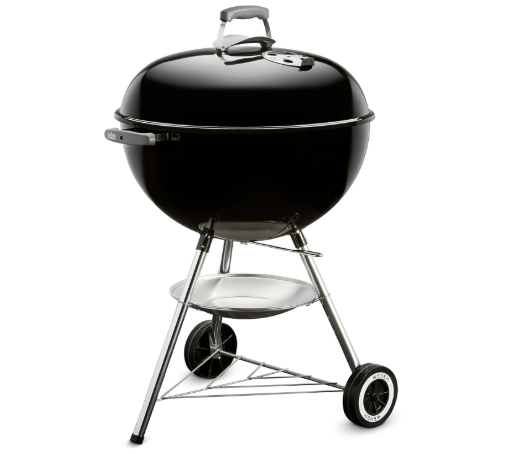
4. Weber Original 22-Inch Charcoal Grill
The Weber Original 22-Inch Charcoal Grill is a classic for a reason — simple, durable, and capable of delivering authentic charcoal-grilled flavor. Its porcelain-enameled lid and bowl help retain heat and resist rust, ensuring stable cooking temperatures and long-lasting performance.
With a cooking grate large enough to hold up to 13 burgers at once, this grill is ideal for family cookouts, casual weekends, or smaller BBQ parties.The One-Touch™ cleaning system with a high-capacity ash catcher makes post-cook cleanup easier — no need to shovel out ashes by hand.
The grill also offers good temperature control via adjustable air dampers and a built-in lid thermometer — handy when you’re trying to master the balance between smoke, heat, and cooking time. For purists who value charcoal flavor and simplicity, this Weber remains a worthy, often underrated, option even among competition smokers.
Key Benefits
- Excellent heat retention with porcelain-enameled body
- Easy cleanup — One-Touch ash system
- Solid classic charcoal flavor
- Simple temperature control via dampers
- Durable build for long-term use
Compatible For
- Classic charcoal grilling (burgers, steaks, veggies)
- Quick cooks or short sessions
- Backyard parties and gatherings
- Those who love traditional BBQ flavor
Special Note: Cooking area is relatively small compared to smokers — less ideal for big briskets or large batch smoking; charcoal-based smoke flavor may require more attention than electric smokers.
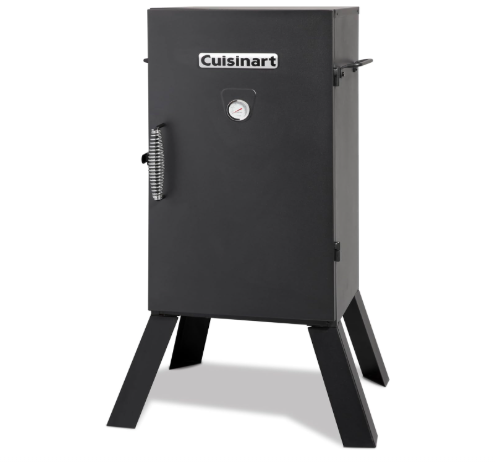
5. Cuisinart COS-330 Electric Smoker
The Cuisinart COS-330 Electric Smoker is a compact, user-friendly vertical smoker — a good entry-level pick for anyone testing their hand at smoking meats, fish, or vegetables. It offers 548 square inches of cooking space with three removable chrome-plated racks, which is ample for a whole chicken, a rack of ribs, or several smaller cuts at once.
With a 1500 W heating element, this smoker handles temperatures from 100 °F to 400 °F, offering flexibility from gentle slow smokes to more intense cooking. A built-in thermometer on the front door helps you monitor internal conditions without opening the door, maintaining consistency.
Convenience shines through: the removable water pan and wood chip tray make setup and cleanup easy, and the compact, vertical design is perfect for patios or smaller outdoor areas. For first-timers or occasional BBQ lovers, the COS-330 provides a low-hassle way to enjoy smoky flavors.
Key Benefits
- Compact and easy to use
- 548 sq in cooking space
- Removable racks for flexibility
- 1500 W heating element — wide temp range
- Built-in thermometer & easy cleanup
Compatible For
- Small to mid-size smoking tasks
- Chicken, ribs, salmon, vegetables
- Patio/backyard cooking
- Beginners or occasional smokers
Special Note: Because of its smaller size and vertical layout, it may not accommodate very large cuts (like big briskets) comfortably.
Key Benefits of Using a Competition-Ready Smoker
A dependable competition-ready model gives pitmasters a sense of control that backyard setups rarely offer. Heat stability becomes the biggest advantage, because long cooks often run for hours without interruption. A steady fire lets ribs, brisket, and poultry settle into that slow transformation teams aim for in BBQ events. Well, anyone who has managed multiple meats at once knows how consistent airflow helps prevent dryness or uneven tenderness. A good rig provides enough room for racks, pans, and trays without squeezing items together. That spacing supports cleaner smoke paths and smoother heat travel.
A solid design also supports fuel efficiency, especially for cooks lasting through the night. Judges care about flavor balance, not harsh notes, so the ability to run a clean fire is priceless. Some teams appreciate the generous access points these smokers provide. It makes rotating briskets or spritzing racks of ribs less stressful. A competition-ready unit even simplifies transport. Many brands offer frames with sturdy wheels or reinforced mounting points, so moving it across a field or parking lot becomes less of a chore.
Of course, the biggest reward shows up in the final score sheets. Consistency tends to shine, and the better the smoker supports stable cooking, the easier it becomes to repeat strong results from event to event.
What to Look For Before Buying the Best Competition Smoker
Fuel type suitability
Choose the fuel that matches your cook style. Pellets offer steady heat, charcoal brings stronger smoke notes, and wood gives deeper character.
Sturdy construction
A thick steel body helps retain heat and deal with long sessions outdoors.
Firebox layout
Designs with clear airflow paths help you maintain clean smoke and prevent temperature swings.
Cooking space distribution
Wide grates and multiple racks give you room to manage ribs, large cuts, and chicken without crowding.
Portability needs
Check the wheels, frame strength, and total weight. Competition days often involve moving equipment around.
Heat retention quality
Insulated walls or tight seals limit fuel waste and maintain stable internal temperatures.
Ease of cleaning
Removable trays, wide doors, and smooth interior surfaces save time during turn-ins.
Thermometer accuracy
Reliable gauges or integrated digital probes give better control over long sessions.
Budget balance
Look for the best mix of durability, performance, and comfort features that match your long-term goals.
Essential Features That Matter Most in BBQ Competitions
Chamber design
A well-shaped chamber promotes even heat flow, letting meats cook without tough corners or overdone edges. Smooth circulation helps brisket flats stay moist while rib racks finish at the same pace.
Temperature stability
Pitmasters rely on steady heat more than anything else. A smoker that swings drastically can ruin tenderness. Thick steel and sealed doors reduce fluctuations caused by weather changes or frequent lid openings.
Fire control
Consistent fire management demands a responsive vent layout. Adjustable dampers help shape the smoke quality and keep the fire in the sweet zone. Teams aiming for clean results usually prefer smokers with generous airflow control.
Rack setup
Good spacing helps pitmasters rotate meats quickly. A competition model often comes with multiple shelves, making it easier to handle bigger loads during double categories or same-day practice cooks.
Fuel efficiency
A smoker that uses fuel wisely eases long sessions. Less refueling lowers the risk of unnecessary heat drops and keeps attention focused on trimming, saucing, and time management.
Best Competition Smoker Options Compared by Size, Fuel Type, and Performance
| Size | Fuel Type | Performance Notes |
|---|---|---|
| Small portable rigs | Charcoal or pellets | Quick heat response, fits chicken or practice cooks |
| Mid-size vertical models | Charcoal or wood | Strong smoke output, steady chamber, ideal for ribs and partial brisket loads |
| Large offset units | Wood or charcoal | Smooth airflow, great for full briskets and multi-category events |
| Pellet competition rigs | Pellets | Very stable heat, excellent for teams needing long unattended sessions |
| Hybrid setups | Mix of fuel types | Flexible planning for different categories and flavor goals |
Practical Uses Beyond BBQ Competitions
Many pitmasters find these smokers useful far outside tournament weekends. Large gatherings become easier because the generous cooking space handles bulk food without rushing. Families often use them for birthday events, reunions, or community fundraisers. A good model supports slow roasting, smoking fish, or preparing vegetables for healthier meals.
Some users enjoy crafting batches of sausages or cured meats that need gentle heat. Restaurants and caterers also appreciate the steady performance these units provide, especially during busy seasons.
Actually, the flexibility surprises many new buyers because these smokers perform as well at home as they do on the competition field. Their durability offers all-season use, giving cooks a reliable tool for long projects. Some even convert them into mobile setups for pop-up events.
Popular Recipes That Shine on Competition Smokers
Brisket point and flat
Let the meat settle into low heat until it softens, then wrap and finish slowly for a tender slice.
St. Louis ribs
A steady chamber helps ribs set color, then soften, then firm back up for a clean bite.
Whole chicken halves
Run slightly higher heat for crisp skin without sacrificing moisture.
Smoked turkey
Gentle heat and steady airflow make large birds manageable for holiday events.
Pork shoulder
Smoke for several hours, wrap, rest, and pull for sandwiches or turn-in boxes.
Beef short ribs
Season heavily and let them cook until the internal texture feels buttery.
Smoked salmon slabs
Lower temps help the fish stay tender while absorbing a mellow finish.
Cleaning and Maintenance Guide for Long-Term Performance
Remove leftover ash
Clear the firebox after each cook to keep airflow smooth and prevent buildup.
Scrape grates
Warm grates respond well to a scraper, removing stuck bits that could cause bitter tastes.
Empty drip trays
Full trays affect heat flow and can create unwanted smoke during the next session.
Check seals
Inspect door edges for gaps and ensure they still sit snugly against the frame.
Wipe interior surfaces
A light cleaning keeps residue from layering too thick. Thick buildup affects smoke quality.
Oil exterior metal
A thin coat protects the body from moisture and seasonal exposure.
Test vents and hinges
Smooth motion helps manage fire control. Fix worn parts before major cooks.
Tips for Getting Consistent Results With Any Competition Smoker
Start with balanced fuel loads
Space meats wisely to improve airflow
Monitor temps using reliable thermometers
Rotate meats carefully without disrupting heat too much
Let the chamber settle before adding new items
Aim for thin, clean smoke that supports a gentle flavor
Rest meats long enough to preserve tenderness
Practice on similar cuts to match timing for events
Keep notes to track what works in different weather conditions
Who Should (and Shouldn’t) Buy a Competition-Level Smoker
A competition-level unit suits cooks who appreciate precision, long sessions, and the satisfaction of shaping meats with patience. Many serious hobbyists enjoy the challenge and love preparing food for gatherings.
These smokers handle large workloads, making them useful for families who host frequent outdoor events. They also fit small caterers, market vendors, and anyone building a BBQ-focused side business.
Someone with limited outdoor space or little time for long cooks might struggle with a large rig. Casual users who only smoke a few times a year may find smaller backyard models more manageable.
A competition smoker becomes a smart investment for those who simply love the craft and want reliable results every time.
FAQ
What size smoker works best for competitive environments
Teams often choose mid to large models because they provide the room needed for brisket, ribs, chicken, and extra trays. A compact unit might work for single categories, but multi-category cooks demand more space. Larger chambers create smoother airflow, which helps meats finish evenly. The choice really depends on how many categories you plan to enter and how comfortable you feel managing multiple racks. Some teams even upgrade as they progress through events because bigger smokers simplify timing during turn-ins.
How does fuel type affect the final outcome in competitions
Fuel alters the heat character and smoke profile more than most new cooks expect. Wood produces deeper flavor layers and suits teams aiming for bold entries. Pellets offer steady heat, making timing easier during busy turn-ins. Charcoal sits in the middle, delivering a steady base with mellow smoke. Each type brings its own rhythm, and experienced teams choose based on preferred flavor goals, weather predictability, and the contest schedule. Running test cooks helps identify your best fit.
Can beginners handle a competition-grade smoker
Beginners can absolutely manage these units with some practice. The learning curve depends on the model and fuel type. Pellet units feel more accessible because they stabilize quickly. Offsets demand more focus but reward cooks with strong results once airflow control becomes second nature. A new user willing to practice trimming, seasoning, and controlling temperatures can produce event-ready plates faster than expected. Cooks who enjoy patience-based hobbies generally adapt well to these rigs.
Are pellet smokers reliable enough for serious events
Pellet models have become popular because they offer predictable heat for long sessions. Many teams rely on them for ribs, chicken, and even brisket. The smooth heat curve makes timing easier, especially during busy contests with little room for error. Some cooks pair pellet units with small offset fireboxes to add smoke variety. Modern pellet smokers also come with strong auger systems and insulated chambers, making them dependable in rain, wind, or cold temperatures.
How much maintenance does a competition smoker typically require
Maintenance depends on how often you cook. Long sessions generate more residue, so regular cleaning keeps the chamber performing well. Ash removal, grate scraping, and vent checks become part of the routine. A bit of inspection after each event ensures hinges and seals stay in shape. High-quality models usually hold up well, though they still benefit from protective covers and occasional exterior oiling. A consistent maintenance habit helps extend the smoker’s lifespan significantly.
What mistakes do new users often make with these smokers
Many beginners overload the chamber with too much meat, reducing airflow and slowing cook times. Some run their fire too aggressively, creating harsh smoke. Inconsistent fuel placement leads to hot spots that ruin tenderness. Others check the meat too often, causing heat loss. Simple habits like spacing cuts evenly, letting the chamber stabilize, and resisting the urge to peek make a big difference. Practice also teaches better intuition about timing.
How often should thermometers and probes be checked for accuracy
Probes used during long cooks can drift over time, so checking them occasionally protects your results. A quick boiling water test or ice bath calibration works well. Reliable temps matter because small errors add up during overnight sessions. Many teams carry backup probes to avoid stress during events. Well-maintained thermometers support consistent cooking outcomes and reduce surprises on turn-in day.
Short wrap-up
Well, that brings everything together in a clear way. A strong smoker offers stability, space, and the kind of control pitmasters rely on during long sessions. Each section above outlines how these units support both competition cooks and everyday use. With the right setup, practice, and a steady hand, anyone can sharpen their results and enjoy the process even more.
Read More:
Discover New Articles: See Our Latest Updates
