
6 Best Japanese Cast Iron Teapots/ Kettles Reviews

Disclosure: As an Amazon Associate, I earn from qualifying purchases. Learn more
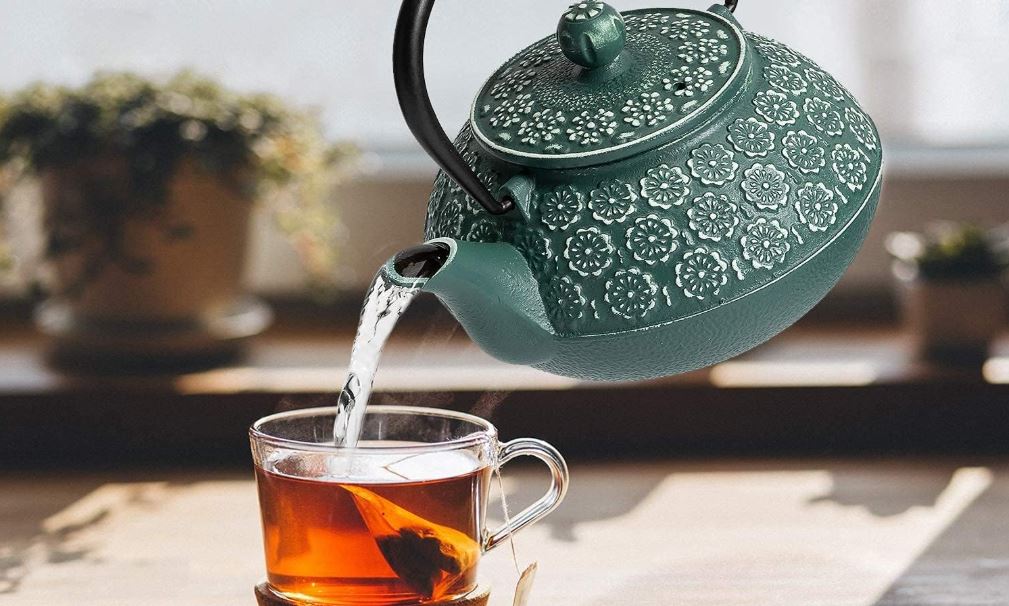
The best cast iron teapot offers steady heat retention, dependable durability, and a classic touch that suits daily brewing and relaxed tea sessions. The dense structure of a Japanese tea kettle cast iron model helps maintain a consistent water temperature, which supports better steeping results for green tea, oolong, and herbal blends. Many tea drinkers appreciate how an enameled cast iron tea kettle prevents metallic taste and makes cleaning easier, while a black cast-iron teapot adds a traditional look to kitchen décor.
- Best Choice: Japanese Tetsubin Cast Iron Teapot
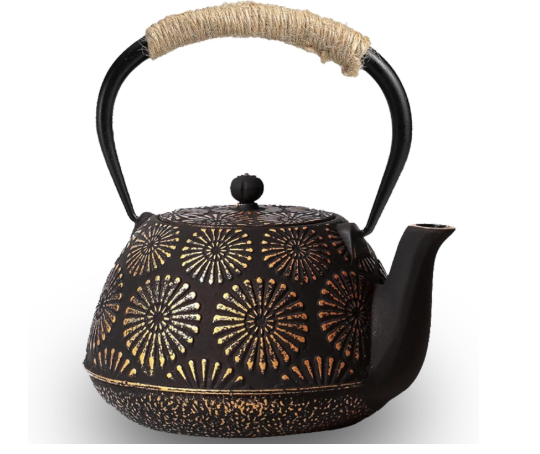
A small cast iron teapot works well for single servings, while larger options pair nicely with cast iron teapot and cups sets for sharing moments with others. For those searching for tips to buy cast iron teapot pieces, choosing a stovetop-safe design increases flexibility. People often ask are cast iron teapots good, and they usually perform reliably for anyone learning how to use cast iron teapot designs for everyday brewing.
Through our intensive testing and user feedback, we found some of the best cast iron teapot options are listed below
1. Best Cast Iron Teapot for Two — 1200 mL Black Set (Juvale)
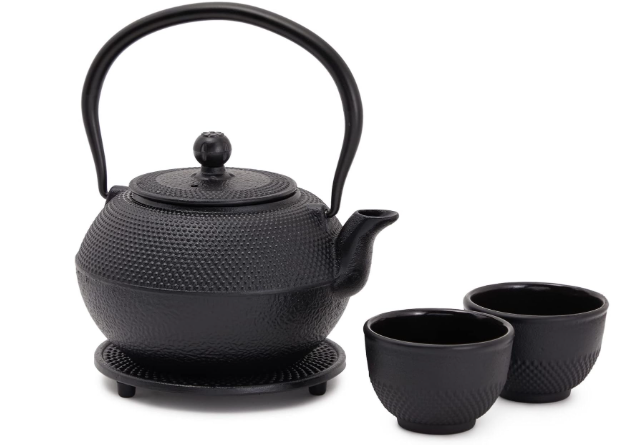
This 1200 mL cast iron tea set brings together tradition and practicality. Perfect for serving two cups of tea in a single brew, it offers a generous volume without being bulky. The heavy-duty cast iron construction ensures excellent heat retention, so your tea stays warm for longer than in typical ceramic or glass pots. The included stainless steel infuser makes it ideal for loose-leaf teas, whether you prefer green tea, herbal blends, or classic black tea. The ergonomic fold-down handle and curved spout make pouring smooth and controlled — ideal for cozy tea rituals at home.
The set also includes two cast-iron cups and a trivet, adding a touch of authenticity and completeness that many other teapots don’t offer. As a result, brewing becomes more than a quick task — it becomes a small ceremony.
Key Benefits
- Great heat retention for hours
- Large capacity for two people
- Built-in stainless infuser
- Durable cast-iron build
Compatible For
- Loose-leaf teas (green, herbal, black)
- Small households or couples
- Gift for tea lovers
- Traditional stovetop (low-to-medium heat)
Special Note: Cast iron is heavy; avoid leaving water inside after use to prevent rust.
2. Elegant Japanese-Style Enamel-Coated 40 oz Cast Iron Kettle
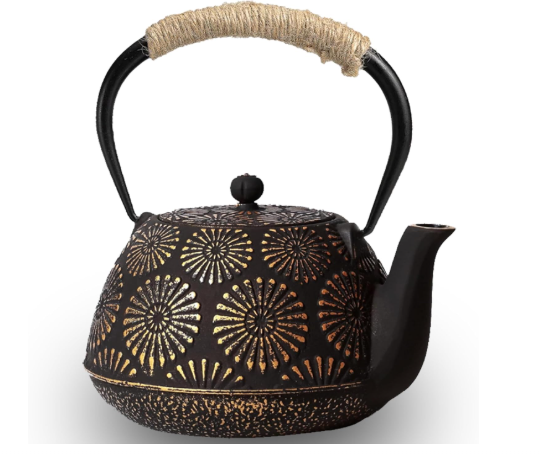
This 40-oz cast-iron kettle brings together heritage and modern convenience. The enamel-coated interior simplifies cleaning and helps prevent rust — a frequently mentioned concern with bare cast iron. Its generous size makes it ideal both for brewing multiple cups and for keeping water warm over a longer period. This kettle is designed with aesthetics and function in balance: its traditional design speaks to Japanese tea culture, while the practical infuser invites use for loose-leaf teas.
Because enamel reduces metallic taste and makes cleanup easier, this kettle appeals to those more accustomed to modern teapots but who still wish to enjoy cast iron’s superior heat retention and sturdy build. Over time, it can become a staple piece for daily tea routines.
Key Benefits
- Enamel interior for easy cleaning
- Large 40 oz capacity
- Maintains water temperature well
- Traditional Japanese-style design
Compatible For
- Loose-leaf tea brewing
- Daily household tea use
- Multiple cups or family servings
- Stovetop water heating (low-to-moderate heat)
Special Note: Avoid sudden temperature extremes; enamel chips can lead to rust.
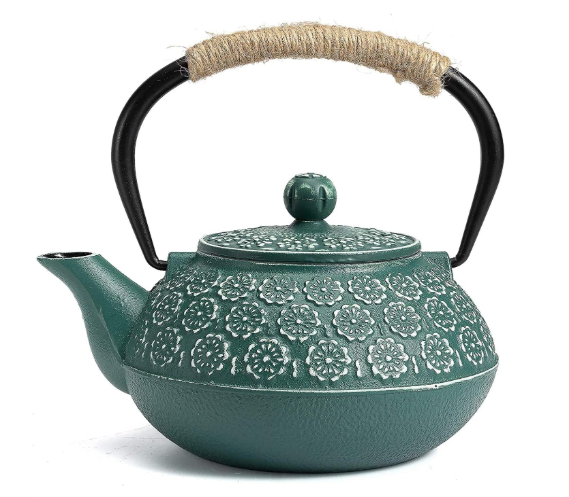
3. Traditional Japanese Tetsubin Cast Iron Tea Kettle — 40 oz (Sotya)
This 40 oz cast iron tea kettle delivers the feel of a traditional Japanese tea vessel with modern practicality. Designed with a sturdy cast iron build and a built-in infuser, it balances authentic tea-making ritual with daily usability. The weight and solid feel of it give a sense of grounding and ceremony — ideal if you appreciate the ritual aspect of tea brewing.
Because cast iron retains and distributes heat exceptionally well, this kettle is ideal for more than just an occasional cup: it can keep water near optimal temperature for repeated servings and ensure even steeping. The dark green finish and classic silhouette also make it a stylish addition to a kitchen, especially if you value vintage or traditional aesthetics.
Key Benefits
- Robust cast iron structure
- Keeps tea warm for long time
- Good for multiple servings
- Classic Japanese design
Compatible For
- Brewing tea for small gatherings
- Traditional tea rituals
- Loose-leaf tea steeping
- Heat-resistant stovetop use (low heat)
Special Note: Heavy weight; must dry thoroughly after each use to avoid rust.
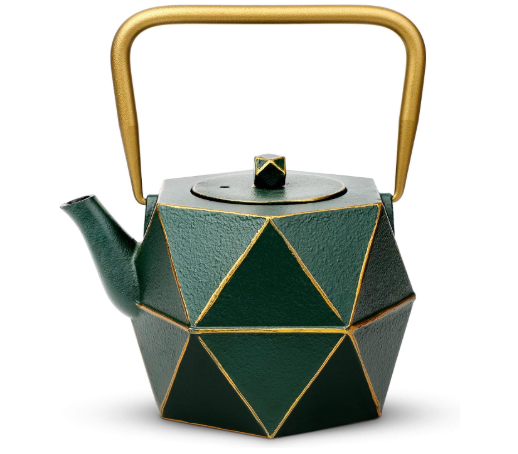
4. Compact 30 oz Cast Iron Teapot — Easy Everyday Use (Toptier)
For tea lovers who prefer a smaller, manageable size, this 30 oz cast iron teapot is a great option. Its more compact form offers convenience for daily tea drinking without sacrificing the advantage of cast iron’s superior heat retention. The removable infuser simplifies loose-leaf brewing, and the teapot’s modest size makes it easy to handle, pour, and store.
Because it’s smaller, this teapot is particularly suitable for single-serving use or groups of two, ideal for day-to-day tea breaks rather than large gatherings. The dark-green finish and classic shape give it a timeless charm, blending well with both modern and traditional kitchen décor.
Key Benefits
- Compact & easy to handle
- Good for 1–2 servings
- Retains heat well
- Removable infuser
Compatible For
- Daily tea drinking
- Small households or solo tea time
- Loose-leaf tea or tea bags
- Serving green, black, herbal teas
Special Note: Not ideal for large servings; limited capacity may require frequent refilling.
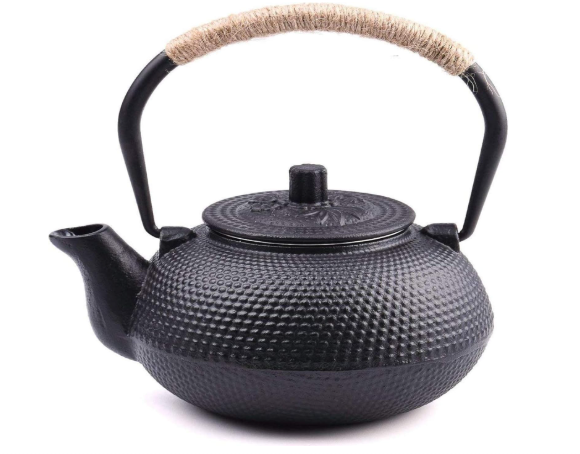
5. Mid-Size 22 oz Japanese Tetsubin Cast Iron Teapot — Practical & Compact (Suyika)
This 22 oz cast iron teapot is ideal for those who want simplicity and practicality in a smaller, easy-to-manage package. Its modest capacity makes it perfect for individual tea servings or small households. The cast iron build ensures that even with smaller volume, your tea retains warmth longer — an especially convenient feature for relaxed, solo tea sessions or casual afternoon tea.
The teapot’s simple, traditional design makes it a great match for minimalistic kitchens or anyone who wants a no-frills but durable teapot option. It fits well for loose leaf teas or tea bags, whether green tea, herbal blends, or classic black tea.
Key Benefits
- Small, manageable size
- Easy handling and pouring
- Good heat retention for individual servings
Compatible For
- Solo tea servings
- Compact kitchens
- Loose-leaf or bagged tea
- Daily tea breaks
Special Note: Single-serving capacity may not suit larger gatherings. Must dry thoroughly after each use.
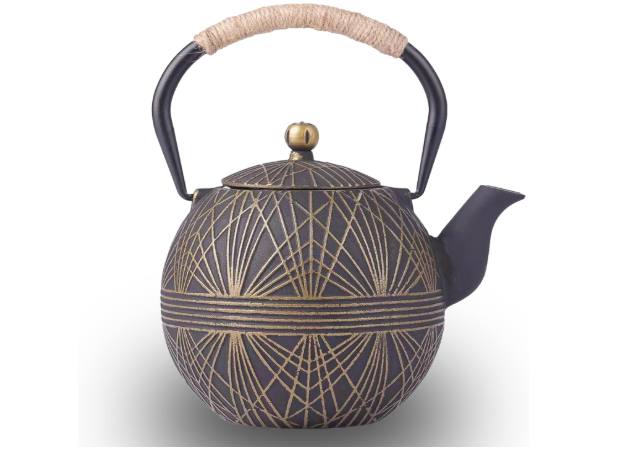
6. Medium 34 oz Enameled Cast Iron Tea Kettle — Balance of Size & Convenience
This 34 oz cast iron tea kettle strikes a balance between capacity and usability — large enough for several cups, yet still manageable for everyday use. The enamel coating inside helps prevent rust and simplifies cleaning, reducing maintenance compared to bare cast iron. The removable stainless steel infuser adds flexibility whether you brew loose-leaf tea or tea bags. Because of cast iron’s natural heat retention, water and brewed tea stay hot for longer — perfect if you enjoy slow sipping or multiple infusions.
The kettle’s size and build make it versatile: suitable for family use, small gatherings, or as a daily workhorse for tea drinkers. Its construction plus enamel finish gives both durability and ease of care, making it ideal for frequent use.
Key Benefits
- Solid capacity for multiple cups
- Enamel coating resists rust
- Easy cleaning and maintenance
- Good heat retention
Compatible For
- Family tea time or small gatherings
- Steeped tea varietals (green, herbal, black)
- Regular stovetop use (low to medium heat)
Special Note: Although enamel helps, avoid sudden temperature shifts and never heat when empty.
Key Factors to Consider Before Choosing the Best Japanese Cast Iron Teapot
Selecting a high-quality cast iron teapot requires careful attention to details that influence durability, brewing performance, and long-term value. A well-crafted teapot should deliver superior heat retention, allowing tea leaves to steep gradually and consistently. The weight of the teapot is also an important indicator of construction quality. Heavier bodies tend to feature thicker iron walls, which help distribute heat evenly and protect the enamel lining from wear. A lighter body may feel convenient, but it often signals thin metal that loses heat too quickly and may chip faster over time.
Another major factor involves the interior enamel coating. A smooth, uniform coating prevents rust development and keeps flavors pure without carrying over aromas from previous brews. Any unevenness, bumps, or exposed metal may shorten the pot’s lifespan or lead to metallic tastes. The handle design matters as well; a strong, upright, well-balanced handle ensures a secure grip and minimizes stress on the wrists. Additionally, a removable stainless steel infuser basket enhances convenience by allowing you to experiment with loose-leaf blends without worrying about residue settling at the bottom. The infuser should sit deep enough to encourage full leaf expansion, which contributes to richer flavor clarity.
Capacity is another point that many buyers overlook. Smaller teapots are ideal for personal tea sessions or focused tasting, while larger models help prepare several servings at once. Choosing the appropriate size keeps the brewing temperature stable and reduces waste. Lastly, consider whether any decorative elements influence usability. While visually appealing designs add character, you should prioritize functional craftsmanship, balanced construction, and reliable materials to achieve long-lasting satisfaction.
Benefits of Using a Traditional Japanese Cast Iron Teapot for Daily Brewing
Enhanced Flavor Extraction
Daily brewing becomes more enjoyable with cast iron because the teapot’s even heat distribution allows tea leaves to release their full aromatic potential. The gradual rise in temperature helps preserve delicate notes while extracting deeper flavors that might be lost in thinner materials.
Exceptional Heat Retention
A cast iron body excels at holding warmth for extended periods. This benefit allows you to savor tea without reheating, ensuring each cup maintains a consistent temperature. This stability is especially helpful for teas requiring longer or repeated infusions.
Durable Construction for Long Use
These teapots are built to withstand decades of brewing. Their heavy-duty structure resists dents and warping, and the enamel lining prevents rust buildup. With proper care, they retain both their structural strength and their striking visual beauty.
Cultural Craftsmanship and Aesthetic Value
Traditional Japanese designs often incorporate symbolic patterns, such as cherry blossoms, waves, or geometric motifs, making each teapot a functional piece of art. Many buyers enjoy the cultural significance and authenticity these details bring to their tea routine.
Brewing Versatility
Although most people use them for green tea, the versatile construction supports a wide range of tea styles. Whether you prefer herbal blends, oolong, black tea, or specialty infusions, the teapot creates a stable environment for consistent steeping results.
Best Japanese Cast Iron Teapot Options Compared by Capacity, Weight, and Features
| Model Type | Capacity | Weight | Interior Lining | Infuser Included | Key Feature |
|---|---|---|---|---|---|
| Classic Floral Design | 24 oz | Medium | Enamel | Yes | Excellent heat balance |
| Heavy-Duty Textured Body | 32 oz | Heavy | Enamel | Yes | Superior heat retention |
| Compact Travel-Friendly | 16 oz | Light | Enamel | Yes | Portable structure |
| Premium Artisanal Edition | 40 oz | Heavy | Enamel | Yes | Handcrafted detailing |
| Minimalist Modern Style | 27 oz | Medium | Enamel | Yes | Streamlined pouring |
How to Use a Cast Iron Teapot Correctly for Better Steeping Results
Warm the Teapot First
Add a small amount of hot water, swirl it around, and discard. This helps stabilize the temperature and encourages even steeping.
Place Leaves in the Infuser Basket
Use high-quality loose-leaf tea and avoid overfilling. Leave space for leaves to expand and release flavor.
Pour Hot Water at the Right Temperature
Use water suitable for the type of tea—cooler water for green tea, hotter water for black or herbal blends—to prevent bitterness.
Cover and Steep for the Recommended Time
Let the tea rest undisturbed. The teapot’s heat retention ensures a consistent environment throughout the infusion.
Remove the Infuser Promptly
Prevent over-steeping by removing the basket once the tea reaches your preferred strength.
Serve With a Steady, Controlled Pour
Tilt gently to maintain smooth flow and avoid splashing.
Empty and Dry After Use
Ensure the interior remains dry to protect the enamel and prevent moisture buildup.
Japanese Cast Iron Teapot vs Stainless Steel and Ceramic Tea Pots
| Feature | Cast Iron | Stainless Steel | Ceramic |
|---|---|---|---|
| Heat Retention | Excellent | Moderate | Good |
| Flavor Preservation | Strong clarity | Sometimes metallic | Clean but sensitive to temperature |
| Durability | Very high | High | Fragile |
| Weight | Heavy | Light | Medium |
| Aesthetic Appeal | Traditional & artistic | Modern & sleek | Classic |
| Best For | Slow brewing & full flavor | Quick heating | Gentle infusions |
What to Look for Before Buying a Cast Iron Tea Kettle for Stovetop Use
- Check stovetop compatibility to avoid damaging the enamel layer.
- Look for reinforced handles that stay cool and withstand heat exposure.
- Select thicker iron walls for better durability.
- Avoid overly decorative lids that trap steam or wobble during heating.
- Inspect enamel uniformity to prevent hot spots and rust risk.
- Choose a removable infuser for versatility and easy cleaning.
- Verify weight distribution so the kettle remains stable on burners.
- Ensure the spout shape promotes smooth pouring without dripping.
Cleaning and Maintenance Tips to Extend Your Cast Iron Teapot’s Lifespan
Proper maintenance helps protect both the enamel lining and the exterior iron surface, ensuring your teapot performs reliably for years. Always allow the pot to cool before cleaning because exposing hot enamel to cold water can cause cracking. After every brew, remove the infuser and rinse it thoroughly to prevent residue buildup. Rinse the inside gently with warm water only; soaps and detergents can affect flavor retention and prematurely degrade the coating. Drying is crucial — leave the lid off and allow the teapot to air-dry completely. Moisture trapped inside can lead to discoloration or slow rust formation around the edges.
Never scrub the interior with abrasive tools since they can scratch the enamel. A soft sponge is enough for daily maintenance. To preserve exterior beauty, wipe the surface with a dry cloth, especially if condensation forms around the handle or spout. If mineral buildup occurs on the infuser, soak it briefly in warm water with a touch of vinegar, then rinse thoroughly.
Occasionally, you may warm the pot slightly to ensure all moisture evaporates. Avoid dishwashers, harsh chemicals, and long soaking periods. With gentle care and mindful cleaning habits, the teapot maintains its shine, structure, and ability to create consistently aromatic brews.
Common Mistakes to Avoid While Brewing Tea in a Cast Iron Tea Pot
- Using boiling water on delicate teas
- Leaving leaves inside after steeping
- Scrubbing the enamel with rough pads
- Heating a non-stovetop teapot directly
- Pouring cold water into a still-hot pot
- Overfilling the infuser
- Storing the teapot while damp
- Ignoring minor chips or cracks
- Using sweetened drinks that create sticky residues
Who Should and Shouldn’t Buy a Japanese Cast Iron Teapot
A cast iron teapot suits individuals who appreciate slow, mindful brewing sessions and enjoy enhancing the flavor depth of their tea. Those who value traditional craftsmanship and prefer long-lasting kitchen items will find great satisfaction in owning one. The heat retention feature appeals to people who like sipping tea over extended periods without reheating. Tea enthusiasts who enjoy exploring loose-leaf blends will appreciate the way these teapots amplify subtle aromas and textures.
However, they may not be ideal for everyone. Those who prefer extremely quick preparation might find the warming process and careful drying inconvenient. Individuals with limited wrist strength may find heavier models difficult to handle, especially when full. Anyone looking for a dishwasher-safe option may also want to consider alternative materials, as cast iron requires more attentive maintenance.
People who frequently brew flavored teas or sweetened beverages might struggle with residue buildup, which is easier to manage in glass or stainless steel. Ultimately, this type of teapot benefits thoughtful tea drinkers who enjoy tradition, durability, and the artistry behind structured brewing rituals.
- Relevant Post: 5 Best Smokers for Competition BBQ Teams
Additional Uses of a Cast Iron Teapot Beyond Traditional Tea Brewing
Herbal Infusion Experiments
The stable internal temperature makes the teapot an excellent vessel for crafting herbal blends. Soft ingredients like mint, lemongrass, chamomile, and lavender develop deeper character due to the steady warmth.
Warm Beverage Serving
The pot can keep beverages like spiced cider or warm fruit blends at an enjoyable temperature for longer periods, making it suitable for cozy gatherings.
Aromatherapy Steeping
Some users enjoy adding non-food botanicals, such as dried eucalyptus or floral mixtures, to create soothing room scents.
Decorative Display Piece
Intricate patterns, textured finishes, and artistic handles make the teapot suitable for display on shelves, coffee tables, or kitchen counters when not in use.
Simple Tea Recipes That Taste Better in a Cast Iron Tea Kettle
Green Tea With Ginger
- Add sliced ginger to the infuser.
- Pour 170–180°F water inside.
- Add green tea leaves and steep for 2 minutes.
- Remove infuser and serve.
Citrus Oolong Blend
- Place oolong tea and thin orange slices in the infuser.
- Add hot water around 190°F.
- Steep for 4 minutes.
- Pour slowly to highlight the aromatic notes.
Cinnamon Herbal Comfort Brew
- Add cinnamon, cloves, and a mild herbal blend.
- Pour very hot water and close the lid.
- Allow 6–7 minutes of steeping.
- Serve warm and aromatic.
Budget vs Premium Japanese Cast Iron Teapot Models: Which Offers Better Value
| Feature | Budget Models | Premium Models |
|---|---|---|
| Material Thickness | Medium | Thick, durable |
| Craftsmanship | Standard | Hand-finished |
| Price | Affordable | Higher cost |
| Heat Retention | Moderate | Exceptional |
| Design Options | Simple | Artistic & detailed |
| Longevity | Good | Excellent |
Premium models provide more durability and aesthetic value, while budget options suit beginners seeking an accessible entry into cast iron tea brewing.
Discover New Articles: See Our Latest Updates
