
Are Oil-Filled Radiator Heaters Safe Compared to Other Electric Heaters

Disclosure: As an Amazon Associate, I earn from qualifying purchases. Learn more
Oil-filled radiators are often marketed as quiet, efficient, and safer alternatives to traditional space heaters. Still, many homeowners hesitate before using one, especially in bedrooms or overnight. Questions usually center around fire risk, leaving heaters on unattended, and whether the oil inside poses hidden dangers.
These concerns are common when choosing supplemental heat for living rooms, home offices, or sleeping areas. You may also be comparing an oil-filled radiator vs other heater types and wondering which option truly offers the best balance of warmth and safety.
This guide explains oil-filled radiator safety in practical terms. You will learn how these heaters operate, what causes real safety problems, how to reduce risks, and when extra caution is necessary. The goal is clarity, not fear, so you can make informed decisions with confidence.
How Oil-Filled Radiators Work and Why Safety Confusion Exists
Oil-filled radiators use electricity to heat a sealed reservoir of thermal oil inside the unit. The oil is not burned, consumed, or exposed to air. Instead, it retains heat and evenly distributes it through the metal fins.
Safety confusion often comes from the word oil, which many people associate with combustion. In reality, the oil functions similarly to a heat battery, holding warmth and releasing it gradually. This design prevents rapid temperature spikes that are common with exposed heating elements.
Another misunderstanding involves surface heat. While the radiator becomes hot, it does not reach the extreme temperatures found in radiant or coil-based heaters. Most safety concerns arise not from the oil itself but from poor placement, electrical misuse, or blocked airflow.
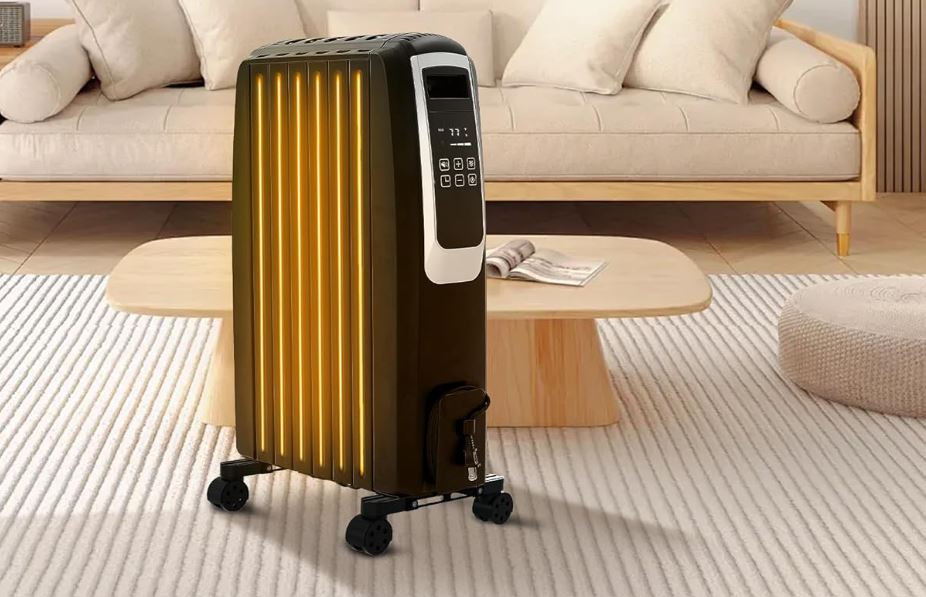
Oil-filled radiators are safe when designed with modern safety features, and this model is well-suited for everyday indoor heating. It delivers quiet, consistent warmth and includes overheat and tip-over protection for added peace of mind. ECO mode, thermostat control, and a built-in timer help maintain comfort while improving efficiency.
The PELONIS Radiator Heater is a smart choice for safety-focused home heating → View on Amazon

Image & Product: Amazon
Latest Alternative: The featured product is no longer available. We now recommend the PELONIS Radiator Heater
Common Causes of Oil Heater Safety Issues
Cause: Heater placed too close to flammable materials
Effect: Trapped heat increases the risk of fabric or paper overheating.
Cause: Worn or damaged power cords
Effect: Electrical faults become more likely, which is a common source of oil heater dangers.
Cause: Unstable placement or tipping
Effect: A fallen heater may continue operating if safety features fail or are absent.
Cause: Airflow blocked by furniture or covers
Effect: Internal heat buildup stresses components and can trigger overheating.
Cause: Continued use of aging heaters
Effect: Older thermostats or sensors may not shut the unit off properly.
- Worth Reading Next: Can Diesel Be Used in a Kerosene Heater and What Actually Happens
Are Oil-Filled Heaters Safe to Leave Unattended or Overnight
Bedroom overnight use
Oil filled radiators are commonly used in bedrooms because they operate quietly and provide consistent heat. Models with overheat protection and tip-over shutoff are generally safer than fan heaters with exposed elements.
Daytime unattended use
Leaving the heater running while you move between rooms is typically low risk when the unit is stable, unobstructed, and plugged directly into a wall outlet.
Leaving the house empty
Running any heater in an empty home for long periods increases the risk. Even a safe oil heater should be turned off when no one is present for an extended time.
Overall, oil-filled heaters can be safe overnight when used correctly, but unattended use should always be limited and monitored.
Oil-Filled Radiator vs Other Heater Types for Home Safety
| Heater Type | Fire Risk | Surface Heat | Stability | Overall Safety |
|---|---|---|---|---|
| Oil Filled Radiator | Low when used correctly | Moderate | High | High |
| Ceramic Fan Heater | Moderate | High at air outlet | Moderate | Medium |
| Quartz Radiant Heater | Higher | Very high | Low to moderate | Low |
| Infrared Panel Heater | Low | Moderate | High | Medium to high |
Compared to many alternatives, oil-filled radiators offer steadier heat with fewer ignition risks for long indoor use.
Practical Safety Solutions for Using Oil-Filled Radiators Indoors
Step 1: Place on a flat, stable surface
Avoid thick rugs or uneven flooring.
Step 2: Maintain a clear space around the heater
Keep at least three feet of clearance on all sides.
Step 3: Plug directly into a wall outlet
Do not use extension cords or power strips.
Step 4: Use thermostat and timer controls
Lower settings reduce electrical and thermal stress.
Step 5: Inspect regularly
Check cords, plugs, and housing for wear or damage.
These steps address the most common oil-filled heater safety issues.
Oil Filled Radiator Safety Checklist for Daily Use
- Stable, level placement
- No flammable items nearby
- Plugged directly into a wall outlet
- Tip-over and overheat protection present
- Airflow unobstructed
- Turned off when leaving home
Preventing Oil Heater Dangers Before They Start
Oil-filled radiators are designed for steady background heating, not rapid warming. Running them continuously at maximum output increases wear and raises the chance of electrical problems.
Simple habits make a difference: keep pets away, never dry clothes on the heater, and power it down during cleaning or rearranging furniture. Replacing outdated units with unreliable thermostats is another key prevention step.
Most oil heater dangers develop slowly due to neglect, not sudden failure.
Common Mistakes That Reduce Oil Radiator Heater Safety
A common mistake is placing the heater too close to beds, couches, or curtains. Another is using oil filled radiators as primary heat sources in spaces larger than they are designed to handle.
Ignoring unusual smells, clicking beyond normal thermostat cycling, or visible cord wear also increases risk. These warning signs should prompt inspection or replacement.
Understanding Built-In Safety Features in Modern Oil-Filled Radiators
Overheat Protection
Automatically shuts off the heater if internal temperatures exceed safe limits.
Tip-Over Shutoff
Cuts power if the heater falls or tilts excessively.
Thermostatic Regulation
Prevents constant high-output operation and stabilizes room temperature.
These features significantly improve oil radiator heater safety compared to older designs.
Product Safety Example: Modern Oil-Filled Radiator Heater for Indoor Use
Modern oil-filled radiator heaters designed for indoor use typically include sealed oil chambers, adjustable thermostats, ECO modes, and automatic shut-off systems. Quiet operation makes them suitable for bedrooms, while timers help limit extended unattended use.
Tip-over and overheat protection address the most common safety risks. Remote control operation allows temperature adjustment without moving the heater, reducing accidental contact or repositioning.
FAQs
Are oil-filled radiators dangerous if they leak oil?
Oil-filled radiators use sealed oil reservoirs, and leaks are rare. If oil is visible, the heater should be unplugged and removed from use immediately. Under normal conditions, oil exposure is not a safety concern.
Are oil-filled heaters safe for bedrooms and nurseries?
They are often chosen for bedrooms due to quiet operation and lack of open flames. Proper placement away from bedding and the use of tip-over protection are essential for safe use.
Can oil heaters cause carbon monoxide?
Electric oil-filled radiators do not burn fuel and do not produce carbon monoxide, making them safer for indoor air quality than combustion-based heaters.
Are oil heaters safe to run all day?
They can be used for extended periods when operated at moderate settings and monitored regularly. Continuous high output should be avoided.
Are oil-filled radiators efficient and safe compared to other heaters?
They provide consistent warmth and are generally safer for long-duration indoor heating than exposed-element heaters, especially in sleeping areas.
Discover New Articles: See Our Latest Updates
