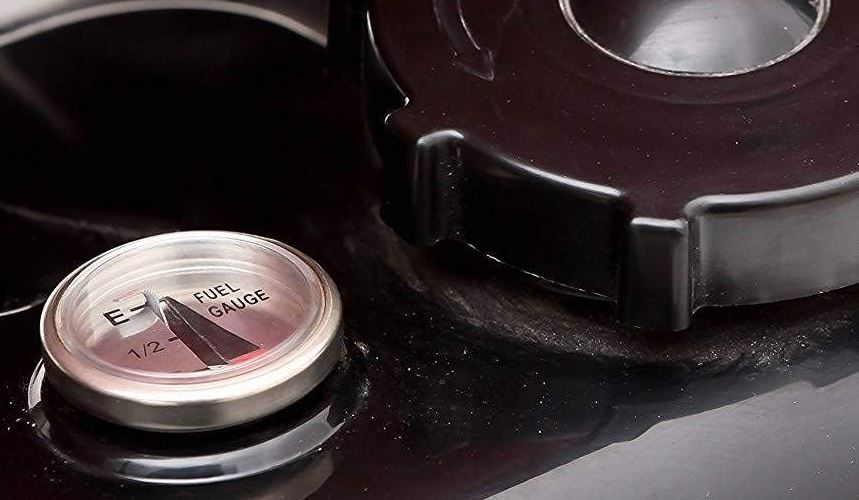
Can Diesel Be Used in a Kerosene Heater and What Actually Happens

Disclosure: As an Amazon Associate, I earn from qualifying purchases. Learn more
It depends on the heater. Forced-air and pressurized heaters that list diesel as an approved fuel can run on it, while wick-based kerosene heaters generally should not.
The two fuels look alike but burn differently. Diesel is heavier and sootier, so in the wrong heater it brings smoke, a strong smell, carbon buildup, and a damaged wick. If you are weighing fuel choices more broadly, our diesel vs kerosene heater guide covers the bigger picture.
Below, you will see which heaters can handle diesel, which diesel grade is the least risky, what to do after a mix-up, and how to keep the air safer. Before you run any fuel-burning heater inside, read is it safe to run a kerosene heater indoors first.
Worth a look for workshop heat, the VEVOR Kerosene Forced Air Heater offers thermostat control, while the SUNFIRE SF80 Radiant Heater adds tip-over and flame sensor shutoff.
Top Pick
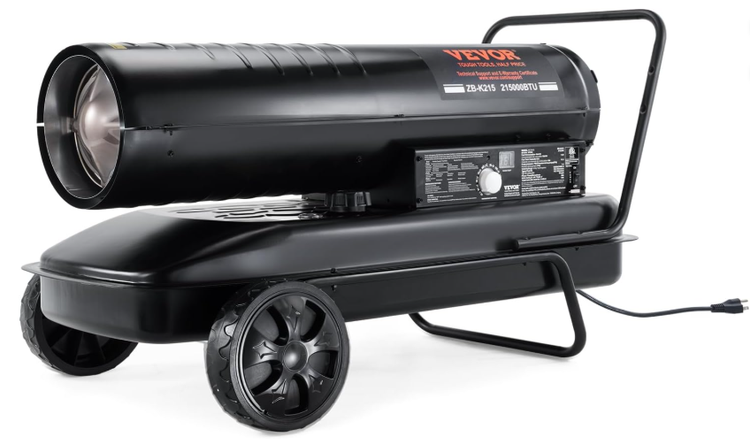
VEVOR Kerosene Forced Air Heater
- Kerosene or diesel fuel
- Built-in thermostat control
- Overheat protection shutoff
Solid Pick
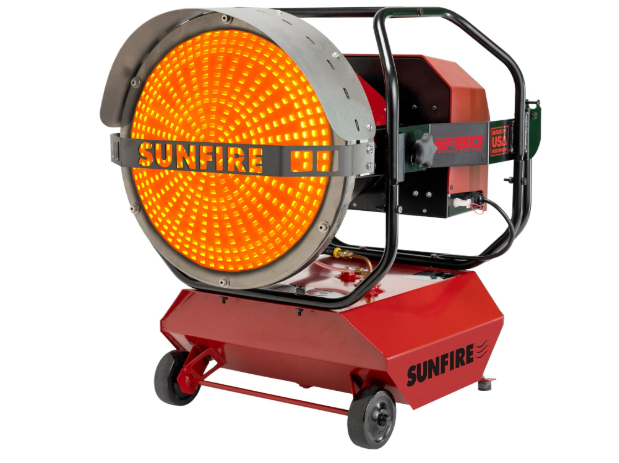
SUNFIRE SF80 Radiant Heater
- Radiant heat design
- Tip over safety switch
- Flame sensor auto shutdown
Can You Use Diesel in a Kerosene Heater?
Only in some heaters. A forced-air or pressurized heater can burn diesel when the manufacturer lists it as an approved fuel. A wick-based heater is not built for it, and diesel is not a safe swap there.
The reason is fuel behavior. Diesel is thicker than kerosene, so it does not climb a wick efficiently. It also burns dirtier, which leaves soot and carbon on the wick and inside the heater.
Additives in diesel add to the smell when it burns, and its lower volatility makes ignition less stable. That is why the same fuel that runs fine in a work-site heater can smoke badly in a wick model.
Check the label or manual for approved fuels before you fill the tank. Do not judge by how similar the fuels look.
What to Do If You Add Diesel by Mistake
Turn the heater off and let it cool fully before you touch anything. Running it longer only spreads the damage and the smell.
Drain the tank completely and dispose of the fuel according to your local rules. Then look at the wick. A stiff wick or dark buildup means diesel residue has soaked in.
Replace a contaminated wick and clean the internal surfaces before you refill with approved fuel. Even after cleaning, a badly soaked wick may not return to normal performance.
Safer Options When Kerosene Is Hard to Find
If you cannot find kerosene, the safest move is usually to wait for approved 1-K kerosene rather than force diesel into a heater that was not designed for it. A short delay costs less than a ruined wick and a smoky room.
For indoor heat in the meantime, an electric heater avoids fuel smoke altogether. An indoor-rated propane heater with safety shutoffs is another option. If you plan to run heat while you sleep, see which heaters are safe to leave on overnight before you decide.
If you want a dependable kerosene setup for next season, our best kerosene stove guide is a good place to start.
Which Spaces Suit a Diesel Burning Kerosene Heater
Even an approved heater needs the right room. Match the space to the setup.
Small shed or tent: Skip it. Fumes build up fast in tight spaces.
Open garage or barn: Best fit for forced-air models, with a door or window open for fresh air.
Workshop with a closed door: Possible only with a vent opening and a working carbon monoxide alarm.
Unfinished or job-site space: A common use, but expect a stronger smell than kerosene gives.
Bedroom or living room: Skip it. Fuel smoke and combustion gases are not worth the risk.
How Should You Store Diesel and Kerosene for Your Heater
Fuel mix-ups cause as many problems as the fuels themselves. Keep diesel and kerosene in separate approved fuel containers, and mark each one clearly so nobody grabs the wrong can.
Sometimes I faced this problem myself, so I now label every can and keep gasoline far away from both. Gasoline must never go into a heater tank.
Store containers outside living areas, in a cool, ventilated spot away from sparks, flames, and hot surfaces.
Fuel that has sat for a long time can burn poorly, so use older fuel first and follow the manufacturer’s storage guidance.
Before refueling, let the heater cool fully, fill it outdoors when you can, and wipe up any spill before you relight.
Which Diesel Grade Is Best for a Kerosene Heater
If your manual approves diesel, the grade still matters. Diesel #1 is lighter and closer to kerosene, so it usually burns cleaner than diesel #2.
A colleague once asked me whether any diesel would do. I told him to check the manual first, then pick the lightest grade the maker allows.
Ultra low sulfur diesel gives off fewer sulfur emissions than older diesel, yet it still leaves more soot than kerosene. Dyed off-road diesel is sold for heating and equipment use, so it is common in workshop heaters, but the same manual rule applies.
Cold weather is the other catch. Diesel can thicken and gel at low temperatures, which can starve the burner and clog filters. Store the fuel and heater somewhere milder, or use fuel blended for winter.
Cleaning Checklist After Burning Diesel in a Kerosene Heater
Diesel leaves more residue than kerosene, so a short routine keeps a forced-air heater reliable. Use your manual for exact part names.
- Unplug the heater and let it cool fully.
- Wipe soot from the flame sensor lens if your model has one.
- Replace the fuel filter when it looks dark or clogged.
- Check the nozzle and burner area for carbon crust.
- Crack a door or window while it runs, since these heaters need fresh air.
- Keep a working carbon monoxide alarm nearby and test it.
- Drain old fuel before long storage.
VEVOR Kerosene Forced Air Heater for Workshops
The VEVOR Kerosene Forced Air Heater is built for large work areas such as workshops, barns, warehouses, and construction sites. It is one of the better forced-air options for anyone who wants a kerosene or diesel fuel choice. Only one fuel type should be used at a time, and the maker recommends 1-K kerosene.
A thermostat knob with room temperature display lets you set a target from 40°F to 110°F, and the heater stops warming once the room passes that setting. Overheat protection, a low fuel auto shutoff, and dual fuel filters add useful control. A 13.2 gallon tank, a handle, and wheels make it easier to move and refuel.
Real-World Impressions
Practical impressions center on easy moving with the handle, simple thermostat adjustment, and fewer refueling stops thanks to the large tank.
Standout Highlight
Dual fuel filters work to reduce smoke and odor, and a pressure gauge helps you monitor the heater while it runs.
Main Advantages
- Heats large workspaces, barns, and workshops
- Thermostat holds your chosen room temperature
- Overheat protection adds a safety layer
- Low fuel shutoff and fuel gauge included
- Large tank reduces refueling stops
Best-Suited Settings
- Workshops and warehouses
- Open barns and farm buildings
- Construction sites and docks
- Large workspaces needing steady heat
Safety and Limits
Use only one fuel type at a time, and follow the maker’s 1-K kerosene recommendation. Keep fresh air available and a carbon monoxide alarm nearby, since it burns fuel.
SUNFIRE SF80 Radiant Heater for Garages and Barns
The SUNFIRE SF80 Radiant Heater suits shops, pole barns, garages, warehouses, and job sites. Its fuel list covers diesel, kerosene, and #2 fuel oil, and the 80,000 BTU output is listed for areas up to 1,900 square feet. It is one of the best radiant options here for anyone who wants a quieter feel than torpedo-style heaters, which the listing says run more loudly.
A 6 gallon tank supports a listed run time of about 10 hours. For safety, a tip-over switch shuts the heater off if it is knocked over, and a flame sensor shuts it down if the flame goes out or burns poorly. It is made in the USA.
Real-World Impressions
Practical impressions point to quieter operation than torpedo-style models, long runs per fill, and reassuring shutoff protection for shop use.
Standout Highlight
An automatic post-purge cool down mode starts after a flame sensor shutdown, adding another layer of protection.
Main Advantages
- Burns diesel, kerosene, or #2 fuel oil
- Radiant heat suits shops, barns, and garages
- Six gallon tank supports about ten hours
- Tip over switch shuts heater off
- Flame sensor monitors flame quality
Best-Suited Settings
- Pole barns and garages
- Shops and warehouses
- Job sites needing portable heat
- Quiet indoor or outdoor areas
Safety and Limits
Choose a fuel from the listed types and follow the maker’s instructions. Keep fresh air available and a carbon monoxide alarm nearby, and skip bedrooms or tight, enclosed spaces.
