
Best Kerosene Stove Picks for Home Camping and Cooking

Disclosure: As an Amazon Associate, I earn from qualifying purchases. Learn more
For most homes, a wick-type kerosene stove heater with a tip-over shutoff is the most sensible starting point, while campers and cooks should look for a stove with a wide base and stable pot support. Warmth in a dark room starts with one small, steady flame.
Maybe the power went out and the room is dropping fast, or you want a backup for a cold garage or a weekend trip. Either way, the right fuel and enough fresh air matter more than any spec on the box, because every kerosene appliance gives off combustion gases. You also need to match heat output to room size, since an oversized unit wastes fuel and adds pollutants. Below, you will find how these stoves work, how to size and run one safely, and which setups suit heating, camping, or cooking.
The Sengoku HeatMate offers cordless room heating with tip-over protection, while the Alpaca Kerosene Cook Stove adds adjustable-flame cooking for camping, outdoor use, and outage backup.
For Outage Backup
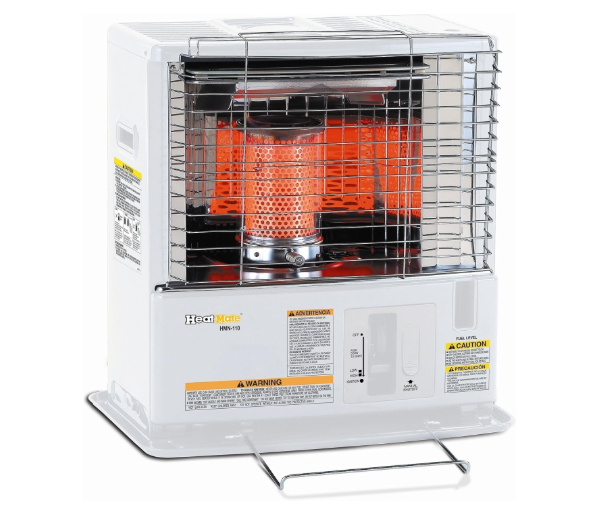
Sengoku HeatMate Portable Kerosene Heater
- Tip-over switch included
- Push-button start
- Up to 14-hour burn time
For Outdoor Cooking
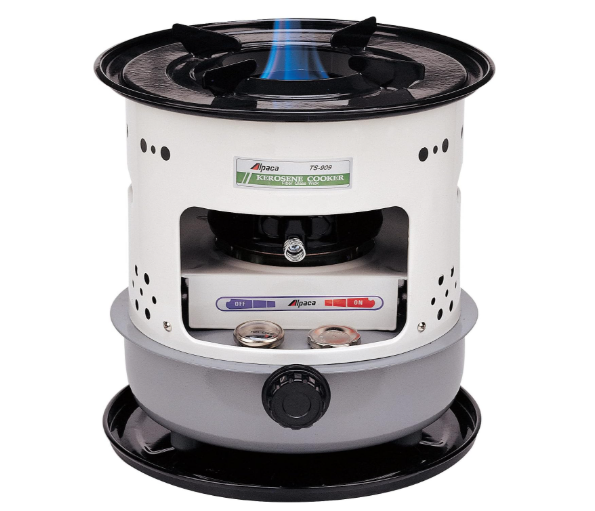
Alpaca Kerosene Cook Stove
- Steel drip tray included
- Pot and pan supports
- Fully adjustable flame
Picks By Need
Ideal for Cordless Room Heating: Sengoku HeatMate Portable Kerosene Heater → View on Amazon
Ideal for Outdoor Camp Cooking: Alpaca Kerosene Cook Stove → View on Amazon
Ideal for Garage and Camp Heating: Garvee Portable Kerosene Heater → View on Amazon
Ideal for Boiling Water and Heating: GfsGsjzc Kerosene Heater and Stove → View on Amazon
How Wick and Pressure Kerosene Stoves Actually Work
A wick stove is the simpler design. A cotton or fiberglass wick draws kerosene up from the tank, and the burner turns that fuel into a flame at the top of the wick. Raising or lowering the wick changes the flame, which is why careful adjustment matters.
A pressure stove works differently. A hand pump builds air pressure in the tank, which pushes fuel through a small nozzle to a burner that is preheated until the fuel vaporizes. The flame is hotter and more compact than a wick flame, so this type shows up in camp cooking more than in room heating.
Heaters add one more split. Convection models are tall cylinders that warm the air around them, while radiant models use a reflector to throw heat in one direction. A wick heater of either kind burns inside the room, so the gases it makes stay in the room too.
That last point drives most buying and safety decisions. Whatever the design, the stove needs clean fuel, a correctly set wick, and fresh air coming in.
Best Kerosene Stove Heaters for Home Camping and Cooking
1. Sengoku HeatMate Portable Kerosene Heater for Cold Rooms
The Sengoku HeatMate pairs a 10,000 BTU burner with a cordless push-button start, so you light it without matches or electricity. A 1.2-gallon tank supports a listed burn time of up to 14 hours for spaces up to 400 square feet.
An automatic shut-off, tip-over switch, and protective grills add safety, while the EZ flame adjuster simplifies control. It is one of the better portable picks for garages and hard-to-heat rooms.
Feedback Themes
Users often mention good heat output, easy use, and dependable backup warmth, while some note odor, burn quality, and setup instructions.
Key Highlights
- Push-button start, no matches needed
- Automatic shut-off with tip-over switch
Why It Helps
- Runs without electricity during outages
- Long burn time per tank
- Portable and easy to carry
Suited To
- Garages and workshops
- Poorly insulated rooms
- Indoor and outdoor spaces
Before You Choose
Use approved kerosene and keep fresh air flowing. Heating area is limited to about 400 square feet, and some users mention odor.
2. Alpaca Kerosene Cook Stove for Outdoor Cooking Needs
If you want a kerosene stove for camping or outage cooking, the Alpaca TS-909 gives you an 8,500 BTU burner with pot and pan supports and a fully adjustable flame. A one-gallon tank of 1-K kerosene is listed for up to 16 hours of cooking.
A steel drip tray, carry handles, easy-clean top pan, and fuel gauge keep setup tidy, and no electricity is needed. It is one of the better compact options for outdoor cooking.
Feedback Themes
Users often mention solid build quality and versatility as a backup cooker and heater, while some note an exhaust smell when used indoors.
Key Highlights
- Steel drip tray catches spills
- Pot and pan supports on top
- Fuel gauge for easy checks
Why It Helps
- Cooks without electricity
- Adjustable flame for different heat levels
- Carry handles make it easy to move
Suited To
- Camping and tailgating
- Backyard and patio cooking
- Emergency preparedness kits
Before You Choose
Listed for outdoor cooking. Some users note an exhaust smell indoors, so keep the area ventilated and use 1-K kerosene.
3. Garvee Portable Kerosene Heater With Cookware Grate
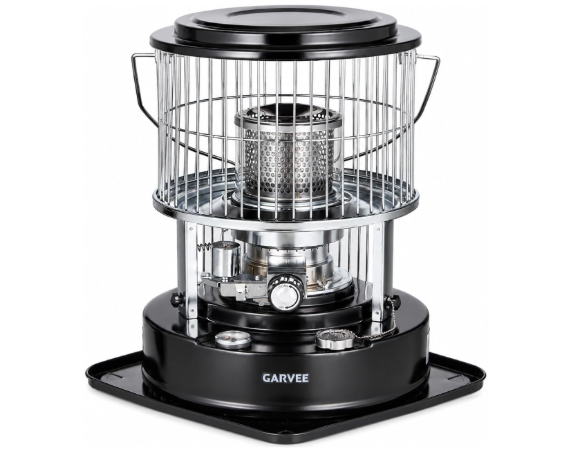
Heat and a cooking surface in one compact unit is the draw here. The Garvee delivers 360-degree heat from an 8,000 to 9,000 BTU burner, with a sturdy top grate that holds cookware such as kettles and frying pans.
Daily operation relies on a flame control knob, fuel gauge, and safety guard, and the kit includes a siphon pump, funnel, and spare cotton wick. The listing cites up to 20 hours of runtime, making it one of the better small options for outage backup.
Feedback Themes
Users often mention strong heat for its size, straightforward operation, and useful included accessories, while some note a learning curve when lighting it and ask for clearer instructions.
Key Highlights
- Top grate holds kettles and pans
- Fuel gauge and flame control knob
- Siphon pump and spare wick included
Why It Helps
- No electricity needed
- 360-degree heat spreads around the unit
- Compact for storage
Suited To
- Garages and workshops
- Camping and hunting trips
- Emergency backup heating
Before You Choose
Listing details on shutoff and heated area vary, so confirm them in the manual and keep fresh air flowing.
4. GfsGsjzc Kerosene Heater and Stove With Three Wicks
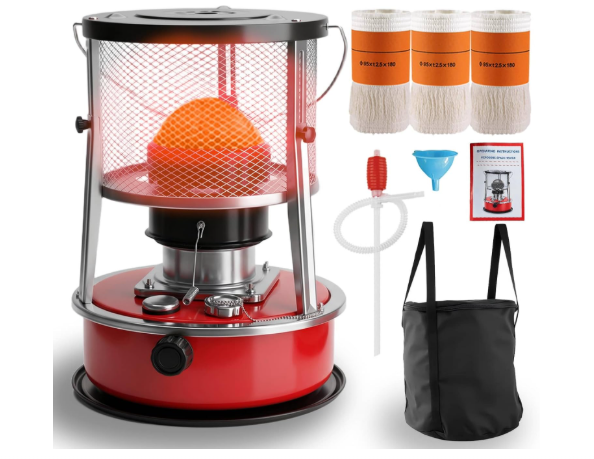
On a cold garage morning or during a power cut, a heater that also boils water is handy. The GfsGsjzc unit uses three wicks and a 9,000 BTU radiant burner with a large reflective screen for 360-degree warmth.
A height-adjustable hood brings pots closer to the flame for cooking and boiling water, and the listing cites up to 18 hours per tank. It is one of the better dual-purpose options for camping and emergency kits.
Feedback Themes
Early feedback points to good heat for short periods and solid-feeling, well-packed construction, with spare wicks included. Review detail is still limited.
Key Highlights
- Three wicks for steady burning
- Height-adjustable cooking hood
- Large reflective screen
Why It Helps
- Heats and cooks without electricity
- Radiant warmth in all directions
- Spare wicks come with it
Suited To
- Garages and camping tents
- Emergency heating kits
- Boiling water on the go
Before You Choose
Use only approved kerosene, ventilate well, and confirm safety features in the manual first. The listing does not describe a tip-over switch.
What to Check Before Choosing the Best Kerosene Stove
- Safety features: Look for a flame guard, tip-over shutoff, and a listing from a recognized testing lab.
- Heat output: Pick a rating that fits your room instead of the largest unit on the shelf.
- Fuel tank: A bigger tank means fewer refills, but a full tank is heavier to carry.
- Lighting method: Match-lit models need no power, which suits outages.
- Portability: A secure handle and wide base make moving a cool unit easier and steadier.
- Wick supply: Confirm that replacement wicks are easy to find, since the wick wears out first.
- Main job: Heating, camping, and cooking each call for a different design, so decide this first.
Matching Kerosene Stove Heat Output to Room Size
Bigger is not better with a heater that burns inside the room. An oversized unit can raise carbon monoxide and other pollutant levels, and it may waste fuel, which is why safety agencies say to buy the correct size for the space.
Start with the maker coverage rating, which lists the floor area the heater is meant to warm. Then adjust for your room, because tall ceilings, drafts, and open doorways all make a space harder to heat, while a small sealed room heats very quickly.
A small, closed room is the riskiest case. If a heater makes the space too hot too fast, the unit is likely too large for it.
Fresh air belongs in the sizing plan too. Keep a door open to the rest of the house so the stove has air to burn and the gases have somewhere to go.
Wick Heater or Torpedo Heater for Kerosene Home Heating
Two very different machines both get called kerosene heaters. A wick heater is a quiet, fanless unit built for rooms. A torpedo heater, also called a forced-air heater, uses a fan to push hot air through a burner and is built for much larger spaces.
Torpedo-style models put out far more heat and need electricity to run the fan. Their manuals call for fresh air, and most are aimed at garages, barns, workshops, and job sites rather than living rooms.
For a living room, basement, or outage backup, a wick convection or radiant unit is the better match. Convection models spread warmth around a room, while radiant models warm whatever sits in front of them, which suits a small work corner.
If you are also weighing fuels, our comparison of diesel and kerosene heaters covers the trade-offs. Whichever type you pick, size it to the space and give it fresh air.
Which Kerosene Camp Stove Style Suits Outdoor Trips Best
For camping, weight, stability, and fuel supply matter more than room-warming power. Wick stoves are simple and have few parts, while pressure stoves usually deliver a hotter, more focused flame for boiling water.
Check the base and pot supports first. A wide, flat base and sturdy supports keep a loaded pot steady, and a windscreen helps shelter the flame. Pack the stove so no fuel can leak, and carry kerosene only in a sealed container made for it.
Treat the stove as an outdoor tool only. Federal safety guidance warns that people die every year from carbon monoxide poisoning when camping stoves, heaters, and lanterns are used inside tents, campers, and vehicles, so cook outside and away from the tent.
Never refill the stove while it is warm, and keep it on level ground well away from tent walls and dry grass.
Kerosene Cook Stove Features That Matter for Daily Cooking
Cooking asks different things from a stove than heating does. You want a flame you can adjust, a flat grate that holds a pot without rocking, and a body that stays put when you stir.
Burner layout sets how heat reaches the pan. Multi-wick designs spread flame across a wider area, while a single circular wick suits simmering and smaller pots, so match the layout to the pots you actually use. Read the maker guidance on pot size and weight before you buy.
Kerosene burning releases combustion gases, so cook near an open window or in a well-aired space. A smoky flame means something needs adjusting, so turn the stove off and check the wick. Keep towels, paper, and spare fuel away from the flame, and let the stove cool completely before refilling it.
Is a Kerosene Stove Safe to Run Indoors?
It can be, with conditions. Kerosene heaters and stoves are unvented, which means they release combustion gases such as carbon monoxide and nitrogen dioxide into the room. That is why safety agencies list indoor air pollution and carbon monoxide poisoning among the main hazards.
Ventilation is the first rule. Keep a door open to the rest of the house or provide fresh air as the manual directs, and never use a stove in a sealed room. Watch for headache, dizziness, nausea, or burning eyes and nose, and if you feel them, get fresh air at once and have the heater checked.
Placement matters nearly as much. Set the unit on a level, hard, nonflammable surface, at least three feet from bedding, furniture, and drapes, and never use it to dry clothes. Keep children and pets back, and make sure the flame guard stays in place.
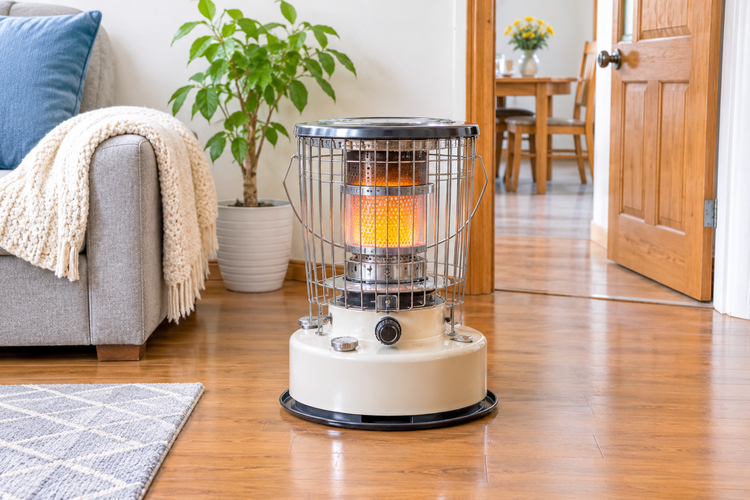
Never leave it burning while you sleep or leave the house. Dangerous levels of carbon monoxide can build up, or uncontrolled burning can start a fire. If night use is on your mind, our guide to overnight heater safety goes through it in more detail.
Install a carbon monoxide alarm that meets UL 2034 or IAS 6-96 near sleeping areas, and test it regularly. A tip-over shutoff or flame guard helps, but neither replaces fresh air. For more, read our full guide to indoor kerosene heater safety.
If the room is shared with infants, pregnant women, or anyone with heart or lung disease or anemia, pick a different heat source, since these groups are more sensitive to carbon monoxide.
Lighting and Running a Kerosene Stove Step by Step
- Pick the spot. Read the manual, then set the unit on a level, hard, nonflammable surface at least three feet from bedding, furniture, and drapes, with a door open to the rest of the house.
- Refuel outside. Turn the heater off, let it cool, and fill the tank outdoors, never beyond the full mark.
- Wipe and check. Clean any spill from the outside of the tank, make sure the cap seats properly, and let fumes clear before lighting.
- Light it as the maker directs. Set the wick at the height the manual gives, then let the flame settle before you adjust anything.
- Adjust slowly. Make small changes and watch for smoke or flaring. If the flame flares up or burns out of control, do not move the heater. Use the manual shutoff if it has one, never water or a blanket, and if the flame stays lit, leave the area and call the fire department.
- Shut down and cool. Turn it off before you sleep or leave the room, and let it cool fully before you touch the tank or move the unit.
Safe Kerosene Storage and Refueling Rules for Your Stove
Going by the manufacturer manuals for wick heaters, most list 1-K kerosene as the only approved fuel.
- Buy 1-K kerosene from a dealer who can certify the grade, since water-clear color does not prove it.
- Store it outside living areas in a sealed blue container clearly labeled Kerosene.
- Never put gasoline in the tank, and never reuse a container that once held gasoline.
- Refuel outdoors, with the heater off and fully cool.
- Fill only to the full mark, because fuel expands as it warms.
- Wipe up spills and let fumes clear before you light the stove.
- Keep spare fuel away from the heater and from any spark or flame.
- Check the manual before trying any other fuel, and read our guide on diesel in a kerosene heater to see why wick and forced-air models differ.
Cleaning and Trimming a Kerosene Stove Wick Properly
A clean wick is the best defense against smoke and odor. Let the stove cool, then wipe soot from the burner and body with a dry or lightly damp cloth, and remove debris from the wick as the manual instructs.
Most makers publish their own wick care steps, including how to trim and set the wick height, so follow those rather than a generic rule of thumb. Replace a wick that is hard, uneven, or heavily crusted.
Have a kerosene heater inspected once a year by a qualified person, and keep guards and controls in place. A heater that is not working properly can release harmful amounts of pollutants.
Pros and Cons of Owning a Kerosene Stove
Pros
- Works without electricity during outages
- Portable enough to move between rooms or trips
- Simple controls with few moving parts
- Wick models run quietly
Cons
- Releases combustion gases into the room
- Needs fresh air and a carbon monoxide alarm every time
- Needs regular wick care and careful refueling
- Wrong fuel brings smoke, odor, and fire risk
FAQs About Kerosene Stove Fuel and Safety
What Is the Difference Between 1-K and 2-K Kerosene?
Both grades are sold as kerosene (often labeled K-1 and K-2) and both can look water clear, so color tells you nothing. The difference is sulfur: 1-K is low in sulfur, while 2-K carries much more, which raises sulfur dioxide emissions and gives off a sharper smell as it burns. Official guidance and heater makers call for 1-K in portable wick heaters. Ask the dealer to certify the grade, check the pump label, and avoid any fuel that cannot be identified.
Can You Use Diesel or Gasoline in a Kerosene Stove?
Never use gasoline. Even a small amount in the tank can cause a fire, and a container that once held gasoline should not carry kerosene. Diesel is not a safe swap for wick models, since it burns sooty and can foul the wick. Some forced-air heaters list No. 1 or No. 2 diesel as approved fuel, so the manual decides. If the label names 1-K only, stay with 1-K.
Can You Use a Kerosene Heater in a Mobile Home?
Mobile homes need specially designed heating equipment, and federal safety guidance says only electric or vented fuel-fired heaters should be used in them. A portable kerosene stove releases its combustion gases into the living space, so it does not fit that advice. If you live in a mobile home, check the heater manual and local rules, and consider a vented model instead if you need fuel-fired heat.
Can You Cook on Any Kerosene Heater?
Only when the maker designs it for cooking. Many heater-only models carry a label saying not to warm or cook food on them, so read the warnings before putting a pot on any heater. Combo units that list cooking as an intended use are the exception, and even then you should follow the manual for pot size and placement. Keep the area aired, and never leave a pot unattended over an open flame.
Why Does My Kerosene Stove Smell or Smoke Black?
A sharp or rotten egg smell often points to fuel with too much sulfur, so check that you are burning certified 1-K. Black smoke usually means the wick is set too high, the wick is dirty, or air flow is blocked. Turn the heater off, let it cool, lower or clean the wick as the manual describes, and ventilate the room. A smell that returns after cleaning is a reason to stop using the unit and have it checked.
Picking the Right Kerosene Stove With Confidence
If you need room heat during an outage, choose a wick convection or radiant heater sized to your space, with a tip-over shutoff and a listing from a recognized testing lab. If you cook or camp, pick a stable stove built for that job and keep it outdoors.
In every case, use certified 1-K kerosene, refuel cold and outside, and plan for fresh air and a carbon monoxide alarm. Kerosene is not the right fit for tight rooms, mobile homes, or anyone who cannot give the stove regular attention. When those limits apply, an electric or vented heater is the safer route.
