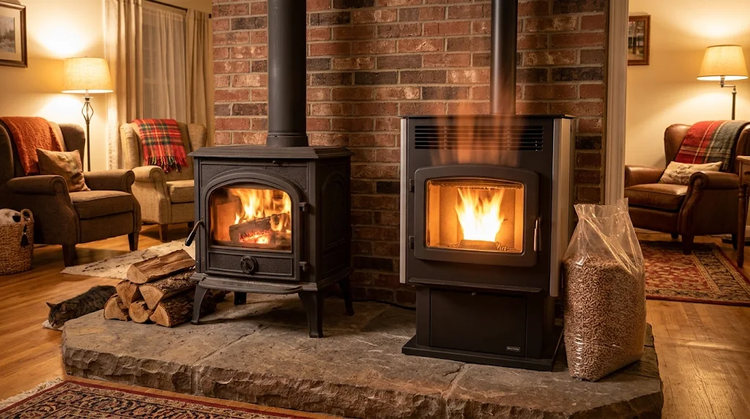
Wood Stove or Pellet Stove for Home Heating

Disclosure: As an Amazon Associate, I earn from qualifying purchases. Learn more
Some heat crackles and some heat hums. If you want a fire that keeps going when the power drops, the Vogelzang Plate Steel Wood Stove is the stronger fit, while the Cleveland Iron Works Pellet Stove suits you if you would rather fill a hopper and let the stove manage itself.
Most people weighing a wood stove vs pellet stove are not choosing between good and bad. They are choosing how much daily effort they will put in, how they handle power outages, and how much fuel storage space they have. Wood rewards hands-on owners with radiant heat and no need for electricity. Pellets reward busy households with automatic feeding and steadier output.
The real hesitation is usually commitment. Below you will see how each stove makes heat, what it costs to run, how upkeep differs, and a simple rule to help you decide.
The Vogelzang Plate Steel Wood Stove brings EPA-certified log heat with a blower, while the Cleveland Iron Works Pellet Stove offers a large hopper and app control for whole-home warmth.
For Off-Grid Warmth
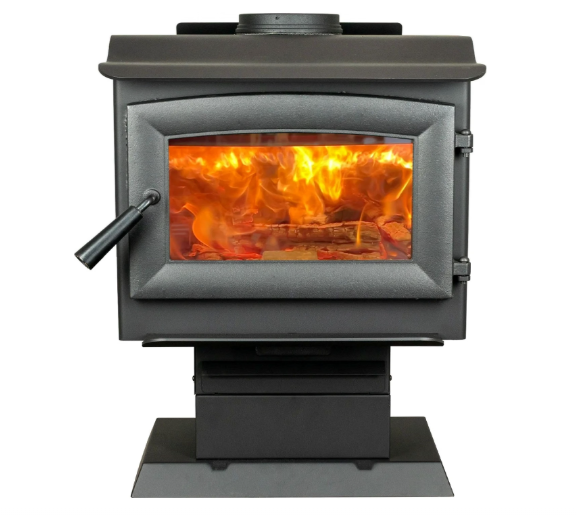
Vogelzang Plate Steel Wood Stove
- EPA 2020 certified
- Takes 18-inch logs
- Air-washed ceramic glass
For Hands-Off Heating
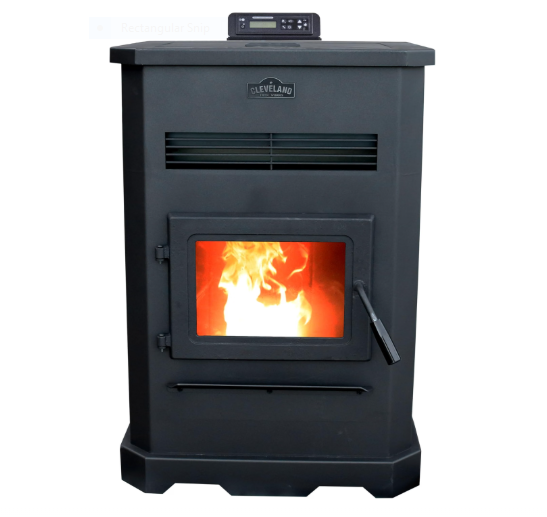
Cleveland Iron Works Pellet Stove
- 130 lb pellet hopper
- Built-in Wi-Fi control
- Steel and cast iron build
How Wood Stoves and Pellet Stoves Make Heat
A wood stove is a sealed firebox that burns split logs. You load the wood, set the air control, and the hot steel or iron body radiates heat into the room. Once lit, the fire itself needs no electricity.
A pellet stove burns small, compressed pellets made from ground, dried wood and other biomass. You pour pellets into a hopper, and a motorized feeder moves them into the burn pot while a fan pushes warm air out. That automation is why pellet heat feels steady and controlled.
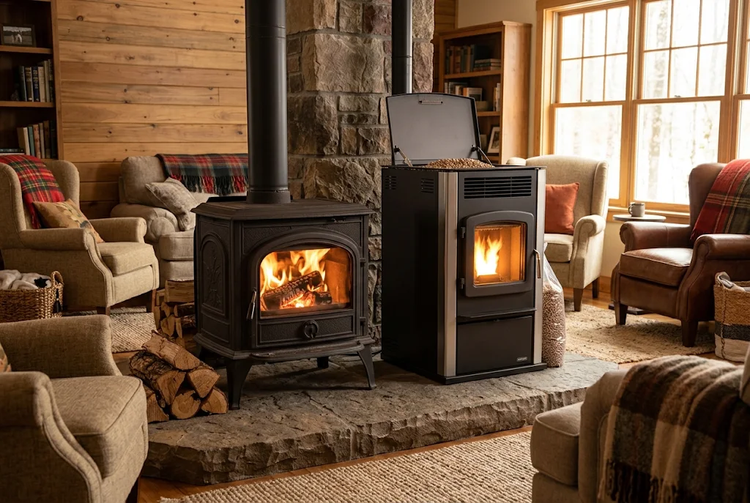
Both burn wood fiber in the end. The difference is how much of the work you do and how much a machine does for you. If you are still comparing body materials for a log burner, this look at cast iron versus steel explains how each holds and releases heat.
Fuel Supply and Daily Effort for Each Stove
Fuel is where most owners feel the difference every single day. Here is how the routine compares.
Wood Stove
- Fuel form: split logs, which you buy by the cord or cut yourself
- Storage: a covered, ventilated woodpile with room to season
- Daily work: carrying logs, reloading every few hours, adjusting air
- Fuel quality: depends on how dry the wood is
Pellet Stove
- Fuel form: bagged pellet fuel, usually sold in 40 lb bags
- Storage: a dry garage or basement corner for stacked bags
- Daily work: topping up the hopper, often once a day or less
- Fuel quality: consistent size and low moisture from the factory
Firewood moisture matters more than most people expect. Wet logs waste heat and make more smoke, so it pays to check that firewood is ready to burn before the season starts.
Which Stove Keeps Working During a Power Outage
This is often the deciding question. A wood stove burns and radiates heat with no power at all, which is why many rural homeowners keep one as backup heat during winter storms.
Most pellet stoves rely on electricity to run the feeder, fans, and controls. According to federal home heating guidance, a pellet appliance without a backup power supply stops heating during an outage and can let smoke into the home.
Some pellet stoves can be paired with a battery backup, and a few gravity-fed models skip the motorized feeder. If outages are common where you live, plan your backup before you buy, not after the first storm.
Vogelzang Plate Steel Wood Stove for Classic Fire Heat
If you want real flames and radiant warmth, this plate steel stove covers the classic side of the comparison. It is an airtight design rated at 68,000 BTU and listed to heat up to 1,200 square feet.
A cast iron door holds air-washed ceramic glass, which helps keep the view of the fire clear. It accepts 18-inch logs, connects through a 6-inch flue collar, and comes with a blower to help move warm air into the room.
In-Use Impressions: It fits owners who enjoy tending a fire and want heat that does not depend on the grid.
Key Highlights:
- EPA 2020 certified wood burner
- Glass door shows the fire
Main Advantages:
- Fire burns without electricity
- Radiant heat for living areas
- Blower helps spread warmth
Fits Best With:
- Seasoned firewood up to 18 inches
- A 6-inch flue and proper chimney
- Cabins, workshops, and medium-size homes
Fair Warning: It is a newer listing with little owner feedback so far. Professional installation, proper clearances, and a sound chimney matter more than the stove itself.
Cleveland Iron Works Pellet Stove for Steady Whole-Home Warmth
Busy households get the hands-off side of the comparison here. This large pellet stove is listed to heat homes from 2,000 to 3,000 square feet, and its 130 lb hopper means fewer refills on cold days.
Built-in Wi-Fi lets you adjust heat from a phone app, and a quiet blower moves warm air without much noise. The maker describes it as an EPA-approved, high-efficiency design with solid steel and cast iron construction and easy-access service areas for cleaning.
In-Use Impressions: It suits owners who want set-and-forget heat across a large floor plan rather than a fire to tend.
Key Highlights:
- App control through built-in Wi-Fi
- Extra-large pellet hopper
Main Advantages:
- Long burns between refills
- Steady, controlled heat output
- Quieter blower operation
Fits Best With:
- Certified bagged wood pellets
- Homes of 2,000 to 3,000 sq ft
- A battery backup for outages
Fair Warning: It needs electricity to run, so plan a backup power option. Weekly cleaning and yearly professional service keep the feeder and burn pot working well.
Efficiency and Smoke From Wood Versus Pellet Heat
Efficiency decides how much of your fuel turns into usable heat. Pellet stoves usually have the edge because the feeder keeps the fire at a steady size.
| Point | Wood Stove | Pellet Stove |
|---|---|---|
| Burn control | Manual air setting | Automatic feed and fan |
| Smoke | Low if certified and fed dry wood | Very little when run correctly |
| Creosote | Builds faster with wet wood | Minimal |
| Heat feel | Strong radiant heat | Even, fan-driven heat |
The EPA notes on pellet stoves put certified pellet models in the 70 to 83 percent efficiency range. A wood stove can come close only when it is a modern certified model burning well-seasoned logs.
Installation and Venting Needs for Wood and Pellet Stoves
A wood stove needs a full chimney or listed chimney system that can handle high exhaust temperatures, plus floor protection and clearances to walls. That often makes the install the bigger part of the total cost.
Many pellet stoves vent through a smaller pipe, sometimes straight through an exterior wall, because their exhaust runs cooler. They also need a nearby outlet for power.
For either type, have a professional check the venting and floor protection, and confirm local building codes first. Some areas limit wood-burning installations because of air quality.
Running Costs Over a Wood or Pellet Stove’s Life
Fuel cost swings the most. If you can cut or source free firewood, a wood stove can be very cheap to run, though you pay in time and labor. Bought firewood and bagged pellets often land closer together, and pellets deliver more predictable heat per bag.
Pellet stoves add a small electric bill. Federal guidance puts typical use around 100 kWh a month for fans, controls, and the feeder. They also have motors and sensors that may need replacing over the years.
Wood stoves have fewer parts to fail, but chimney cleaning and gasket replacements still add up over time.
Maintenance Routines Side by Side for Both Stoves
Neither stove is maintenance-free. The work just looks different.
Wood Stove
- Ash: empty the firebox regularly once ash builds up
- Glass: wipe the door when soot clouds the view
- Chimney: yearly inspection and cleaning for creosote
- Gaskets: replace when the door no longer seals tightly
Pellet Stove
- Ash: clean the burn pot and ash pan often, even weekly
- Glass: wipe as needed, usually less often
- Venting: clean the exhaust path and have the stove serviced yearly
- End of season: empty leftover pellets to prevent rust
A simple pellet stove cleaning routine keeps the feeder and igniter working, while wood stove owners should learn how to clean creosote buildup safely.
Safety Points Every Stove Owner Should Know
Most stove problems trace back to installation, fuel, or skipped upkeep. Federal guidance points to a few habits that matter most:
- Size the stove to the space: an oversized wood stove tends to smolder, wasting fuel and adding smoke
- Burn only seasoned wood: aim for 20 percent moisture or less
- Inspect the chimney every year: ideally before the heating season starts
- Plan for outages with pellets: without backup power, an outage can let smoke into the home
- Use certified pellets: consistent fuel helps the stove burn cleanly
Pellet and Wood Combo Stoves Worth Considering
Some households want both worlds, which is why combination pellet and wood stoves exist. These units can burn either fuel, so you can run pellets for daily convenience and switch to logs when you have firewood on hand.
The trade-off is complexity. A combined pellet and wood stove has more parts than a simple log burner, and it may still need power for its pellet mode. Check the manual for how each fuel is loaded and what venting the unit requires.
If you already know which fuel you will use most, a dedicated wood or pellet stove is usually simpler to own.
Choosing a Stove by Home Size and Heating Role
Start with the job you want the stove to do. A stove for one living area or a cabin can be modest, while a stove meant to carry a whole house needs more output and longer burn times.
Going by the listed specifications, the Vogelzang wood stove is rated for up to 1,200 square feet, while the Cleveland Iron Works pellet stove lists 2,000 to 3,000 square feet, so the two fit different home sizes as much as different lifestyles.
Think about the heating role too. A wood burning heater makes a strong backup or zone heater. A pellet heater indoors works well as a main heat source for a room or open floor plan when power is reliable.
Mistakes New Wood and Pellet Stove Owners Make
- Burning wet or green wood: more smoke, less heat, and faster creosote buildup
- Buying the biggest stove available: an oversized unit runs low and dirty
- Skipping a backup plan for pellets: the house goes cold when the power does
- Using cheap, dusty pellets: more ash and more frequent cleaning
- Treating installation as a DIY shortcut: poor venting and clearances create real fire risk
- Forgetting the end-of-season cleanout: leftover pellets can absorb moisture and cause rust
Who Should Skip a Wood Stove or Pellet Stove
Skip a wood stove if you cannot store and season firewood, have trouble lifting heavy loads, or live where wood-burning is restricted on poor air days.
Skip a pellet stove if your area loses power often and you do not want to invest in backup, or if you have no dry space to store bagged fuel.
If you only want occasional ambiance in a small room, neither may be worth the install. A small electric heater or a mini pellet stove might fit better.
Decision Rule for Picking Wood or Pellet Heat
When you are stuck, this rule settles most cases:
- Choose wood if power outages worry you, you have access to dry firewood, and you enjoy tending a fire.
- Choose pellets if you want steady heat with little daily effort, have reliable power or a backup, and can store bagged fuel.
- Consider a combo only if you truly expect to use both fuels often.
If two of the three points in one line describe you, that is usually your answer.
Questions Owners Ask About Wood and Pellet Stoves
Can a pellet stove burn firewood?
No. A standard pellet stove is built around a feeder and burn pot sized for pellets, so logs will not fit or burn safely. Some pellet stoves can also burn other approved biofuels such as corn, but only when the manual says so. If you want the option of burning logs, look at a dedicated combination unit that is designed and listed for both fuels, and follow its loading and venting instructions exactly.
Does a pellet stove need a chimney?
Not always a full masonry chimney. Many pellet stoves use a smaller listed vent pipe, and some can vent through an exterior wall because their exhaust runs cooler than a wood stove’s. The exact setup depends on the stove model, the manufacturer’s installation manual, and your local building code. Have a professional confirm the venting route, the distance from windows and doors, and any rules for outdoor air intake before installing.
How much electricity does a pellet stove use?
Less than many people expect. Federal guidance puts typical use at roughly 100 kWh per month to run the fans, controls, and feeder. The real concern is not the bill but dependence on power. During an outage, a pellet stove without backup stops heating, so many owners add a battery backup or a small generator plan. A wood stove avoids that issue entirely.
Can a wood or pellet stove be the only heat source?
A pellet stove can serve as the main heat for many homes, especially open layouts where a fan can move warm air. A wood stove can also heat a home, but it requires regular reloading and dry fuel. EPA guidance suggests using wood heat mainly as a supplement or outage backup because even the cleanest wood appliance produces more smoke than gas or electric options.
How often should the chimney or vent be inspected?
Once a year is the standard recommendation, ideally before the heating season begins. A certified chimney sweep checks for creosote, blockages, and damage in wood stove chimneys and pellet vents alike. Wood stoves burning wet wood may need cleaning more often because creosote builds faster. Pellet stoves also benefit from a yearly professional service of the motors, gaskets, and exhaust path.
Settling the Wood or Pellet Question at Home
The main difference comes down to effort and power. A wood stove gives you radiant heat that keeps going during outages but asks you to source, store, and load firewood. A pellet stove gives steadier, more automatic heat with less smoke but depends on electricity and bagged fuel.
Both need proper installation, yearly inspection, and the right fuel. A simple rule works for most homes: if outages and firewood access matter most, go with wood, and if convenience and steady whole-home heat matter most, go with pellets.
For readers who want steady, low-effort heat across a larger home, the Cleveland Iron Works Pellet Stove is the calmer everyday choice.
