
4 Best Bio Ethanol Fireplaces – Expert Choice

Disclosure: As an Amazon Associate, I earn from qualifying purchases. Learn more
A living flame no longer needs a chimney, only a steady place to burn. For most readers, the Vass Design Linear Bioethanol Burner is the strongest starting point, a stainless drop-in burner built to sit inside a custom wall, hearth, or fire table.
Picture yourself in an apartment with no flue, wanting real fire on winter evenings. Before you buy, three questions matter most: how the unit is refueled, whether it suits indoor ventilation, and how much real heat you expect from it. Getting those right matters more than the look of the base.
Below, you will find four options sorted by need, followed by the safety rules, fuel advice, and placement tips that decide whether an ethanol flame stays calm and controlled.
The Vass Design Linear Bioethanol Burner suits built-in walls and hearths, while the SODEF Tabletop Bioethanol Fireplace adds a glass-shielded flame to a coffee table or console.
For Custom Builds
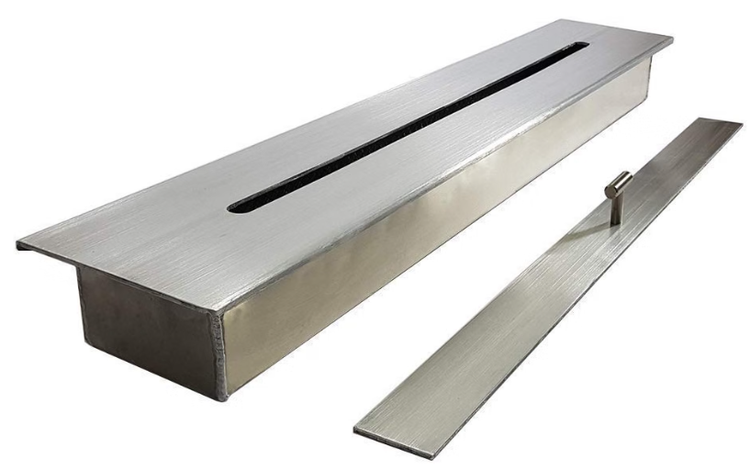
Vass Design Linear Bioethanol Burner
- 31.5 inch linear length
- Drop-in or recessed mount
- Stainless steel burner body
For Coffee Tables
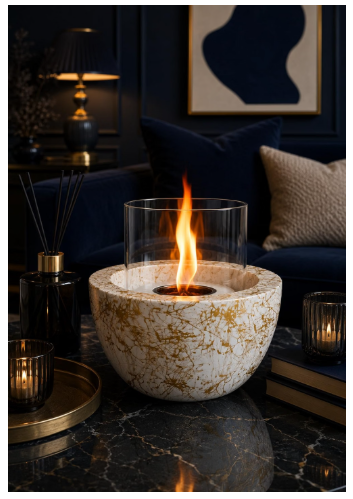
SODEF Tabletop Bioethanol Fireplace
- Handmade concrete base
- Borosilicate glass cylinder
- Starter fuel bottle included
Why Choose a Bio Ethanol Fireplace Over Wood or Gas
A bio ethanol fireplace burns liquid alcohol fuel made from plant sugars. It needs no chimney, flue, gas line, or electrical hookup, so you can place one where a traditional fireplace could never go.
The flame is real, yet there is no smoke, ash, or soot to clean. That makes these units practical in apartments, condos, and modern rooms where a wood fire is impractical.
Gas fireplaces need a fuel line and professional installation. Wood fireplaces need a chimney, regular sweeping, and a place to store logs. An ethanol unit skips all of that, which is its biggest practical advantage.
The trade-off is that you handle a highly flammable liquid fuel by hand. Every benefit depends on refueling and using the unit exactly as its maker intends, which the safety sections below cover in detail.
Selecting These Ethanol Burners and Tabletop Units
Every product here had to clearly state on its listing that it burns bioethanol, or explain plainly when it does not. We looked for real fireplace hardware such as burner inserts and tabletop units rather than fuel, accessories, or decorative lamps.
We also checked each listing for details that matter to safety and fit, including materials, dimensions, mounting style, and how the flame is put out. Specifications come only from the product listings.
Your choice in this category is limited right now, and most options have little owner feedback so far. For that reason, we kept the list short and flagged every limit you should weigh before you buy.
Reviews of Bio Ethanol Fireplaces and Burner Inserts
1. Vass Design Linear Bioethanol Burner for Built-In Walls
Designers planning a custom wall feature will find this burner easy to work around. The 31.5-inch linear stainless steel body drops into wall enclosures, stone hearths, outdoor fire tables, or custom fire pits, with a rivet-free look.
It runs on bioethanol or liquid ethanol, sold separately, and needs no chimney, flue, gas line, or electrical hookup. The maker says it adds noticeable warmth within 15 to 20 minutes of lighting.
Everyday Use Notes: It works as a clean ethanol burner insert for anyone building a long, modern flame line into a wall or hearth.
Key Highlights:
- Drop-in or recessed installation
- Rivet-free linear design
Practical Gains:
- No venting or gas line needed
- Wide flame suits long wall openings
- Works indoors or in outdoor fire tables
Suited To:
- Custom wall enclosures and stone hearths
- Outdoor fire tables
- Bioethanol or liquid ethanol fuel
Fair Warning: It needs a properly built non-combustible enclosure. Fuel is sold separately, and the listing has very little owner feedback so far.
2. Vass Design Square Bioethanol Burner for Fire Tables
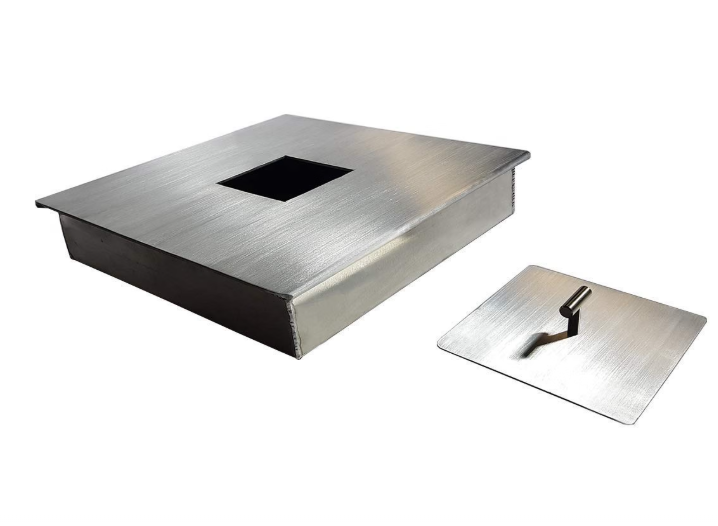
A square flame suits a center table or a compact hearth better than a long strip. This 15.7 by 15.7 inch burner drops in or recesses into a surround, giving you a fuller, more central fire.
Like its linear sibling, it burns bioethanol or liquid ethanol, sold separately, with no chimney, gas, or wiring required. That makes it a practical bioethanol fireplace insert for a custom fire table or a squared-off hearth opening.
Everyday Use Notes: The compact square shape keeps the flame centered, which reads well on a coffee-height fire table outdoors or a small built-in indoors.
Key Highlights:
- Square 15.7 by 15.7 inch footprint
- Drop-in or recessed mounting
Practical Gains:
- Centered flame for square tables
- No venting or utility hookups
- Fits compact hearth openings
Suited To:
- Square fire tables and pits
- Small built-in surrounds
- Bioethanol or liquid ethanol fuel
Fair Warning: The listing describes the material inconsistently, so confirm details with the seller. It needs a non-combustible surround and has very little owner feedback.
3. SODEF Tabletop Bioethanol Fireplace With Glass Flame Shield
Style leads with this one. A handmade concrete base with a matte gold pattern holds a stainless steel fuel tank, and a heat-resistant borosilicate glass cylinder surrounds the flame.
The base measures 7.1 by 3.9 inches, so it fits on a coffee table, console, or dining table. The set includes the base, glass cylinder, fuel tank, and a 500 ml bottle of bioethanol fuel, and the maker lists it for indoor and outdoor use.
Everyday Use Notes: It works best as a small decorative flame for atmosphere rather than as a source of room heat.
Key Highlights:
- Glass cylinder around the flame
- Starter bioethanol fuel included
Practical Gains:
- No installation required
- Small footprint for tables
- Decor-friendly concrete and gold finish
Suited To:
- Coffee tables and consoles
- Patios and balconies
- Bioethanol fuel
Fair Warning: The listing does not explain refilling or snuffing. Confirm it is not a pour-and-light open reservoir, a design federal safety officials warn against.
4. WneFu Concrete Tabletop Fire Bowl for Gel Fuel
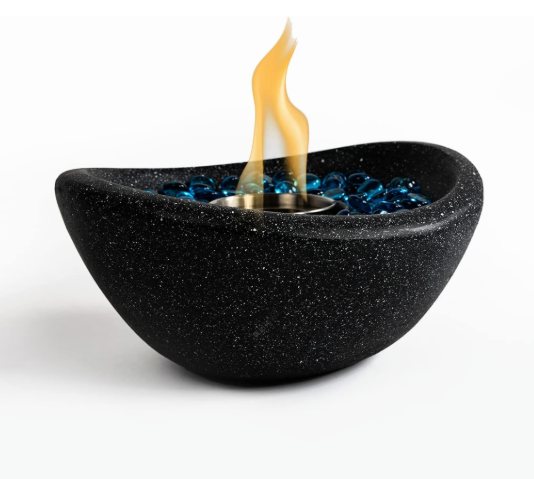
If pouring liquid fuel worries you, this fire bowl takes a different route. The maker states it works only with sealed gel fuel cans or solid wax fuel, not liquid ethanol, to avoid spills and sudden flame surges.
A heat-proof concrete shell holds a 304 stainless steel combustion chamber, and a matching stainless snuffer lid puts the flame out by blocking oxygen. It measures about 10.8 by 11.4 by 5.9 inches.
Everyday Use Notes: It suits patio evenings, small gatherings, and indoor tabletop ambiance for anyone who prefers sealed fuel over pouring.
Key Highlights:
- Sealed gel can or wax fuel only
- Stainless steel snuffer lid
Practical Gains:
- No liquid fuel pouring
- Leftover fuel can be saved
- Quick flame out with lid
Suited To:
- Drop-in gel fuel cans
- Solid wax fuel blocks
- Patio and tabletop use
Fair Warning: This is not a bio ethanol fireplace. It is a gel or wax fuel alternative, included for readers who would rather avoid liquid fuel.
Burner Insert, Tabletop, or Wall Mounted Model, Which Suits You?
Ethanol fireplaces come in a few clear formats, and each fits a different room and budget of effort.
| Format | Best Fit | Main Limit |
|---|---|---|
| Burner insert | Custom walls, hearths, fire tables | Needs a built enclosure |
| Wall mounted unit | Living rooms with no hearth | Secure mounting and clearance |
| Freestanding unit | Movable floor placement | Tip risk on uneven floors |
| Tabletop unit | Small accent flame | Little heat, refill risks |
Burner inserts are the most flexible for design, since you build the surround to match your space. They also take the most planning, because the surround must be non-combustible and sized to the burner.
A wall mounted ethanol fireplace gives you a finished look without construction, but it needs solid anchoring and clear space above and around it. Tabletop units are the easiest to own, yet they deliver atmosphere more than warmth.
Do Ethanol Fireplaces Actually Heat a Room?
They do give off heat, but most are better treated as supplemental warmth than a main heating source. Output depends on burner size, flame setting, and how much fuel the burner holds.
Going by the listed specifications, the Vass Design linear burner is described as adding warmth within 15 to 20 minutes of lighting, while small tabletop units are sold mainly for ambiance.
A larger burner insert in a modest room can take the chill off. A tabletop flame on a coffee table will feel cozy up close but will not change the temperature of the space much.
For a deeper look at how much heat ethanol gives, our separate guide compares output with other heat sources.
Flame Jetting and Why Refilling Is the Riskiest Moment
Most serious ethanol fireplace injuries happen during refueling. If any flame or hot surface remains, vapor from the fuel container can ignite as you pour, and burning liquid can shoot back toward you.
The U.S. Consumer Product Safety Commission has issued a consumer alert on liquid-burning fire pits. It warns that ethanol and alcohol fuels burn above 1,600°F and can cause third-degree burns in under one second.
The agency singles out products where you pour fuel into an open container and light it in the same spot, including items sold as tabletop fire pits or miniature fireplaces. It advises never refilling while any flame is present.
Ethanol flames can also be hard to see in daylight. Always assume a burner is still lit or hot until you have snuffed it and waited for it to cool fully.
Safety Standards to Check Before You Buy
A trustworthy unit tells you which safety standard it was built to meet. Small portable liquid and gel fuel devices are covered by the ASTM F3363 standard, which addresses flame jetting and pooled fuel fires.
Larger fixed decorative appliances fall under a separate UL standard, UL 1370. If a listing names neither, ask the seller directly before buying.
Look for a dedicated snuffer tool or sliding lid, a clearly stated fuel capacity, and a manual that explains filling, lighting, and extinguishing step by step. Vague listings are a warning sign in this category.
A brand you can contact matters too. Clear instructions, replacement parts, and responsive support are worth more than a striking design.
Choosing Fuel for Tabletop and Insert Burners
Use only the fuel type your fireplace maker specifies, usually bioethanol made for fireplaces. Never substitute gasoline, lighter fluid, or other flammable liquids.
The fuel container matters as much as the fuel. In 2025, federal safety officials recalled several bioethanol fuel bottles because they lacked flame mitigation devices, which help stop flames from traveling back into the container.
Buy table top fireplace fuel in containers with a built-in flame arrestor when you can, and store it upright in a cool place away from heat, sparks, and children. Keep only the amount you expect to use.
Gel fuel cans are a separate category. They come sealed and are lit in their own can, which is why some tabletop units are designed only for gel or wax rather than liquid fuel.
Ventilation and Indoor Air With a Ventless Fireplace
Ventless means no chimney, not no exhaust. A burning ethanol flame uses oxygen and releases carbon dioxide, water vapor, and heat into your room.
That is why makers set minimum room sizes and ventilation advice. Follow those numbers closely, and avoid running a large burner in a small, sealed room for long periods.
Crack a window or run fresh-air ventilation if the room feels stuffy, and keep a working carbon monoxide alarm in your home as a general precaution with any fuel-burning appliance.
People with breathing sensitivities should pay close attention to how the air feels, and stop using the fireplace if they notice headaches, dizziness, or discomfort.
Placement and Clearance Rules for Indoor Ethanol Burners
Where you put an ethanol fireplace is as important as which one you buy.
- Stable, level surface: Tabletop and freestanding units must not rock or tip.
- Clear space: Keep curtains, shelves, plants, and paper well away, following the maker’s clearances.
- Non-combustible surround: Burner inserts need a fire-safe enclosure built to the maker’s specs.
- Away from traffic: Avoid hallways and spots where people or pets brush past.
- Out of drafts: Open doors and fans can push flames sideways.
- No hanging decor above: Heat rises, so keep the space overhead clear.
How to Light, Refuel, and Extinguish Safely
A calm routine prevents most accidents. Always follow the maker’s manual first, then use these general steps.
- Make sure the burner is completely out and cool before adding any fuel.
- Fill only to the marked level, using a funnel if needed, and wipe up spills right away.
- Close the fuel container and move it well away from the fireplace.
- Light the burner with a long lighter or long match, keeping your face and hands back.
- Stay in the room while it burns, and keep children and pets at a distance.
- Extinguish with the snuffer tool or lid, never by blowing or pouring water.
- Wait until the burner is fully cool before refilling or cleaning.
Wearing heat-resistant gloves when handling the snuffer or hot parts adds a simple layer of protection.
Common Mistakes When Buying an Ethanol Fireplace
Many disappointing purchases come from expectations rather than defects.
- Expecting whole-house heat: Most units add comfort, not full heating.
- Ignoring refill design: Pour-and-light open containers carry the highest risk.
- Skipping room size limits: Small sealed rooms need extra care.
- Buying an insert without a plan: You still need a safe enclosure.
- Trusting vague listings: Missing manuals and standards are red flags.
- Forgetting fuel costs: You will refill often, so budget for fuel.
Cleaning and Care That Keeps the Burner Working
Ethanol burns cleanly, so care is light, but it still matters. Wipe the burner, glass, and surround only when everything is completely cool.
Use a soft, damp cloth on glass and stainless parts, and avoid abrasive pads that scratch finishes. Check the burner for dents, warping, or residue, and stop using any part that looks damaged.
Keep the snuffer tool or lid where you can grab it quickly. Store fuel separately in a cool, ventilated place, and never leave fuel bottles beside the fireplace.
Who Should Skip Ethanol and Choose Electric Instead
An ethanol flame is not right for every home. Families with curious toddlers, energetic pets, or anyone who might forget a lit burner may be safer with a flameless option.
If you want steady heat for hours with no fuel handling, a flameless electric model is usually the easier choice. You plug it in, set a thermostat, and switch it off.
Electric units have their own rules too, so it helps to read up on electric fireplace safety basics before you decide.
Gel and Wax Fuel Alternatives to Liquid Ethanol
Some tabletop fire bowls skip liquid fuel entirely. They hold sealed gel cans or solid wax blocks, which removes the pouring step where many burn injuries begin.
Gel cans crackle softly on some formulas and are lit in their own container. Wax fuel burns as a solid. Both still produce a real flame, so the same clearance and supervision rules apply.
These alternatives give less heat and a shorter burn per can than a large ethanol burner. They suit atmosphere on a patio or table more than warming a room.
Frequently Asked Questions About Ethanol Fireplaces
Are bio ethanol fireplaces safe to use indoors?
They can be used indoors when the unit is designed for indoor use, sized to your room, and operated exactly as the manual says. The greatest risks come from refilling while hot, spilling fuel, and placing the flame near flammable items. Choose a model with a proper snuffer and clear instructions, avoid pour-and-light open containers, ventilate as directed, and keep a carbon monoxide alarm in your home. Never leave a lit burner unattended or let children handle fuel.
How long does one fill of bioethanol fuel last?
Burn time depends on how much fuel the burner holds, the size of its opening, and the flame setting. Larger inserts with bigger reservoirs generally run longer per fill than small tabletop units, and a lower flame stretches each fill further. Check the maker’s stated capacity and burn time before buying, and plan your evening around it. Never top up a burner mid-burn; let it go out and cool completely before adding more fuel.
Can you use rubbing alcohol instead of bioethanol?
Only use the fuel your fireplace maker specifies. Substituting rubbing alcohol or other liquids can change flame height, smell, and burn behavior, and some designs are not built to handle them. Federal safety officials have linked isopropyl and ethanol fuels in open-container fire pits to serious burns, because both burn extremely hot. If a product leaves fuel choice vague or suggests random substitutes, treat that as a sign to look elsewhere for a better documented unit.
Do ethanol fires look realistic compared with wood fires?
The flame itself is real, so it moves and flickers naturally, which many people find more convincing than electric flame effects. What you lose is the glowing ember bed, crackle, and smell of burning wood. Some burner setups add ceramic logs or stones around the flame for a fuller look, but only use decor the maker approves. A long linear burner in a wall recess tends to look more like a built-in fireplace than a small tabletop flame.
How can you judge a trustworthy ethanol fireplace brand?
Look for a brand that publishes a full manual, names the safety standard its product meets, and lists fuel capacity, room size guidance, and clearances. A dedicated snuffer tool, replacement parts, and a way to reach support are good signs. Be cautious with listings that use inconsistent specifications, skip refilling instructions, or market a pour-and-light container as a safe indoor fireplace. A well documented product is easier to use safely over years of evenings.
Can a burner insert go inside an old wood fireplace?
Many burner inserts are designed to drop into a non-combustible surround, and some homeowners place them inside a clean, unused masonry firebox. Follow the insert maker’s instructions on enclosure size, clearances, and ventilation, since these vary between models. Have the firebox cleaned and inspected first, and check local building rules before converting. Keep the flue open if the maker advises it, and never combine ethanol fuel with leftover wood, logs, or other fuels.
Finding the Right Ethanol Flame for Your Space
A bio ethanol fireplace suits people who want a real flame without a chimney and are comfortable handling liquid fuel carefully. It is less suited to homes with small children, anyone wanting all-day heat, or buyers who skip the manual.
Use a simple rule. If you are building a wall or hearth feature, choose a burner insert with a proper surround. If you want only a small accent flame, favor sealed gel or wax designs, or a tabletop unit that clearly avoids the pour-and-light setup.
For a built-in project where design and flexibility matter most, the Vass Design Linear Bioethanol Burner is a sensible place to start.
