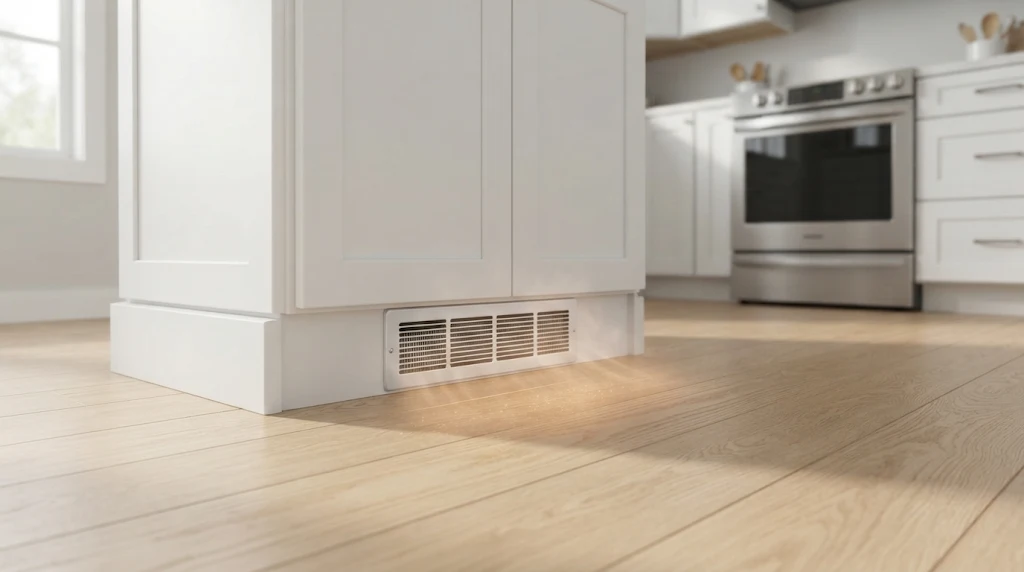
6 Best Toe Kick Heaters for Kitchens and Bathrooms

Disclosure: As an Amazon Associate, I earn from qualifying purchases. Learn more
Cold floors have a way of finding bare feet first. That chill near the floor is where the Broan-NuTone 112 Kickspace Heater fits best, pushing warm air out from under the cabinets with a front-mounted thermostat you can set once and leave alone.
Maybe your kitchen remodel left no wall space for a baseboard, or your bathroom vanity sits over the coldest corner of the house. Before you choose, three things matter most: the voltage your circuit supplies, the height and depth of your toe kick space, and whether you want electric or hot water heat.
We focused on units built for cabinet bases, vanities, and similar recesses, covering 120V, 240V, and hydronic options so you can match the heater to the home you already have.
For quiet underfoot warmth, the Broan-NuTone 112 Kickspace Heater offers a front dial on 240V, while the AIREPUSH Toe Kick Heater adds remote control and auto voltage sensing.
For Front Dial Control
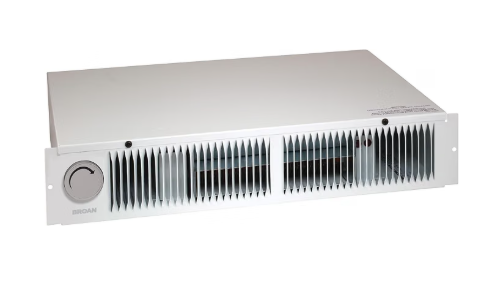
Broan-NuTone 112 Kickspace Heater
- 240V fan-forced heat
- 150 square foot coverage
- UL listing claim
For Remote-Controlled Comfort
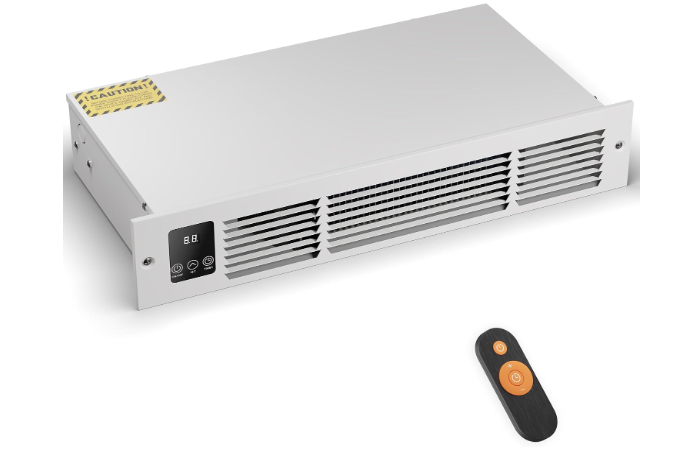
AIREPUSH Toe Kick Heater
- Adapts to 120V or 240V
- Remote and digital display
- Thermal fuse backup
Why Toe Kick Heaters Suit Kitchens and Bathrooms
Kitchens and bathrooms are full of cabinets, appliances, and tile, which leaves little open wall for a baseboard or wall heater. The recessed space under the cabinets is often the only spot left.
A toe kick unit tucks into that recess and blows warm air across the floor, right where your feet are. That makes a tiled kitchen or bathroom feel warmer faster than heat coming from a ceiling vent.
Because the heater hides under the cabinet base, you also keep every inch of usable wall and floor space.
How These Kickspace Heaters Were Selected
Each heater here is made for cabinet kick spaces, vanity bases, or similar recesses, not a portable unit placed on the floor. We looked at voltage, heat output, controls, size, and listed safety features.
We included both electric and hot water designs, since many homes with boiler heat can extend that system into the kitchen. We also mixed built-in thermostat models with one that relies on a separate wall control.
Brands were kept varied, and where one brand appears twice, the two models serve different wiring setups.
Best Toe Kick Heater Picks for Every Setup
1. Broan-NuTone 112 Kickspace Heater With a Front-Mounted Thermostat
This 240-volt, fan-forced model is listed for cabinet kick spaces, vanity bases, and stairways, with a heating coverage of 150 square feet.
The thermostat is mounted on the front, so this toe kick heater with thermostat control is easy to adjust without reaching inside the cabinet. Vertical louvers spread heat across the width of the grille.
The listing claims a UL listing, and the thermally protected motor shuts off if it overheats.
Everyday Use Notes: It suits a kitchen or bath with 240V wiring where you want simple dial control and heat that starts in seconds.
Key Highlights:
- Front-mounted thermostat with vertical louvers
- Thermally protected, ultra-quiet motor
Main Advantages:
- Easy temperature adjustment from the front
- Even heat spread across the grille
- Automatic shutoff if the motor overheats
Suited To:
- 240V kitchen and bath circuits
- Cabinet kick spaces and vanity bases
- Stairways and light commercial counters
Worth Checking: The housing is listed at 12.13 inches deep and 18.25 inches tall, so confirm the space behind and under the cabinet first.
2. AIREPUSH Toe Kick Heater With Remote and Digital Display
Not sure which voltage your cabinet circuit supplies? This 1500-watt electric toe kick heater adapts to either 120V or 240V on its own, with a listed coverage of 150 square feet.
It comes with a remote control, a digital display, and a built-in thermostat. A mechanical thermostat and a thermal fuse act as two layers of overheat protection.
The low body is listed at 3.78 inches tall, 20.16 inches wide, and 10.08 inches deep.
Everyday Use Notes: It works well when you want to change the setting from across the room instead of bending down to the cabinet base.
Key Highlights:
- Automatic 120V or 240V voltage recognition
- Remote control with digital display
- Mechanical thermostat plus thermal fuse
Main Advantages:
- One unit for either common voltage
- Settings adjusted without bending down
- Two overheat safeguards built in
Suited To:
- 120V or 240V cabinet circuits
- Kitchens and bathrooms without central heat
Worth Checking: The listing does not mention a UL, ETL, or CSA safety listing, so check the installation guide closely.
3. KING Multi-Watt Kickspace Heater for 240V Kitchen Cabinets
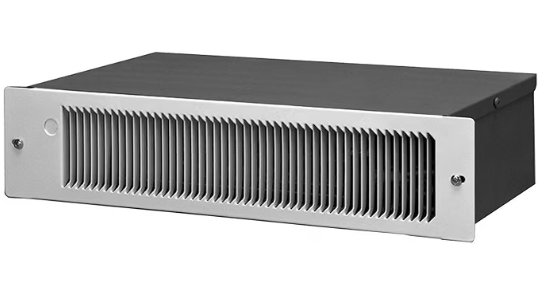
Built to fit under kitchen and bath cabinets, this 1500-watt, 240-volt unit has a compact footprint of 8 inches deep, 16.38 inches wide, and 3.5 inches tall.
Its multiple wattage options let an installer tailor output to the room. A NiChrome open coil element passes heat quickly, and a squirrel cage blower moves the air out.
The maker’s patented Smart Limit Protection adds another safeguard.
Everyday Use Notes: It is a good fit for a remodel where the electrician wants to set the wattage to match a small or medium room.
Key Highlights:
- Multiple wattage options in one unit
- NiChrome open coil element with squirrel cage blower
Main Advantages:
- Output can match the room size
- Shallow body suits tight toe kicks
- Fast heat transfer from open coil
Suited To:
- 240V kitchen and bath circuits
- Shallow cabinet kick spaces
Worth Checking: It needs 240 volts, and the listing does not mention a UL, ETL, or CSA safety listing.
4. Beacon Morris Twin-Flo III Heater for Hot Water Systems
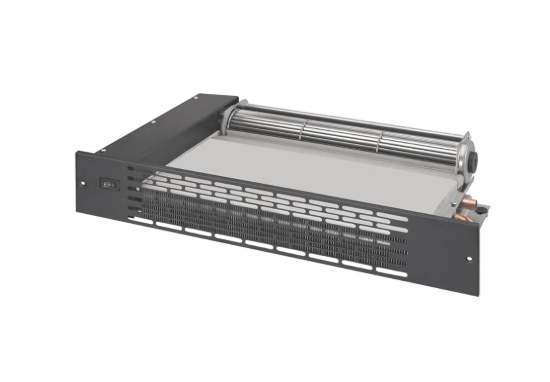
If your home already runs on boiler heat, this K42 model takes a different path. It is a hot water toe kick heater rated at 4,200 BTU, and the listing makes clear it is not electric heat.
Instead of a resistance element, it draws warmth from your hydronic loop, so the heat comes from the same system that serves your radiators or baseboards.
It measures 16.8 x 14 x 5.5 inches and weighs 10.1 pounds.
Everyday Use Notes: It makes sense when a kitchen extension sits far from existing radiators but the boiler lines can reach it.
Key Highlights:
- 4,200 BTU of hot water heat
- Works from an existing hydronic system
Main Advantages:
- Uses heat your boiler already makes
- No resistance element inside
- Extends hydronic heat into cabinet areas
Suited To:
- Homes with hot water boiler heat
- Kitchens near existing hydronic lines
Worth Checking: It needs a hot water heating system and plumbing work, so it is not a choice for all-electric homes.
5. ALORAIR WarmHub Kickspace Heater for Bathroom Vanity Bases
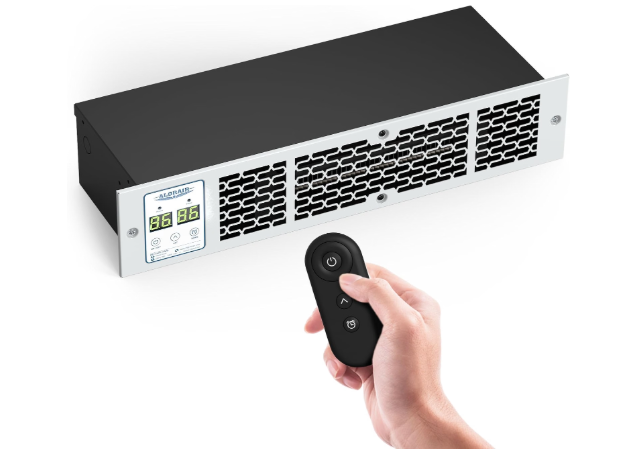
Airflow is the focus of this model, which pairs a 2769 RPM DC motor with a 200mm extended blower. It is listed for cabinets and bathroom vanities.
Its title describes a 1500W heater with a 4520 BTU/h element, while the product details list 1350 watts at 115 volts. That points to a 120V-class unit, so confirm the final wattage in the manual.
The body measures 6.85 inches deep, 20.15 inches wide, and 4.44 inches tall.
Everyday Use Notes: It suits a bathroom vanity on a standard circuit where stronger airflow helps push heat across a tiled floor.
Key Highlights:
- 2769 RPM DC motor
- 200mm extended blower and heating tube
Main Advantages:
- Strong airflow for a compact unit
- Made for vanity and cabinet bases
- Works on household voltage
Suited To:
- Bathroom vanity toe kicks
- Standard 115V circuits
Worth Checking: The listed wattage differs between the title and product details, and no UL, ETL, or CSA safety listing is mentioned.
6. Broan-NuTone 114 Kickspace Heater for Wall Thermostat Setups
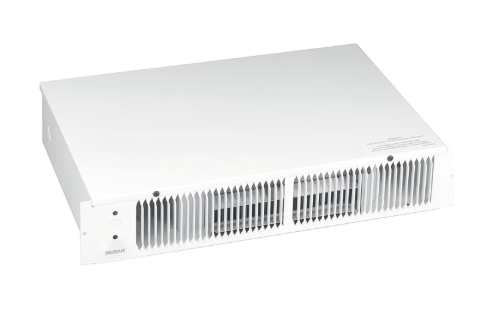
Some installers prefer to control a kickspace unit from the wall. This 1500-watt, 120-volt model comes without a built-in thermostat, so it relies on a separate control.
It is listed for 100 to 150 square feet, and the white grille has a baked enamel finish with a one-piece design. The listing claims a UL listing.
The housing matches the 112’s footprint at 12.13 x 5.38 x 18.25 inches.
Everyday Use Notes: It fits a 120V kitchen or bath where you want the temperature control placed at eye level on the wall.
Key Highlights:
- 120V operation with 1500 watts
- Baked enamel one-piece grille
Main Advantages:
- Runs on common household voltage
- Control can sit at wall height
- Durable enamel grille finish
Suited To:
- 120V kitchen and bath circuits
- Setups with a separate wall thermostat
Worth Checking: There is no built-in thermostat, so plan for a compatible wall control before installation.
Electric Versus Hydronic Kickspace Heating Compared Side by Side
An electric kickspace heater uses a resistance element and a blower. It only needs a suitable circuit, which makes it the easier choice in most remodels and in homes without boiler heat.
A hydronic kickspace heater uses hot water from a boiler loop. It needs plumbing tied into that system, but it shares the heat your boiler already produces.
Going by the listed specifications, five of these six picks are electric units rated at 1,350 to 1,500 watts, while the Twin-Flo draws its heat from boiler water instead.
| Factor | Electric | Hydronic |
|---|---|---|
| Heat source | Resistance element | Boiler hot water |
| Install needs | Proper electrical circuit | Plumbing into the heating loop |
| Best match | Any home, most remodels | Homes with boiler heat |
| Picks in this list | Five models | Twin-Flo III K42 |
Matching 120V or 240V Power to Your Cabinets
Check the voltage at the planned spot before you buy. Kitchens often have 120V circuits near the floor, while 240V usually means a new run from the panel.
In this list, the Broan-NuTone 112 and KING model need 240V. The Broan-NuTone 114 and ALORAIR run on household voltage, and the AIREPUSH adapts to either one.
A 1500-watt heater draws a large share of a standard 15-amp circuit, so many installations call for a dedicated circuit. Your electrician and local code have the final say.
Sizing Wattage to the Room You Want Warm
Most electric toe kick units sit around 1,500 watts, and several list coverage near 150 square feet. That suits a typical bathroom or a small to medium kitchen.
Think of these heaters as zone or supplemental heat. They warm the floor area quickly, but a large open kitchen and living space usually needs a primary heat source as well.
If your room is small, a multi-watt model lets the installer dial output down so the heater does not cycle on and off too often.
Measuring the Toe Kick Space Before You Buy
- Measure the height of the toe kick opening from floor to cabinet base.
- Measure the depth from the kick face back to the wall or cabinet frame.
- Note the width available between cabinet legs or supports.
- Check for plumbing, drain lines, or wiring inside that cavity.
- Compare every number with the heater’s listed dimensions and the manual’s clearance needs.
Thermostat Options From Built-In Dials to Wall Controls
A built-in thermostat keeps everything in one unit. The Broan-NuTone 112 uses a front-mounted dial, while the AIREPUSH adds a digital display and remote.
A wall thermostat puts the control at a comfortable height and can read room temperature better than a sensor near the floor. The Broan-NuTone 114 is built for this kind of setup.
Hydronic units are usually controlled through the home’s heating zones, so plan that wiring with your heating contractor.
Installing a Kickspace Heater Step by Step
- Turn off power at the breaker and confirm it is off.
- Mark and cut the opening in the toe kick panel to the template size.
- Run the required circuit, or for hydronic models, the supply and return lines.
- Connect wiring or plumbing exactly as the manual shows.
- Secure the housing, attach the grille, and test before closing up.
Electrical and hydronic connections are best left to a licensed electrician or heating professional, especially for 240V circuits.
Mistakes That Make Under Cabinet Heaters Underperform
- Buying before measuring the toe kick height and depth
- Choosing the wrong voltage for the existing circuit
- Blocking the grille with rugs, mats, or stored items
- Expecting whole-house heat from a single zone heater
- Skipping lint cleaning, which slows airflow over time
Safety Points for Heaters Hidden Under Cabinets
Keep the area in front of the grille clear. Rugs, towels, and pet beds can block airflow and trap heat.
Follow the clearance, wiring, and mounting instructions in the manual exactly. Check whether a model carries a safety listing claim, since only two picks here mention one.
If you plan to leave the heater running for long stretches, this guide to heaters safe to run overnight explains which protective features matter.
Noise Levels and Airflow in Kickspace Units
Every electric unit here uses a blower, so some fan sound comes with the warmth. Models that list a quiet motor or a DC motor aim to keep that sound lower.
Airflow matters because the heater sits low and has to push warm air outward. Stronger blowers spread heat farther across the floor, which helps in longer kitchens.
Keeping the grille and blower free of dust and pet hair helps maintain both airflow and noise levels over the years.
Who Should Choose Baseboard or Floor Heat Instead
If you have open wall space and want steady, silent heat, electric baseboard heaters may suit you better than a fan-forced unit.
Renters who cannot cut into cabinets can look at a compact space heater instead, used with care and never left unattended.
And if you mainly want warm feet at a desk or counter rather than a warmer room, a heater made for under desks is a simpler fix.
Common Questions on Kick Space Heating
Can a toe kick heater warm an entire kitchen?
It can warm a small or medium kitchen, especially one near the listed coverage of around 150 square feet. In larger open plans, a single unit works better as supplemental heat focused on the floor and work area. Many homeowners pair one with central heating so the kitchen floor feels warmer in winter. For a long galley or an L-shaped layout, two smaller units in different cabinet runs may spread heat more evenly than one.
Do toe kick heaters need a dedicated circuit?
Many do. A 1500-watt heater draws a large share of a standard 15-amp circuit, and 240V models almost always need their own run from the panel. Sharing a kitchen circuit with appliances can trip the breaker when both run together. The manual lists the required breaker size and wire gauge, and your local electrical code decides the rest, so check with an electrician before you buy.
Can I install a toe kick heater myself?
Cutting the toe kick panel and mounting the housing is manageable for a confident DIYer. The electrical or hydronic connection is a different matter. Wiring a new circuit, especially at 240V, and tying into a boiler loop are jobs many areas require a licensed professional to handle, often with a permit. Doing the carpentry yourself and hiring out the connections is a common middle ground that keeps the install safe and inspected.
How do I clean a kickspace heater?
Turn the heater off at the thermostat and the breaker, then let it cool. Remove the grille if the manual allows and vacuum dust, lint, and pet hair from the grille and blower area with a brush attachment. Wipe the grille with a dry or lightly damp cloth and let it dry fully before reinstalling. Cleaning before each heating season helps keep airflow strong and reduces the dusty smell on first use.
Does a hydronic toe kick heater work without a boiler?
No. A hydronic unit relies on hot water circulating from a boiler or similar hot water heating system. Without that supply, it has no source of heat. Some homes use a dedicated water heater for radiant or hydronic zones, but that setup should be designed by a heating professional. If your home is all electric with no hot water heating loop, an electric kickspace heater is the practical choice.
Can a toe kick heater go under a bathroom vanity?
Yes, several models here are listed for vanity bases. A vanity is a natural spot because it warms the floor right where you step out of the shower. Check that the cavity is free of drain lines and supply valves, and keep the heater away from spots where water could leak onto it. Follow the manual for any bathroom-specific wiring or placement rules, since local codes may add requirements.
Choosing the Right Heater for Your Cabinet Base
A toe kick heater is a smart fit when wall space is scarce and cold floors are the main complaint. It is zone heat, though, and it depends on proper wiring or plumbing, so it rarely replaces a home’s main system.
The simplest rule is to match the heater to what you already have: the voltage at the cabinet, the size of the recess, and whether boiler water is nearby. For most 240V kitchens, the Broan-NuTone 112 Kickspace Heater is a dependable place to start.
