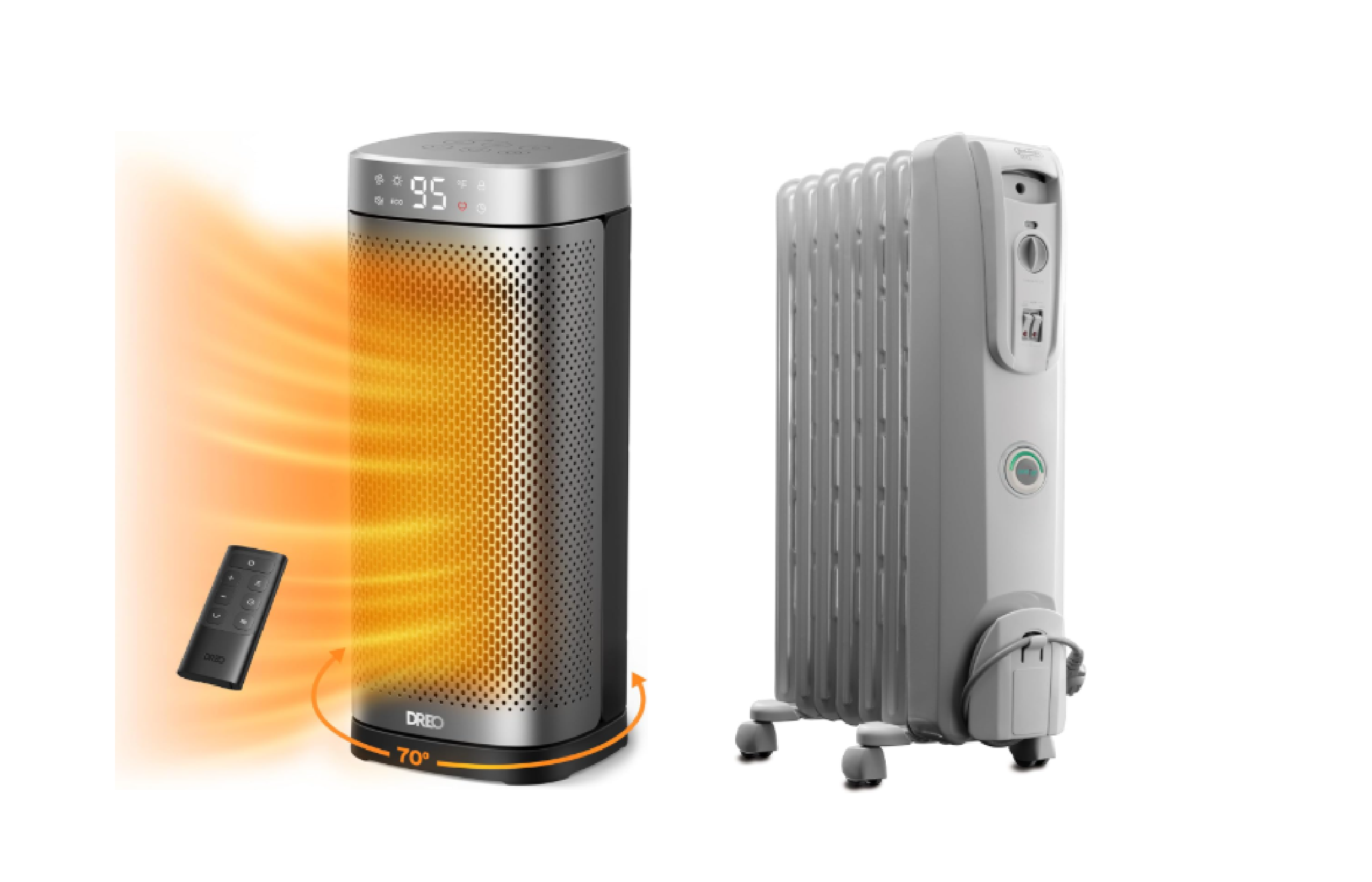
Ceramic Vs. Oil-Filled Heater: Who Should Buy Which?
Disclosure: As an Amazon Associate, I earn from qualifying purchases. Learn more
Choosing between a ceramic vs oil heater depends on how you use your space and your heating goals. A ceramic heater warms air quickly using an electric element and is ideal for spot heating or smaller rooms. It provides instant warmth and portability, making it perfect for personal use.
In contrast, an oil filled radiator heater offers steady, long-lasting heat, maintaining warmth even after being turned off. It suits bedrooms or offices where consistent comfort is needed. Comparing ceramic vs oil heater efficiency, ceramic models heat faster, while oil units retain heat longer, balancing energy use and comfort differently.
Ceramic vs Oil Filled Heater: How Each Heating Technology Works
Both heating systems create warmth in entirely different ways, and that’s what makes choosing between them so interesting. A ceramic heater uses a PTC (Positive Temperature Coefficient) ceramic plate that heats up as electricity passes through it. The fan behind the plate pushes hot air outward, spreading warmth across the room almost instantly. It’s quick, responsive, and perfect for people who need immediate heat without waiting. These heaters are compact, lightweight, and efficient at heating small zones like bedrooms or offices.
On the other side, an oil filled heater works through a sealed oil reservoir heated by an internal electric element. The oil stays warm for hours, gradually radiating heat into the air even after the device is turned off. This method produces steady, consistent warmth that doesn’t dry the air. The design makes it quieter since no fan is used. So, the key contrast lies in the speed versus longevity of heat—ceramic models are fast and focused, while oil-filled ones are slow and steady.
Ceramic vs Oil Heater: Recommendations
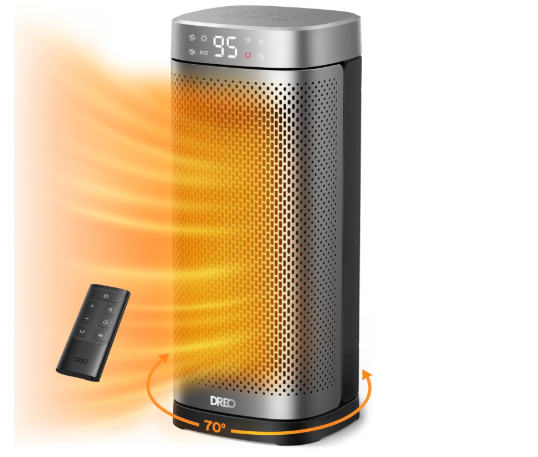
Dreo Ceramic Space Heater for Fast and Efficient Room Heating
The Dreo Portable Ceramic Heater delivers 1500W of rapid heat output designed for small to medium indoor spaces. Its PTC ceramic heating technology ensures quick and even warmth without drying the air. With 70° oscillation, it spreads heat across wider areas, making it ideal for bedrooms, offices, or personal spaces. The unit features a 12-hour timer, remote control, and overheat protection for convenient and safe operation. Its sleek and compact body allows easy placement anywhere while maintaining quiet performance. The heater adjusts intelligently to maintain consistent comfort, saving energy through Eco Mode and temperature regulation.
Key Benefits
- Fast ceramic heating technology
- Adjustable thermostat and eco mode
- Quiet operation with wide oscillation
- Built-in overheat and tip-over protection
- Remote control with 12-hour timer
Compatible For
- Bedrooms and offices
- Dorm rooms and study areas
- RVs or compact living spaces
DeLonghi Oil Filled Radiator Heater for Consistent Whole-Room Warmth
The DeLonghi Oil Filled Radiator Heater offers steady, long-lasting heat ideal for maintaining comfort in large rooms or offices. Using permanent sealed oil and 1500W power, it provides consistent warmth without the need for refilling. Its ComfortTemp feature automatically regulates heat for maximum energy efficiency, while multiple thermostat settings allow customized temperature control. The heater runs quietly, distributing heat evenly without fan noise—perfect for overnight use. Equipped with thermal cutoff, anti-freeze setting, and cool-touch exterior, it ensures safe performance and peace of mind. The slim, wheeled design supports easy mobility, blending reliability with convenience for year-round comfort.
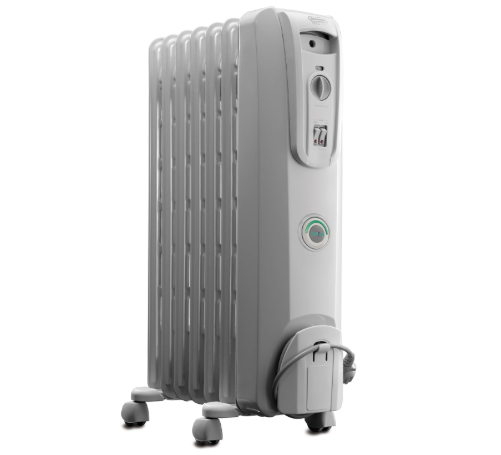
Image & Product: Amazon
Key Benefits
- Long-lasting, silent heating performance
- Energy-saving ComfortTemp function
- Maintenance-free sealed oil system
- Adjustable thermostat and safety cutoff
- Portable design with easy-glide wheels
Compatible For
- Bedrooms and living rooms
- Home offices or libraries
- Continuous overnight heating needs
Latest Alternative: The featured product is no longer available. We now recommend the TMWINGS Oil Filled Radiator Heater
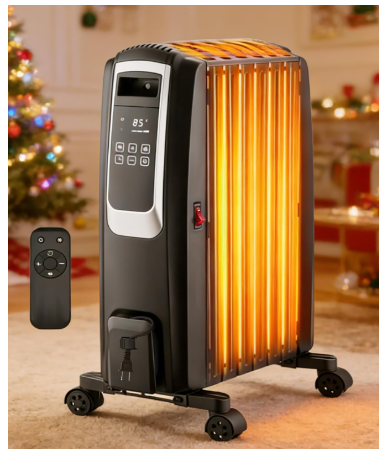
For readers comparing ceramic vs oil heater options, this oil-filled radiator is well suited for large rooms where consistent, silent heat matters most. It delivers steady radiant warmth without a fan, making it ideal for bedrooms, offices, and overnight use. Features like ECO mode, a 24-hour timer, remote control, and built-in tip-over and overheat protection add both energy efficiency and peace of mind. Its portable design also makes it easy to move between rooms as heating needs change.
Ceramic vs Oil Filled Heater Efficiency Compared: Instant Heat vs Lasting Warmth
Efficiency depends on how heat is delivered and retained. Ceramic heaters are known for instant response—they warm up a small room within minutes. The fan-driven air circulation allows you to feel heat quickly, ideal for people who move between rooms often. But the warmth fades soon after turning it off, as the ceramic plate cools down rapidly.
Oil filled heaters, on the other hand, require more time to reach peak warmth. Yet, once the oil absorbs enough heat, it radiates steadily for extended periods with minimal energy input. This thermal retention means lower power use over time for consistent room heating.
They are more efficient for prolonged operation, especially in insulated areas. So, short-term users prefer ceramic, while long-term comfort seekers benefit from oil-filled models that maintain warmth effortlessly even after shutting down.
Key Benefits and Limitations of Oil-Filled Heaters in Household Use
Oil-filled heaters shine in many home settings but carry a few drawbacks too.
Key Benefits
- Silent operation makes them perfect for bedrooms and study areas
- Retains warmth longer, saving energy in steady use
- No fan needed, so air stays clean and gentle
- Even heat distribution across larger areas
- Low-maintenance design with sealed oil system
Limitations
- Slower heat-up time, not ideal for quick warmth
- Heavier build, less portable than ceramic types
- Takes longer to cool, requiring caution with kids or pets
- Higher upfront cost compared to compact ceramic heaters
Their charm lies in comfort that lasts, ideal for overnight heating or cold climates that demand steady warmth.
Advantages and Disadvantages of Ceramic Heaters for Spot and Portable Heating
Ceramic heaters dominate spaces where quick comfort matters most. Let’s break it down.
Advantages
- Instant heating performance for small or medium rooms
- Lightweight and portable, easy to move anywhere
- Precise temperature control through digital thermostats
- Fan-assisted airflow spreads heat evenly
- Energy-efficient for short-term usage
Disadvantages
- Less effective in large open rooms
- Fan noise may disturb light sleepers
- Can dry out air if used for long durations
- May consume more electricity in constant use
These heaters suit modern lifestyles where flexibility matters more than long-lasting heat. Perfect for quick comfort during chilly mornings or short work sessions.
Room Size, Insulation, and Use-Case: Which Heater Fits Best?
The performance of both heater types depends heavily on room size and insulation quality.
| Room Type | Ceramic Heater Performance | Oil Filled Heater Performance |
|---|---|---|
| Small rooms or offices | Excellent – fast warm-up, ideal for quick use | Moderate – takes time, may overheat small areas |
| Medium-sized bedrooms | Good – effective with moderate insulation | Excellent – holds steady warmth overnight |
| Large living spaces | Limited reach – heat fades quickly | Superior coverage – slow but sustained comfort |
| Poorly insulated rooms | Efficient initially, but heat escapes fast | Better retention, energy-saving over time |
| Occasional or short-term use | Perfect fit | Less efficient for short use |
Picking the right type depends on your routine—ceramic heaters excel at fast response, while oil-filled ones thrive on endurance and consistency.
Energy Consumption, Operating Costs, and Maintenance between Ceramic and Oil-Filled Units
Energy performance defines long-term satisfaction. A ceramic unit draws power directly to heat its element, which means quick results but a higher short-term electricity draw. For short usage bursts, they’re extremely cost-efficient. No warm-up delay means less wasted time and focused power use.
The oil-filled model, though slower initially, evens out energy use once the oil reaches the desired temperature. It consumes less electricity over hours of operation due to heat retention. The longer it runs, the more economical it becomes. Maintenance is almost nonexistent since the oil never requires replacement.
Quick Tips
- For quick bursts of heat, ceramic wins on cost.
- For continuous use, oil-filled models are more economical.
- Clean vents and filters regularly to keep efficiency high.
- Avoid overuse in poorly insulated areas to reduce energy loss.
Safety Considerations When Using Ceramic Heaters vs Oil Filled Heaters Around Children or Pets
Safety matters, especially in homes with curious little ones or active pets. Ceramic heaters are safer for short exposure since their exterior cools quickly once turned off. Still, the grill and fan area can get hot, so placing them out of reach is wise. Most models come with tip-over switches and overheat sensors for added protection.
Oil-filled heaters remain hot longer due to the retained heat inside their metal fins. Touching the surface can cause burns, so proper spacing is vital. Fortunately, the heat is radiant and doesn’t blow air, reducing risks of airborne dust or allergies.
Safety Tips
- Keep both heater types at least three feet from objects.
- Avoid extension cords—plug directly into outlets.
- Supervise usage in children’s rooms.
- Ensure models with auto shut-off and cool-touch housing.
- Allow oil heaters to cool completely before moving them.
Which Is Better for Overnight or Bedroom Use?
When comparing ceramic vs oil heater performance for overnight or bedroom use, comfort and consistency matter more than rapid heating. Oil-filled heaters are often better suited for sleeping areas because they produce steady, even heat without frequent temperature swings.
Once warmed, they continue radiating heat quietly, even after the heating element cycles off. Ceramic heaters, by contrast, heat rooms faster but rely on fans, which can create noticeable noise and cause temperature fluctuations as they turn on and off.
Oil heaters also tend to keep surfaces at lower, more uniform temperatures, reducing sudden bursts of hot air. For users who prefer a calm, stable environment through the night, oil-filled models generally provide a more comfortable and less disruptive heating experience.
How to Choose Between a Ceramic or Oil-Filled Heater Based on Your Needs
Choosing the right heater depends on lifestyle and space habits.
Step 1: Identify the room type. For small or quick-use spaces like a home office, ceramic heaters deliver instant results.
Step 2: Consider duration of use. For extended comfort, oil-filled units hold warmth longer with lower running costs.
Step 3: Think about noise tolerance. Ceramic fans produce a gentle hum; oil-filled heaters are nearly silent.
Step 4: Evaluate portability. Frequent movers prefer ceramic; stationary users value oil-filled steadiness.
Step 5: Review energy goals. For fast heat-up, ceramic is efficient. For overnight operation, oil-filled saves energy.
In short, the right choice depends on how you live and heat your space. Both technologies perform well, yet they serve different comfort styles—ceramic thrives on speed, oil-filled on endurance.
Also Read –
Discover New Articles: See Our Latest Updates
