
7 Common King Pellet Stove Problems: Causes & Fixes

King pellet stove problems commonly include ignition failure, pellets not feeding, excessive smoke, overheating, unexpected shutdowns, unusual fan noises, and ash buildup. The causes often involve restricted airflow, poor fuel quality, dirty components, or a failed part.
If your stove suddenly stops heating, the symptoms can be confusing. A blinking indicator might point to an airflow condition rather than a broken fan, while a dark flame may signal a combustion problem. Before changing settings or removing parts, identify the symptom and check your specific model’s manual.
Some basic checks are suitable for routine maintenance, but electrical repairs, internal component replacement, and venting problems may require a qualified technician.
This guide explains the common causes, safe troubleshooting steps, maintenance priorities, and warning signs that mean you should stop operating the stove. Because King models and control systems can differ, always confirm instructions and error-code meanings for your exact model.
7 Common King Pellet Stove Problems and Fixes
Most pellet stove issues fall into a few categories: fuel delivery, ignition, airflow, heat circulation, and maintenance. Start by observing what the stove does before it stops or displays a warning. That information can help narrow down the possible cause without unnecessary adjustments.
1. Pellet Stove Not Igniting
If pellets enter the burn pot but no fire starts, possible causes include damp pellets, an obstructed igniter area, restricted airflow, or a failed ignition component. Check the hopper and inspect accessible areas only after the stove has shut down and cooled as directed by the manual. If the igniter or electrical system appears faulty, arrange qualified service rather than removing internal components.
2. Auger Not Feeding Pellets
An auger that stops feeding may be associated with an empty hopper, pellets bridging above the feed opening, a jam, or a problem with a motor or safety switch. Look for an obvious low-fuel condition first. Do not reach into the hopper or feed mechanism while the stove is connected to power, and never force the auger to turn. Persistent feed problems need model-specific diagnosis.
3. Pellet Stove Overheating
Overheating may result from restricted airflow, a dirty convection blower, or another component that is not operating correctly. If the stove repeatedly shuts down because of temperature, do not keep restarting it. Allow it to cool according to the manual, check only the approved routine-maintenance areas, and seek service if the warning returns.
4. Excessive Smoke or a Dark Flame
Excessive smoke, a lazy flame, or rapidly darkening glass can indicate incomplete combustion. Common possibilities include blocked burn-pot openings, ash in the airflow path, unsuitable or damp pellets, or restricted exhaust venting. Stop using the stove if smoke enters the room. Do not compensate by randomly increasing the feed or fan settings; the underlying airflow or combustion problem needs to be identified.
5. Stove Shutting Off Unexpectedly
An unexpected shutdown can follow an empty hopper, interrupted pellet delivery, loss of draft pressure, a temperature safety trip, or a power interruption. Check the displayed indicator and the manual for your exact model. If the stove shuts down repeatedly despite adequate fuel and routine cleaning, avoid repeated restarts until the cause has been identified.
6. Loud or Unusual Operating Noises
Grinding, squealing, rattling, or persistent humming may come from a feed mechanism, fan, loose exterior panel, or worn component. Turn the stove off and allow it to cool before inspecting accessible exterior parts. Do not reach into moving components or remove electrical covers. If the noise continues or becomes louder, stop using the stove and arrange a professional inspection.
Read more: pellet stove grinding noises
7. Ash Buildup and Poor Heating
Ash can collect in the burn pot, ash pan, and other areas identified in the owner’s manual. Excess buildup may restrict airflow and contribute to a weak flame, smoke, or unreliable operation. Clean the stove at the intervals specified for your model, and make sure the appliance is fully shut down and cool before maintenance. If cleaning does not restore normal performance, a deeper blockage or component fault may be present.
What a Blinking Draft Fan Indicator Can Mean
A blinking draft fan indicator does not always mean the fan motor has failed. On some King models, the indicator can signal a loss of pressure detected by the vacuum switch. An open door, an airflow restriction, or negative air pressure in the room may contribute, depending on the stove design.
- Check the door: Make sure it is fully closed and latched as described in the manual.
- Look for visible blockage: After shutdown and cooling, inspect accessible intake and vent areas for obvious obstruction.
- Check the indicator description: Use the manual for your model rather than assuming every blinking light is an error code.
- Stop if the warning persists: A pressure switch, hose, blower, or venting fault may need professional diagnosis.
Do not bypass the vacuum switch or other safety controls. If the stove continues to show the indicator after the approved checks, stop operating it and have the airflow system inspected.
Room Fan Failure and Exhaust Fan Surging Explained
The room fan circulates heated air into the living space, while the exhaust or draft fan supports combustion airflow and carries exhaust through the vent. These fans perform different jobs, so their symptoms should not be treated as interchangeable.
Room fan not working: A failed fan, electrical fault, overheating condition, or control issue may prevent warm air from circulating. If the stove becomes unusually hot or triggers a safety shutdown, turn it off and follow the manual’s instructions. Do not continue running it in an attempt to warm the room.
Exhaust fan surging: Changes in fan sound or speed can be associated with restricted airflow, a pressure-sensing issue, a failing motor, or a control fault. First look for visible external vent obstruction from a safe position. Do not dismantle the fan or adjust wiring yourself.
If either fan behaves abnormally after routine cleaning, a technician can check the motor, wiring, pressure sensing, and control system. A fan symptom alone is not enough to identify the failed part.
How Draft Fan Settings and Feed Rates Affect Burning
Draft fan settings influence airflow, while the feed rate controls how pellets are delivered. These settings interact, so changing one without understanding the symptom may worsen the burn instead of fixing it.
- Dark, lazy flame: Restricted airflow, dirty passages, or excessive fuel delivery may be involved.
- Burn pot filling with unburned pellets: Ignition or combustion may not be keeping up with fuel delivery.
- Weak heat output: Fuel quality, ash buildup, airflow, or a circulation problem may be responsible.
- Repeated shutdowns: Check the displayed warning and model-specific troubleshooting guidance before changing settings.
Use only the setting adjustments described in the owner’s manual. Avoid experimenting with hidden service menus or making large changes to fan speed and feed rate. If the stove cannot maintain a stable burn with the recommended settings and suitable fuel, have it inspected.
Why King Pellet Stove Error Codes Vary by Model
Error codes and indicator lights are not universal across every King pellet stove. Similar-looking displays can have different meanings on different control systems, and a blinking indicator may describe an operating condition rather than a fault code.
Find the model number and consult the matching owner’s manual. Record the exact letters, numbers, or blinking pattern before restarting the stove. This prevents confusion between codes that may look alike but refer to different systems.
- Temperature warning: May indicate a high-limit or overheating condition.
- Fuel-feed warning: May relate to an empty hopper, interrupted feed, or a feed-system fault.
- Ignition warning: May indicate that the stove did not establish a fire within the expected startup period.
- Airflow warning: May involve the pressure-sensing system, exhaust path, or door seal.
These are general categories, not a substitute for the code chart for your exact model. Do not reset repeatedly or replace parts based only on a code description from another stove version.
For model-specific troubleshooting, consult the manufacturer’s operating manual.
What to Do After a Pellet Stove Power Outage
A pellet stove depends on electricity to operate its powered feed and fan components. During an outage, the stove may stop feeding pellets while residual fuel remains hot, and normal exhaust operation may be interrupted.
When power returns, do not assume the stove is ready to restart. Follow the manufacturer’s shutdown and restart procedure for your model. If you notice smoke spilling into the room, a damaged power cord, an unusual smell, or a warning that does not clear through the approved procedure, stop and seek qualified help.
Never open the firebox or remove hot ash while the stove is operating. Do not use an improvised power connection or bypass a safety device to keep the stove running during an outage.
The EPA’s pellet stove guidance also emphasizes regular cleaning and following the appliance manual for safe operation and maintenance.
Maintenance Habits That Help Prevent Stove Problems
Regular maintenance helps reduce ash-related airflow problems and makes it easier to notice damage before it affects operation. Cleaning frequency depends on the model, fuel, and how often the stove runs, so use the schedule in the owner’s manual instead of relying on one universal timetable.
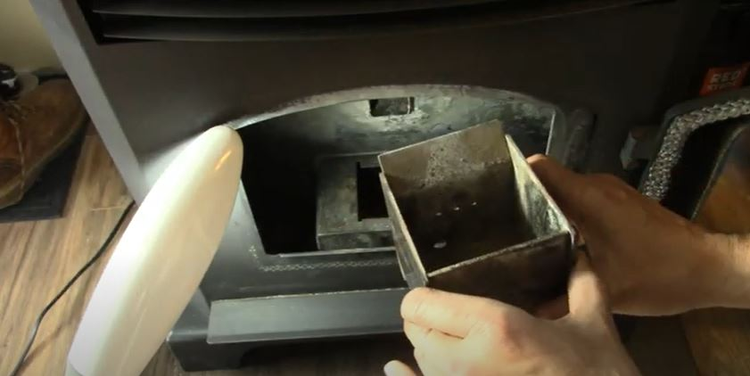
- Remove ash and clean the burn pot only as directed by the manual, after the stove has cooled.
- Keep the hopper and fuel supply free from moisture and foreign material.
- Inspect accessible door seals and exterior vent areas for visible damage or obstruction.
- Use only the fuel type and pellet specifications approved for your model.
- Keep combustible items away from the stove and maintain the required clearances.
- Arrange professional cleaning and inspection at the intervals recommended by the manufacturer.
Sometimes a reader may first notice a performance problem as a dirty viewing window or a flame that looks different from usual. Treat those changes as a reason to check the approved maintenance points rather than immediately changing the stove settings.
Read more: pellet stove cleaning guidance
When King Pellet Stove Problems Need Professional Help
Basic visual checks can help identify obvious issues, but internal repairs are different. Stop using the stove and arrange qualified service if you notice any of the following:
- Smoke entering the room or signs of exhaust leakage.
- Repeated overheating or safety shutdowns.
- Grinding noises or a fan that will not operate normally.
- A persistent ignition or pellet-feed failure.
- Damaged wiring, a damaged power cord, or signs of electrical overheating.
- An error or warning that returns after the manual’s approved checks.
Keep a working carbon monoxide alarm installed according to local requirements and the alarm manufacturer’s instructions. Carbon monoxide cannot be seen or smelled, and a malfunctioning or improperly vented fuel-burning appliance can create a serious hazard.
If you suspect exhaust gases are entering the home or a carbon monoxide alarm sounds, leave the area and contact emergency services from a safe location. Do not continue troubleshooting while people may be exposed.
For installation or repair help, the National Fireplace Institute’s professional directory explains how to find credentialed hearth-system professionals.
King Pellet Stove Troubleshooting Questions and Answers
Why Does My King Pellet Stove Keep Shutting Off?
A King pellet stove may shut down because the hopper is empty, pellets are not feeding, airflow is restricted, a safety limit has been triggered, or power was interrupted. The exact cause depends on the model and the indicator displayed. Check the matching manual and record the warning before attempting a restart. If the stove repeatedly shuts off after routine maintenance, stop operating it and arrange qualified service rather than repeatedly resetting it.
How Often Should I Clean My King Pellet Stove?
Cleaning frequency depends on how often you use the stove, the fuel you burn, and the instructions for your model. The burn pot and ash collection areas may need attention more often during heavy use, while other maintenance tasks follow a separate schedule. Always let the appliance cool and follow the manual’s shutdown instructions before cleaning. If ash returns unusually quickly or the stove keeps losing performance, have the airflow path and combustion system inspected.
Can I Burn Corn in a King Pellet Stove?
Do not assume that a pellet stove can burn corn or another alternative fuel. Fuel requirements vary by model, and using an unapproved fuel can affect combustion, create excess residue, or damage components. Check the owner’s manual for the permitted fuel type and any stated fuel specifications. If the manual identifies wood pellets only, use the specified pellets and do not experiment with other materials to solve a feed or ignition problem.
Why Is My King Pellet Stove Making a Clicking Noise?
A clicking noise may come from a moving feed component, a fan, a control relay, or a part that has loosened. The sound’s timing can help a technician narrow down the cause, such as whether it happens during startup or while pellets are feeding. Do not reach into the auger or remove electrical covers to locate the noise. If clicking becomes persistent, turns into grinding, or occurs alongside a feed failure, stop using the stove and arrange an inspection.
Can I Manually Light a King Pellet Stove?
Only use a manual-lighting procedure if the owner’s manual for your exact model explicitly permits it. Some stoves rely on an automatic igniter and require a specific startup sequence. Never use gasoline, lighter fluid, or another improvised accelerant, and never light pellets with an external flame unless the manufacturer specifically directs a safe procedure for that model. If automatic ignition fails, follow the manual’s troubleshooting guidance or contact qualified service.
Keep Your Pellet Stove Running Safely
King pellet stove problems often involve fuel delivery, ignition, airflow, fan operation, or ash buildup. Start with the symptom, use the correct model manual, and perform only the routine checks permitted by the manufacturer.
Regular cleaning and suitable fuel can help prevent common operating issues, but repeated shutdowns, abnormal smoke, electrical faults, and persistent fan or feed problems may require professional attention. Do not bypass safety controls or keep restarting a stove that is showing signs of a serious fault.
