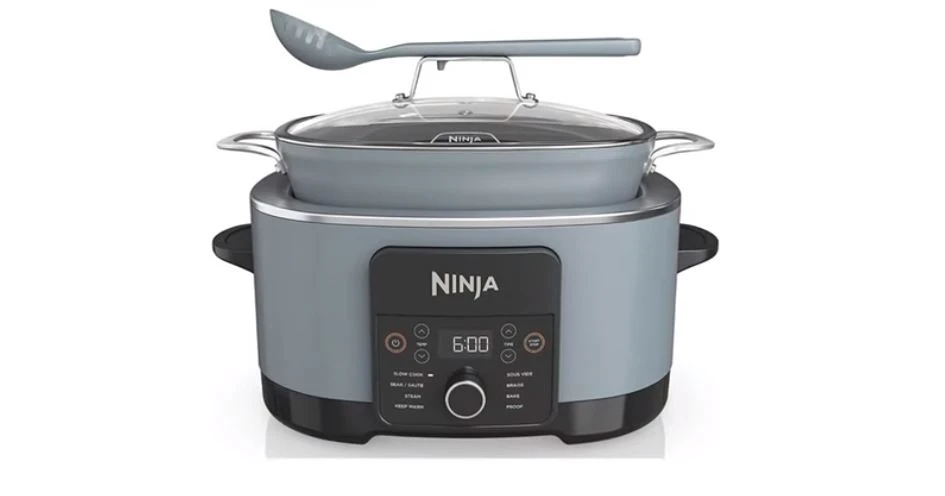
6 Common Ninja Foodi Slow Cooker Problems: Causes & Fixes

Most Ninja Foodi slow cooker problems come from a handful of simple causes: a power or outlet fault, the wrong lid or valve setup, an incorrect setting, or residue and worn parts. Many fixes take only minutes, but a damaged cord or a dead heating element needs a repair, not a workaround.
Picture standing in the kitchen with prepped ingredients and a cooker that stays dark, never warms up, or hisses steam you did not expect. Guessing wastes ingredients, time, and sometimes food safety. This guide shows what to check first, which sounds are normal, and when a repair or replacement is the smarter move. You will also see how lid type, cooking habits, and a simple care routine affect results, so the same problem does not come back next week.
Quick Checks Before Calling Your Ninja Foodi Slow Cooker Faulty
Before you blame the appliance, run through these checks in order. Most no-start and low-heat complaints trace back to something small.
My friend had the same issue with a cooker that would not power on, so I always begin with the outlet and the cord.
- Outlet: test it with a lamp or phone charger.
- Breaker: make sure the circuit breaker has not tripped.
- Cord: look for kinks, bent prongs, or exposed wires.
- Lid: close and lock it fully, because many models pause the timer and turn off the heating element when the lid is open.
- Pot: seat the cooking pot fully before you start.
- Setting: confirm Slow Cook, a heat level, and a time are all selected.
6 Common Ninja Foodi Slow Cooker Problems: The Causes and Fixes
1. Ninja Foodi Slow Cooker Not Working
A cooker that will not turn on at all is the most frustrating problem, especially when dinner is already prepped. The cause is often outside the appliance: a dead outlet, a tripped breaker, or a damaged power cord.
If the outlet and cord are fine and the display stays dark, the problem is likely internal, such as a failed control board or heating part. That kind of fault needs professional repair or replacement.
Fixes
- Test the outlet with another device and check the breaker.
- Inspect the cord for damage. Never touch exposed wires while the unit is plugged in.
- If the unit stays dead, stop using it and contact the manufacturer. Do not open the base yourself.
2. Ninja Foodi Won’t Slow Cook
Sometimes other functions run normally but the slow cook program refuses to start or stops heating. Common causes are the wrong function selected, a lid that is not closed and locked, a lid or valve setup that does not match your model, or a heating fault.
Because the heating element can switch off when the lid is open, a lid that is slightly off its seat can look like a dead slow cook function.
Fixes
- Select Slow Cook, choose Low or High, set the time, and press start.
- Close the lid fully and check that the silicone ring is in place.
- Run a different cooking mode to test whether the unit heats at all.
- If no mode heats, contact support, because the heating part or a sensor may have failed.
3. Slow Cooker Makes Hissing Sound
A hiss can sound alarming, but a little steam escaping during a long cook is common. Steady, loud hissing is different. It usually points to a lid that is not seated, a missing or misplaced silicone ring, or a loose pressure release valve.
Models with a pressure lid use a valve that can come loose from its post. Pushing it back into place often solves the noise.
Fixes
- Stop cooking, unplug the unit, and let it cool before you open the lid.
- Reseat the lid and confirm the silicone ring sits flat all the way around.
- Check that the valve is attached. Press it down onto its post if it is loose, and do not take the valve apart.
- Check your owner’s guide for the valve position your model needs for slow cooking.
4. Cooker Smells Bad
Odors usually come from old food residue, a silicone ring that absorbed smells, or ingredients that were not fresh. Smells that linger after cleaning deserve a closer look at the lid parts and the base.
New units can also give off a faint smell during early use, which usually fades. A burning or electrical smell is different and means you should unplug the unit.
Fixes
- Wash the pot and silicone ring, and hand wash the lid rather than using a dishwasher for pressure lid parts.
- With the unit unplugged and cool, wipe residue from the heating area and the base of the pot.
- Use fresh ingredients and let every part dry fully before storing.
5. Food Keeps Getting Overcooked
Overcooked food usually traces back to cook time, heat level, or the recipe. Some owners note that the High setting can run intense while Low can feel gentle, so timing from an old crock-style recipe may not carry over to a multi-cooker.
Lean cuts and small pieces suffer first. Tougher, fattier cuts handle long cooking far better.
Fixes
- Start with Low and shorten the time on your first few meals.
- Choose recipes written for slow cooking, and cut pieces to a similar size.
- Check doneness with a food thermometer in the thickest part instead of relying only on the timer.
6. Ninja Foodi Slow Cooker Not Hot Enough
If food stays lukewarm, the cause may be a weak electrical supply, a failing heating element, or a faulty temperature sensor. Slow cookers heat gradually, so judge by food temperature rather than by touch.
This matters for safety. Food that never reaches a safe internal temperature should not be served.
Fixes
- Check the outlet, breaker, and cord first.
- Measure the food temperature with a thermometer after the expected cook time.
- Test another cooking mode. If nothing heats properly, contact support about the heating element or sensor.
Which Lid And Valve Setting Fits Ninja Foodi Slow Cooking?
Ninja Foodi models do not all use the same lid. Some use a pressure lid with a release valve, some use a SmartLid with a slider, and the PossibleCooker line uses a glass lid.
That difference matters because a lid that is not seated, a valve in the wrong position, or a missing silicone ring can cause steam loss, hissing, or a slow cook program that will not start.
Your owner’s guide lists the lid, slider position, and valve position for the Slow Cook function on your exact model. Ninja’s own guides show that valve position does not matter in some cooking modes, so do not assume one rule fits every unit.
Find the model number on the label under the base, then match the guide to that number. Confirm the pot, ring, and lid are all the parts made for that model.
Once the setup is right, keep the lid closed. Each time it opens, steam escapes and, on many models, the timer pauses.
Normal Noises Versus Real Ninja Foodi Slow Cooker Faults
- Light humming or buzzing: often normal while the heating element works.
- Some steam at the lid edge: common during long cooks.
- Steady loud hissing: not normal, so check the lid seat, ring, and valve.
- Moisture under the lid: normal, since heated food releases steam. Some models need the condensation collector emptied during recipes that run longer than four hours.
- Switch to Keep Warm: normal once the cook time ends.
- Blinking display or error code: not normal, so look up the code in your owner’s guide.
- Burning smell, smoke, or sparks: not normal, so unplug the unit right away.
Mistakes That Make Ninja Foodi Slow Cooking Fall Short
- Lifting the lid often: heat and steam escape, and the timer can pause. Peek only when a recipe asks you to.
- Wrong fill level: fill the pot about one half to two thirds full. Too much food can overflow or cook unevenly.
- Uneven pieces: vegetables cook slower than meat, so place them in first and cut everything to a similar size.
- High heat for too long: choose Low for tougher cuts and long cooks, then check the food earlier than you expect.
- Letting food sit before cooking: start the cooker as soon as you finish prepping, and avoid long delays with raw food at room temperature.
Ninja Foodi Care Habits That Prevent Slow Cooker Problems
Good upkeep removes many of the problems above before they start. Think of it as a short routine after every meal.
- Unplug the unit and let it cool fully.
- Hand wash the pressure lid and its parts, and do not put them in the dishwasher or take the valve apart.
- Wash the pot and silicone ring, then dry them completely.
- Wipe the base with a damp cloth and never submerge it in water.
- Use wooden or silicone tools to protect the pot coating.
- Check the cord and plug now and then for wear.
The same habits carry over to other countertop appliances. If you also own one, see this guide on cleaning a Ninja coffee maker.
When To Stop Using Your Ninja Foodi Slow Cooker
Some signs mean the cooker should stay unplugged until it is checked or repaired.
- Damaged cord or plug: frayed, cracked, or discolored parts.
- Burning smell, smoke, or sparks: unplug it and do not use it again.
- Lid that will not seat or lock: a cracked or warped lid is a safety risk.
- Liquid or food inside the base: moisture near the electronics is dangerous.
- Recall notice for your model: in May 2025 the manufacturer recalled certain Foodi pressure cookers because the pressure lid could be opened during use. Check your model number on the official notice from the U.S. Consumer Product Safety Commission, and follow its instructions.
Repair Or Replace Your Ninja Foodi Slow Cooker
Use a simple rule. If the symptom is odor, hissing, or overcooking, the cause is usually setup, cleaning, or recipe timing, so fix those first.
If you have a dead unit on a working outlet, no heat in any mode, or a damaged cord, the fault is internal. Contact the manufacturer with your model number and proof of purchase, and review your warranty terms before paying for anything. Do not open the base yourself.
A similar step by step approach helps with other appliances, such as these Ninja coffee maker problems. If you decide a multi-cooker no longer suits how you cook, Ninja indoor grills are another countertop option.
What Else Should You Know About Ninja Foodi Slow Cooking?
Can I cook frozen meat in my Ninja Foodi on the slow cook setting?
It is better not to. The USDA advises thawing meat and poultry fully before it goes into any slow cooker, because a frozen block can spend too long between 40 and 140 degrees Fahrenheit, where bacteria multiply quickly. Thaw it in the refrigerator overnight, in cold water, or in the microwave and cook it right away. If you forgot to thaw, choose a faster method such as the oven or stovetop instead. Always check the thickest part with a food thermometer.
Is it safe to leave my Ninja Foodi slow cooker running while I am away?
USDA guidance says food stays safe while a slow cooker keeps operating, but your owner’s guide has the final word on unattended use for your model. Keep the unit on a clear, dry counter with the cord out of walkways. If the power fails while you are away, discard the food. If you are home and the food had already finished cooking, it stays safe for up to two hours with the power off.
Is it safe to cook dried beans in a Ninja Foodi slow cooker?
Boil dry beans for at least 10 minutes first, then drain them and add fresh liquid. This extra step matters because undercooked dry beans can make people sick, and low slow cooker heat may not cover the gap. After boiling, cook the beans on your chosen setting until fully tender, and taste one before serving. Canned beans are a shortcut, since they are already cooked.
How should I store leftovers from my Ninja Foodi slow cooker?
Do not refrigerate food in the cooker pot itself. Instead, move leftovers into shallow containers and chill them promptly. Reheating leftovers in a slow cooker is not recommended because it heats too slowly. Warm them on the stove or in the microwave until steaming hot, then move them to a preheated cooker only to keep them hot for serving.
Can I slow cook a stuffed chicken or turkey in my Ninja Foodi?
USDA guidance says not to cook stuffed poultry in a slow cooker. The stuffing can stay below a safe temperature too long, and bacteria grow quickly in that range. Cook the stuffing separately in the oven or on the stove and check it with a food thermometer. Large unstuffed cuts of meat and poultry can be cooked in newer slow cookers, but check your owner’s guide for the size limit.
A Calm Plan For Fixing Ninja Foodi Slow Cooker Issues
Start with the basics: outlet, cord, lid, pot, and settings. Most problems clear up there, and the rest usually trace back to lid and valve setup, cleaning, or recipe timing.
Keep a simple routine of washing parts, drying them fully, and keeping the lid closed while food cooks. It prevents most hissing, odor, and uneven results.
When the unit will not power on, will not heat in any mode, or shows damage or a recall match, stop using it and contact the manufacturer. A careful pause protects both your meal and your kitchen.
