
7 Common Propane Fire Pit Problems and How to Fix Them

Disclosure: As an Amazon Associate, I earn from qualifying purchases. Learn more
A propane fire pit may fail to light, produce a weak flame, make unusual noises, or shut off unexpectedly. Common causes include an empty fuel supply, wind, a blocked burner, an ignition fault, or a problem with the regulator or safety sensor.
Some issues can be identified through simple visual checks, but gas-related faults should not be repaired by guesswork. If you use a fire pit outdoors, you may wonder whether the problem is minor or a sign of a more serious fault. The key is to recognize which symptoms are safe to check and when to stop using the unit. This guide explains seven common propane fire pit problems, practical prevention steps, and the warning signs that call for professional service. Always follow the instructions for your specific model.
7 Common Propane Fire Pit Problems and How to Fix Them
Propane fire pits rely on a steady fuel supply, a functioning ignition system, and a clean burner. A fault in any of these areas can affect the flame. The following problems cover common symptoms and safe next steps.
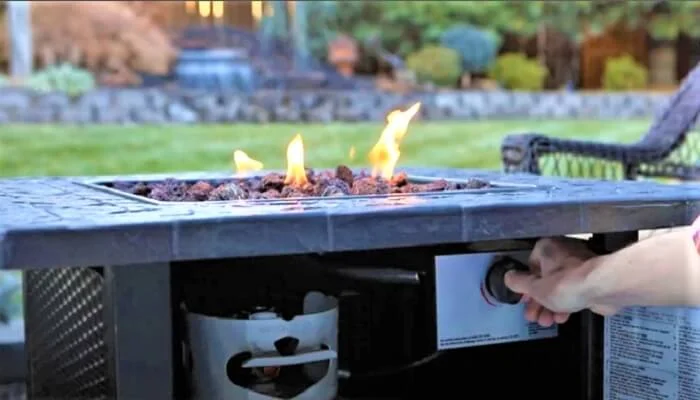
1. The Flame Lights but Keeps Going Out
A propane fire pit that lights and then shuts off may have a safety-sensor issue, inconsistent fuel flow, or exposure to strong wind. A thermocouple or flame-sensing component may also fail to detect the flame correctly.
- Wind: Gusts can disturb the flame. Stop using the unit during unsuitable wind conditions stated in its manual.
- Fuel supply: A low propane supply may cause an unstable flame.
- Safety sensor: A faulty or incorrectly positioned sensor may need professional inspection.
- Internal fault: A damaged valve or regulator can interrupt fuel delivery.
Turn the fire pit off and allow it to cool. Check the visible area for debris and review the model’s lighting instructions. If the flame continues to go out, stop using the unit and arrange qualified service. Do not bypass a flame sensor or safety shutoff.
Read more: Propane Fire Pit Won’t Stay Lit
2. The Propane Fire Pit Takes Too Long to Ignite
Delayed ignition can indicate an ignition-system problem or an interruption in fuel delivery. A wet or damaged igniter, depleted igniter battery, or internal obstruction may be involved.
- Review the owner’s manual for the correct lighting procedure.
- Check the igniter battery only if the manual identifies it as user-replaceable.
- Look for visible damage or moisture around the ignition area after the unit has cooled.
- Stop trying to ignite the fire pit if you smell gas or hear an unusual gas-flow sound.
Repeated ignition attempts can allow unburned gas to accumulate. Never keep pressing the igniter or use an external flame to compensate for a malfunctioning ignition system. If normal operation does not return, have the unit inspected.
3. A Propane Fire Pit Produces a Gas Smell
A persistent propane odor is a serious warning sign. Propane is odorized so that a leak can be detected, and an unusual smell should never be dismissed as a normal part of operation.
If you smell gas, stop using the fire pit immediately. Do not light it, operate switches nearby, or attempt to locate the leak yourself. Move people and pets away from the area. From a safe location, contact your propane supplier, emergency services, or a qualified gas technician according to the urgency of the situation.
Do not use tape, sealant, or household repair materials on a suspected gas leak. Do not resume use until the cause has been identified and the appliance has been declared safe.
4. The Propane Fire Pit Makes a Whistling Noise
A whistle or high-pitched sound may come from gas flow, a regulator, or a component that is not operating as intended. Some appliances can make mild operating sounds, but a new or persistent noise deserves attention.
- New or loud whistle: Turn the unit off and consult the owner’s manual.
- Noise with a gas odor: Treat it as a possible leak and leave the area.
- Repeated noise during operation: Have a qualified technician inspect the regulator, gas connections, and appliance.
Do not adjust gas pressure or dismantle the regulator to stop a noise. The correct pressure and approved parts depend on the specific fire pit model.
5. The Propane Fire Pit Will Not Light
A fire pit that does not ignite may have an empty fuel supply, an ignition fault, or a problem with its control system. Wet components or an obstruction can also prevent normal operation.
- Confirm that you are following the model’s published lighting instructions.
- Check the fuel-level indicator if your tank or appliance has one.
- Look for visible damage to the ignition control, without removing covers or internal parts.
- Stop if the appliance does not ignite as described in its manual.
If the igniter clicks but no flame appears, do not assume that the igniter is the only faulty part. The cause may involve fuel delivery or another component. A qualified technician can identify the issue without unsafe trial and error.
6. The Propane Fire Pit Has a Low or Uneven Flame
A weak flame or an uneven flame pattern can be caused by low fuel, wind, burner-port obstruction, or a fuel-delivery fault. Cold weather can also affect propane vaporization and appliance performance.
- Low fuel: The available propane supply may be insufficient for normal operation.
- Wind: Air movement can make the flame appear weak or uneven.
- Burner obstruction: Dirt, insects, or debris may interfere with the burner.
- Regulator or supply issue: A qualified technician may need to check the fuel-delivery system.
Turn the fire pit off and let it cool completely before performing any cleaning permitted by the manual. Do not insert tools into gas openings or disassemble the burner, regulator, or fuel line unless the manufacturer specifically identifies the task as user maintenance.
7. The Propane Fire Pit Appears to Be Leaking Gas
A suspected propane leak is not a routine maintenance issue. Warning signs can include a strong gas odor, an unusual hissing sound, or visible damage around the appliance’s fuel components.
Do not attempt to repair a suspected leak yourself. Avoid flames, smoking, and electrical switches in the affected area. Move away and keep others clear. Contact emergency services or a qualified propane professional from a safe location.
Never use tape, sealant, or an improvised patch on a propane tank, hose, valve, or connection. Do not relight the fire pit to test whether a suspected leak has stopped. The appliance must be checked and made safe by a qualified professional before it is used again.
Quick Checks Before Using a Propane Fire Pit
When the fire pit is completely off and cool, a few non-invasive checks may help you identify an obvious issue. These checks do not replace professional diagnosis.
- Review the owner’s manual and confirm that the appliance is being used outdoors as intended.
- Look for visible damage, corrosion, or debris around accessible exterior areas.
- Check whether the igniter battery is listed as user-serviceable.
- Make sure the fire pit is not being used in conditions that its manual prohibits.
- Keep combustible materials away from the appliance according to the specified clearances.
- Do not use the fire pit if you notice a gas odor, unusual noise, damaged parts, or abnormal flames.
Sometimes I have found that the most confusing fire pit problems are the ones that look minor at first, such as a flame that keeps changing. That is why it is important to distinguish a visible, simple issue from a fault involving gas flow or a safety component.
Cold Weather Can Affect Propane Fire Pit Performance
Propane appliances may perform differently in cold weather. As temperatures fall, propane vaporization can become less effective, particularly when the fuel supply is low. This may contribute to a weaker flame or reduced heat output.
Cold weather is not a reason to alter the regulator, warm a propane tank with an external heat source, or use an appliance outside its stated operating conditions. Follow the manufacturer’s temperature and fuel-level guidance. If the fire pit struggles to operate within its approved conditions, discontinue use and seek qualified advice.
Also, keep the appliance outdoors. Never bring an outdoor propane fire pit into a home, garage, enclosed porch, or other enclosed space to improve its performance. Follow the model’s ventilation and placement requirements.
Common Propane Fire Pit Mistakes to Avoid
Many recurring problems become more serious when users try to force the appliance to operate. Avoid these mistakes:
- Repeated ignition attempts: Stop if the unit does not light according to its instructions.
- Ignoring a gas odor: Treat any suspected leak as an urgent safety concern.
- Adjusting gas pressure: Leave regulator and pressure work to qualified professionals.
- Using improvised repairs: Do not patch hoses, valves, or fuel connections with tape or sealant.
- Operating in unsuitable weather: Follow the manufacturer’s wind and temperature limits.
- Using the fire pit indoors: Outdoor propane appliances must not be operated in enclosed spaces.
When a Propane Fire Pit Needs Professional Service
Some symptoms indicate that the problem is beyond routine user maintenance. Stop using the fire pit and contact a qualified technician if you notice any of the following:
- A persistent or recurring gas odor.
- A hissing sound or suspected gas leak.
- Flames appearing outside the intended burner area.
- Repeated shutdowns after following the manual’s normal operating procedure.
- A damaged regulator, valve, hose, or other fuel-system component.
- Persistent whistling, abnormal flame color, or irregular burner operation.
- An ignition problem that continues after the approved basic checks.
Gas pressure testing, valve replacement, fuel-line repair, and internal burner work should be handled by a qualified professional. If the appliance has been exposed to a suspected leak or abnormal fire, do not use it again until it has been inspected.
Read more: Quadra Fire Gas Stove Problems
FAQs
What Are the Most Common Propane Fire Pit Problems?
Common issues include a fire pit that will not light, a flame that goes out, low or uneven flame output, delayed ignition, unusual noises, and suspected gas leaks. The causes may involve fuel supply, wind, ignition components, burner obstruction, or a regulator fault. The symptom alone does not confirm the cause. Review the owner’s manual for approved checks, and stop using the appliance if you notice a gas odor, damaged components, or abnormal flames.
Why Does My Propane Fire Pit Have a Low Flame?
A low flame may be related to the available propane supply, cold weather, wind, a burner obstruction, or a fuel-delivery issue. Check only the basic items described in your model’s manual. Do not adjust the regulator or attempt to change gas pressure yourself. If the flame remains weak, becomes uneven, or changes unexpectedly, turn the appliance off and have it inspected by a qualified technician before using it again.
Why Does My Propane Fire Pit Keep Going Out?
A fire pit may shut off because of wind, inconsistent fuel delivery, or a safety sensor that is not detecting the flame correctly. A faulty thermocouple or another flame-sensing component may also require service. Avoid bypassing safety devices or repeatedly relighting the unit. If it continues to shut down after you follow the normal operating instructions, discontinue use and arrange a professional inspection to identify the cause safely.
What Should I Do If My Propane Fire Pit Smells Like Gas?
Stop using the fire pit immediately. Do not light it, smoke nearby, operate electrical switches in the area, or try to find the leak yourself. Move people and pets away, then contact emergency services or a qualified propane professional from a safe location. Never patch a suspected leak with tape or sealant. Do not return to using the appliance until a qualified professional has identified the cause and confirmed that it is safe.
Can Wind or Cold Weather Affect a Propane Fire Pit?
Yes. Wind can disturb or extinguish a flame, while cold temperatures can affect propane vaporization and reduce performance, especially when the fuel supply is low. Each model has its own operating limits, so check the manufacturer’s instructions rather than relying on a general temperature or wind rule. Do not warm a propane tank with an external heat source or use the fire pit in a location that the manual does not permit.
Keep Propane Fire Pit Use Safe and Reliable
Most propane fire pit problems show up as ignition trouble, an unstable flame, reduced heat, or an unusual sound. A few non-invasive checks may help identify an obvious issue, but gas-system faults require professional attention.
Follow the owner’s manual, keep the appliance clean through approved maintenance, and stop using it when something seems abnormal. Above all, treat a suspected gas leak as an urgent safety concern. Avoid improvised repairs and let a qualified technician handle problems involving the regulator, valve, fuel line, or safety controls.
Read more: Gas Fireplace Logs Reviews and Buying Guide
