
Can Diesel Be Used in a Kerosene Heater and What Actually Happens

Disclosure: As an Amazon Associate, I earn from qualifying purchases. Learn more
If you rely on a kerosene heater for backup or seasonal heat, you may wonder whether diesel fuel can be used instead. This question usually comes up when kerosene is unavailable, diesel is already on hand, or heat is needed immediately. At a glance, both fuels look similar, which leads many people to assume they burn the same way.
The problem is that kerosene heaters are not all built the same. Some designs tolerate diesel reasonably well, while others react poorly and create smoke, a strong odor, or long-term damage. Indoor air quality and heater lifespan are the biggest concerns, especially with wick-based models.
Understanding how heater design and fuel chemistry interact removes the guesswork. Once you know which heaters can run on diesel and which cannot, the decision becomes much clearer and safer.
Can You Use Diesel in a Kerosene Heater?
The correct answer is that it depends on the heater type.
Some kerosene heaters are engineered to burn both kerosene and diesel fuel. These are usually forced-air or pressurized heaters, often labeled as kerosene-ready heaters. They atomize fuel before combustion, which helps thicker fuels burn more evenly.
However, most indoor kerosene heaters use a wick system, and these are designed specifically for clean-burning kerosene. Diesel does not vaporize the same way and causes combustion problems in wick heaters.
So when people ask if kerosene heaters use diesel fuel, the real question is not about fuel similarity—it’s about combustion design.
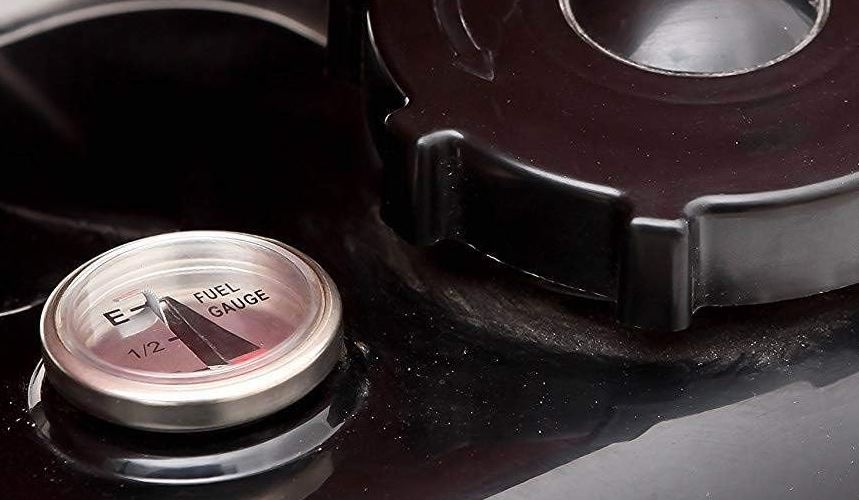
We recommend the Protemp 175,000 BTU Kerosene Diesel Forced Air Heater for situations where you need reliable heat from both kerosene and diesel in larger spaces like garages or workshops. Its robust design, built-in thermostat, and fuel gauge make it a practical choice for multi-fuel heating needs when kerosene alone isn’t available.
The Protemp 175,000 BTU Kerosene Diesel Forced Air Heater is a smart choice for buyers who need a reliable multi‑fuel heater for workshops, garages, or well‑ventilated spaces → View on Amazon
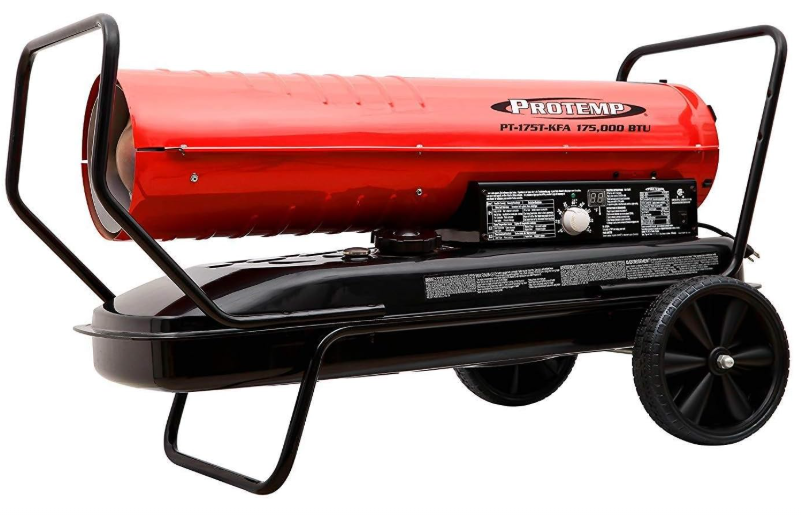
Image & Product: Amazon
Latest Alternative: The featured product is no longer available. We now recommend the Remington 140,000 BTU Kerosene/Diesel Heater
Why Diesel Behaves Differently Than Kerosene
Diesel and kerosene come from similar refining processes, but they perform very differently inside a heater.
Key differences that matter:
- Diesel is thicker, so it does not wick upward efficiently
- Diesel burns dirtier, producing more soot
- Additives in diesel increase odor when burned indoors
- Lower volatility makes ignition less stable
These differences explain why diesel often causes smoking, strong smells, and carbon buildup when used in heaters not designed for it.
Kerosene vs Diesel in Heaters: Quick Comparison
| Fuel Property | Kerosene | Diesel |
|---|---|---|
| Viscosity | Thin | Thick |
| Burn Cleanliness | Clean | Soot-prone |
| Indoor Use | Suitable | Often problematic |
| Wick Compatibility | Designed for it | Damaging over time |
| Odor Level | Low | High |
This comparison highlights why diesel is not a drop-in replacement for kerosene, especially indoors.
When Diesel Can Be Used in a Kerosene Heater
Diesel can be used only under specific conditions.
- The heater is forced-air or pressurized, not wick-based
- The manufacturer states that diesel fuel is supported
- The heater is used in well-ventilated or non-living spaces
- Increased maintenance and odor are understood and accepted
These heaters are commonly used in garages, workshops, or construction environments—not bedrooms or living rooms.
If your heater relies on a wick, diesel use is not considered safe or practical.
Why Diesel Causes Smoke and Odor in Wick Heaters
| Symptom | Root Cause |
|---|---|
| Black smoke | Incomplete combustion |
| Strong smell | Fuel additives burning off |
| Wick hardening | Carbon deposits |
| Weak heat output | Poor fuel vaporization |
Once a wick is damaged by diesel residue, switching back to kerosene often does not restore performance. This is why even short-term diesel use can permanently affect a wick heater.
Safer Alternatives If Kerosene Is Unavailable
If kerosene is hard to find, these options are safer than diesel:
- Use only approved 1-K kerosene
- Choose electric heaters for indoor use
- Use indoor-rated propane heaters with safety shutoffs
- Wait until compatible fuel is available
Using an incompatible fuel may solve a short-term problem but create longer-term safety and maintenance issues.
What to Do If Diesel Was Used by Mistake
If diesel were accidentally added to a kerosene heater:
- Turn the heater off and let it cool fully
- Drain the fuel tank completely
- Dispose of the fuel properly
- Inspect the wick for stiffness or dark buildup
- Replace the wick if contamination is visible
- Clean internal surfaces before refilling
Continuing to run the heater will worsen the damage and odor.
- Worth Reading Next: Are Oil-Filled Radiator Heaters Safe Compared to Other Electric Heaters
Heater Designs That Support Diesel Fuel
Some heaters are engineered specifically to handle both diesel and kerosene. These models use forced-air combustion, sealed fuel delivery, and controlled ignition systems. This design minimizes fuel residue and stabilizes combustion.
These heaters are intended for work environments, not enclosed living spaces. The critical factor is always the manufacturer’s fuel compatibility rating—not assumptions based on fuel appearance.
SUNFIRE SF80 – All-in-One Diesel and Kerosene Heater
This dual-fuel heater is ideal for spaces requiring consistent heat. While it comes at a premium price, the convenience, quiet operation, and versatility make it worth considering for any multi-fuel application.

FAQs
Can You Run Diesel in a Kerosene Wick Heater Temporarily
Even short-term use is not recommended. Diesel damages wicks quickly, creates smoke, and leaves carbon deposits that often require wick replacement. Indoor air quality issues usually appear almost immediately.
Can Kerosene Heaters Use Diesel Outdoors
Only if the heater is designed for it. Forced-air heaters may tolerate diesel outdoors with ventilation, but wick heaters still perform poorly regardless of location.
Is Mixing Diesel With Kerosene Safer
No. Mixing fuels does not correct diesel’s combustion characteristics and often leads to unpredictable burning and wick damage unless explicitly approved by the manufacturer.
Why Does Diesel Smell Stronger in Heaters
Diesel contains additives and heavier compounds that produce odor when burned. In heaters not designed for it, incomplete combustion intensifies the smell.
Can a Kerosene Ready Heater Use Diesel Without Damage
Some models can, provided diesel is listed as an approved fuel. Even then, increased cleaning and ventilation are necessary.
So,
Diesel is not a universal substitute for kerosene. The safety and performance outcome depends entirely on heater design, not fuel similarity. Wick-style kerosene heaters are sensitive systems that perform poorly with diesel, while certain forced-air heaters are built to handle it under controlled conditions.
Knowing this distinction prevents smoke, odor, and permanent heater damage—and helps you choose the safest heating option for your situation.
More Posts You May Like:
- 5 Best Kerosene Stove Heaters Reviewed
- Diesel vs. Kerosene Heater: Performance, Safety, and Fuel Comparison
Discover New Articles: See Our Latest Updates
