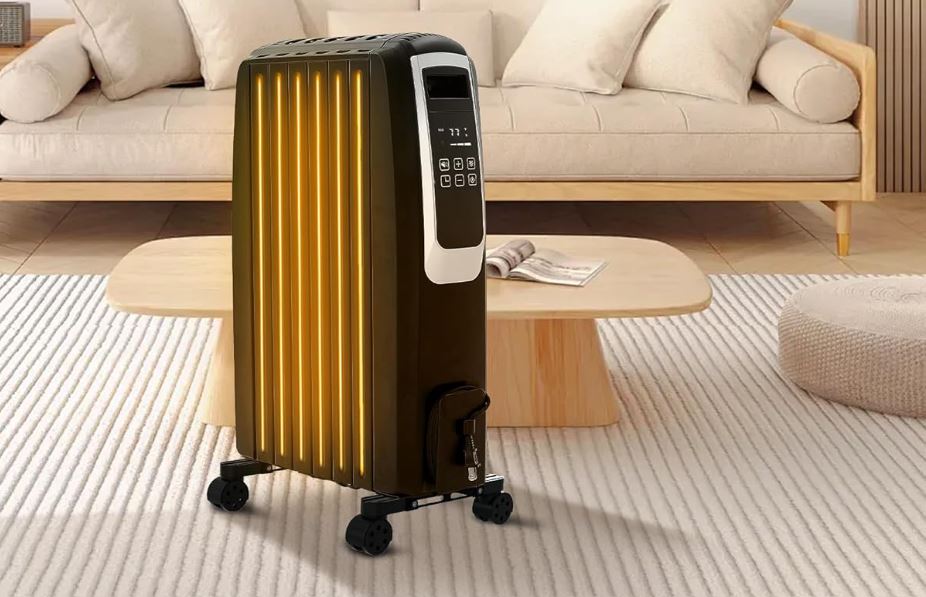
Are Oil-Filled Radiators Safe Overnight and Indoors

Disclosure: As an Amazon Associate, I earn from qualifying purchases. Learn more
Yes, oil-filled radiators are generally safe for indoor heating when you use them according to the manufacturer’s instructions. Their sealed oil reservoir does not burn fuel, and the electric heating element warms the oil inside the unit. However, fire hazards, electrical problems, hot surfaces, and unattended operation still require attention.
If you are considering one for a bedroom, living room, or home office, it helps to understand what makes this heater different from other electric heating options. Its quiet operation and gradual heat release can make it comfortable for everyday use, but neither feature eliminates fire risks.
This guide explains how oil-filled radiators work, what can go wrong, whether they are suitable for overnight heating, and how to use them more safely. You will also learn about electricity consumption, maintenance, and situations where another heating option may be more appropriate.
The DREO Oil-Filled Radiator combines adjustable heating levels, digital thermostat control, remote operation, and built-in safety features for indoor use.
Adjustable Indoor Heating
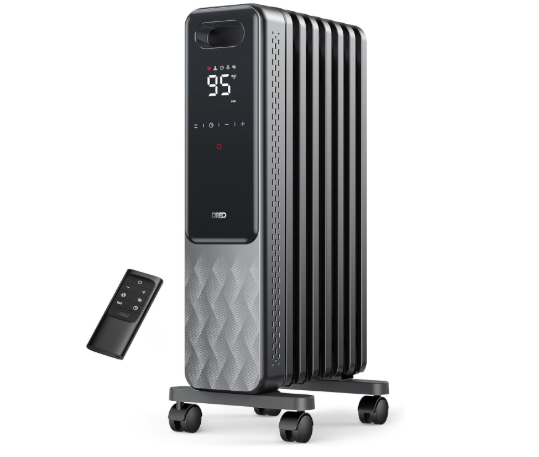
DREO Oil-Filled Radiator
- 600W, 900W, and 1500W settings
- Digital thermostat and ECO mode
- Overheat and tip-over protection
- Remote control and child lock
How Oil-Filled Radiators Produce Indoor Heat
An oil-filled radiator uses electricity to heat a sealed quantity of thermal oil inside its metal body. The oil circulates within the unit, transferring heat to the surrounding metal fins. Those fins gradually release warmth into the room.
The oil is not burned as fuel, and you do not need to refill it during normal operation. It serves as a heat-transfer medium rather than a source of combustion.
This design explains why oil-filled radiators operate quietly. Unlike fan-forced heaters, they generally do not need a fan to distribute warm air.
The metal casing still becomes hot during operation. Although the design has no exposed flame or glowing heating element, you should not assume that touching the radiator is harmless.
Going by the operating principles described in electric heater safety guidance, the absence of fuel combustion does not remove the need for proper electrical and fire precautions.
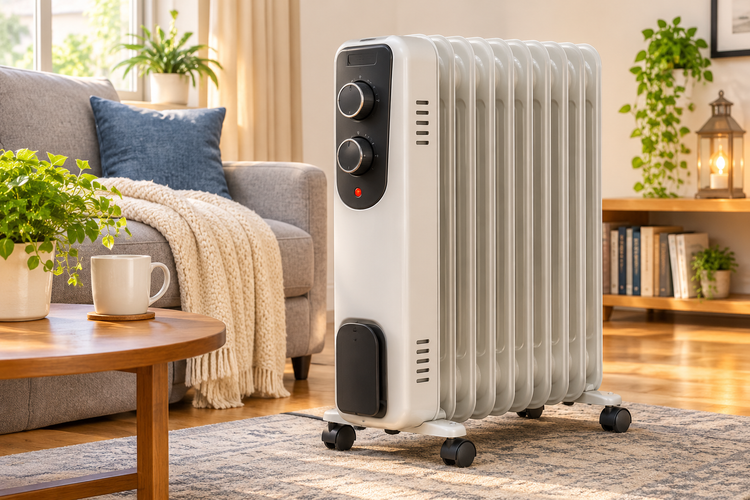
What Makes Oil-Filled Radiators a Fire Risk
Oil-filled radiators can cause fires when their electrical components malfunction or nearby combustible materials become hot enough to ignite. The sealed oil reservoir is not normally the primary fire concern.
Several conditions can increase the risk:
- Flammable materials nearby: Curtains, bedding, clothing, paper, and furniture can become dangerous when placed too close.
- Damaged electrical connections: Worn cords, loose plugs, and faulty outlets can overheat.
- Unstable placement: A heater that tips over or gets knocked down may create additional hazards.
- Restricted airflow: Covering the radiator or placing it in a cramped location can interfere with normal heat dissipation.
- Electrical overloading: Connecting a high-wattage heater through an unsuitable extension cord or overloaded outlet can create fire risks.
The U.S. Consumer Product Safety Commission recommends keeping portable heaters at least three feet away from combustible materials and plugging electric heaters directly into wall outlets.
Read the official heater safety guidance before using any portable electric heating appliance.
Can You Leave an Oil-Filled Radiator Overnight
Oil-filled radiators are often considered for bedroom heating because they produce steady warmth without the continuous fan noise associated with many other heaters. However, quiet operation does not mean that overnight use is automatically safe.
The National Fire Protection Association advises turning portable space heaters off and unplugging them when leaving a room or going to bed. The same precautions should apply to oil-filled models.
For safer bedroom heating, consider these points:
- Keep the radiator away from beds, blankets, curtains, and upholstered furniture.
- Place it on a stable, level floor.
- Keep children and pets away from its hot metal surfaces.
- Inspect the power cord and plug before operation.
- Follow the manufacturer’s instructions about operating time and automatic shutoff features.
Do not rely on a timer, thermostat, or tip-over switch as permission to leave a portable heater operating while everyone sleeps.
If you are heating a child’s sleeping area, additional supervision is important. You can also read our guide to space heater safety in children’s rooms.
How Much Electricity Oil-Filled Radiators Use
Oil-filled radiators use electricity to heat their internal oil reservoir. Their consumption depends mainly on the heater’s wattage, operating time, thermostat settings, and how frequently the heating element switches on and off.
For example, a 1,500-watt radiator operating continuously at full power uses approximately 1.5 kilowatt-hours of electricity per hour.
Actual consumption may be lower when the thermostat cycles the heating element off after reaching the selected temperature. However, the heater can consume substantial electricity if it operates at full output for extended periods.
Oil retention does not create additional energy or make electric resistance heating inherently more efficient. The stored heat simply continues transferring into the room after the heating element switches off.
To estimate electricity consumption, use this calculation:
- Heater wattage: 1,500 watts
- Power consumption at full output: 1.5 kWh per hour
- Operating time: 5 hours
- Estimated consumption at continuous full power: 7.5 kWh
For a practical comparison, read our guide to ceramic and convection heaters. Heating speed, room insulation, thermostat operation, and operating time all influence your electricity costs.
Which Safety Features Matter Most
Modern oil-filled radiators may include several protective features. Their availability varies by model, so check the manufacturer’s specifications rather than assuming every unit has the same safeguards.
Overheat Protection
This feature is designed to interrupt electrical heating when the unit reaches an unsafe internal temperature. It provides an additional layer of protection but cannot compensate for damaged wiring or incorrect placement.
Tip-Over Protection
A tip-over switch is designed to shut off the heater if it falls beyond a specified angle. This is useful protection, particularly in rooms where accidental contact is possible.
Adjustable Thermostat
A thermostat regulates heating according to the selected temperature. It can reduce unnecessary operation after the room becomes warm enough, although it does not eliminate electrical consumption.
Safety Certification
Look for a recognized independent testing laboratory certification mark. Certification provides evidence that a product has undergone applicable safety testing, but you must still follow its operating instructions.
The National Fire Protection Association also recommends stable placement, adequate clearance, and automatic shutoff protection in its portable heater safety recommendations.
Common Operating Mistakes That Increase Risk
Even a properly manufactured radiator can become hazardous when used incorrectly. Some mistakes are easy to overlook because they seem convenient during cold weather.
- Drying clothes on the radiator: Fabric can restrict heat dissipation and create a fire hazard.
- Using an extension cord: Portable electric heaters should be plugged directly into a suitable wall outlet.
- Ignoring unusual electrical behavior: A damaged cord, loose plug, repeated breaker trips, or unusually hot outlet requires attention.
- Moving the heater while operating: Follow the manufacturer’s instructions and switch it off before repositioning.
- Ignoring visible oil leakage: A leaking unit should be disconnected if safe to do so and removed from service.
- Using a damaged radiator: Do not continue operating a unit with damaged housing, wiring, controls, or electrical connections.
Never attempt to open the sealed oil reservoir or repair internal electrical components yourself. Have a qualified service professional assess a damaged heater.
How to Maintain an Oil-Filled Radiator Safely
Routine inspection helps identify problems before they become more serious. Oil-filled radiators generally require little maintenance, but their electrical components and external surfaces still need attention.
Use this basic maintenance checklist:
- Switch off and unplug the heater before cleaning.
- Allow the metal body to cool completely.
- Remove dust from the exterior using the method recommended by the manufacturer.
- Inspect the cord, plug, and housing for visible damage.
- Check that the wheels and support structure remain stable.
- Keep the heater away from moisture unless specifically designed for that environment.
- Store the appliance in a dry location when not in use.
Do not use water or cleaning chemicals on electrical components unless the manufacturer’s instructions specifically permit them.
If the heater develops an unusual burning smell, visible leakage, damaged wiring, or repeated electrical interruptions, stop using it. Do not attempt to solve an internal fault by repeatedly switching the appliance back on.
When an Oil-Filled Radiator Is Not Suitable
Although these heaters can provide comfortable supplemental warmth, they are not suitable for every household or heating situation.
Consider another heating arrangement when:
- You need unattended overnight heating: Portable heaters should be switched off before sleeping.
- Young children can easily reach the unit: The hot metal surface can cause contact burns.
- The electrical outlet is unreliable: Loose, damaged, or overheating outlets require attention before using a high-wattage appliance.
- The room is damp or frequently exposed to water: Use only equipment specifically approved for the intended environment.
- You need whole-house heating: A portable radiator is generally intended for supplemental room heating rather than replacing a properly designed central heating system.
Room size also matters. A radiator with insufficient heating capacity may struggle to maintain a comfortable temperature in a large or poorly insulated area. Choosing suitable heating capacity is more useful than simply running a smaller heater continuously at maximum output.
FAQs About Oil-Filled Radiator Safety
Can an oil-filled radiator explode?
Oil-filled radiators contain sealed thermal oil, but they are not designed to operate through combustion or fuel burning. A serious internal malfunction or damaged pressure-containing enclosure can create a hazardous situation, although an explosion is not a normal operating outcome. Never puncture, open, modify, or attempt to refill the sealed reservoir. Stop using a unit with visible damage, leakage, or unusual operating behavior.
Is the oil inside an electric radiator toxic?
The thermal oil is sealed inside the radiator during normal operation and is not intended to contact household surfaces or people. However, the exact fluid composition depends on the manufacturer. If a unit leaks, avoid touching or cleaning the substance without checking the manufacturer’s instructions. Keep children and pets away and contact the manufacturer for appropriate handling and disposal guidance.
Can an oil-filled radiator cause an electrical shock?
Yes, electrical shock is possible if the heater has damaged wiring, defective insulation, a faulty plug, or another electrical problem. Moisture can increase the danger, particularly when the appliance is not designed for damp environments. Never operate a heater with a damaged power cord or exposed electrical components. If you notice a fault, disconnect power safely and arrange a professional inspection.
Why does an oil-filled radiator make clicking sounds?
Occasional clicking can occur as the thermostat switches the heating element on or off or as metal components expand and contract during heating and cooling. However, repeated loud noises, electrical buzzing, burning odors, or unusual changes in operation should not be dismissed as normal. Check the manufacturer’s troubleshooting instructions and discontinue use if the sound suggests an electrical or mechanical fault.
Do oil-filled radiators continue producing heat after being switched off?
Yes. The thermal oil and metal body retain heat after the electrical heating element stops operating. The radiator gradually releases this stored warmth until its temperature approaches the surrounding room temperature. This explains why the unit may remain warm for some time after being switched off. It does not mean the heater is still consuming electricity once it has been disconnected from its power supply.
A Practical Approach to Safer Home Heating
Oil-filled radiators can be a useful source of quiet, supplemental indoor heat when they are in good condition and operated correctly. Their sealed oil system avoids fuel combustion, but electrical faults, hot surfaces, and nearby combustible materials remain important safety concerns.
Keep the appliance on a stable surface, maintain adequate clearance, use a suitable wall outlet, and follow the manufacturer’s operating instructions. Most importantly, turn it off before leaving the room or going to sleep.
The best decision is to choose an appropriately certified heater for your room, maintain it properly, and never depend on built-in safety features as a substitute for responsible operation.
