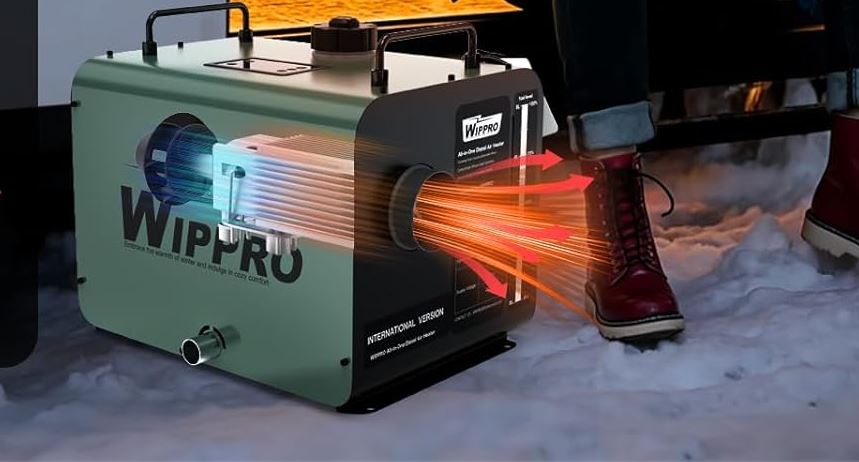
Yes, Diesel Heaters (All-in-One) Are Safe—But One Step Matters
Disclosure: As an Amazon Associate, I earn from qualifying purchases. Learn more
Yes, diesel heaters can be safe when used indoors only if they are sealed, externally vented, and installed correctly. They become dangerous when exhaust gases are allowed to mix with indoor air.
Many people consider diesel heaters for garages, RVs, vans, or workshops, but hesitate because safety advice online often conflicts. Some users report years of trouble-free indoor use, while others warn about fumes, carbon monoxide, or strong fuel smells. This gap usually comes down to heater design, venting quality, and installation errors, not diesel fuel itself.
The LF Bros 5KW all-in-one diesel heater stands out for altitude control and stable indoor performance → View on Amazon

The biggest concerns are carbon monoxide exposure, poor ventilation, and using the wrong heater type indoors. Modern all-in-one diesel heaters are built differently from older or open combustion models, and that difference matters. This guide explains which diesel heaters are safe for enclosed spaces, why problems occur, and how to prevent them before they start.
How Diesel Heaters Operate in Enclosed Areas
Diesel heaters generate heat by burning fuel inside a combustion chamber. In indoor-rated models, this chamber is fully sealed. Combustion air is drawn from outside, exhaust gases are expelled outdoors, and only clean heated air enters the room.
This design is typical in diesel air heater all-in-one systems used in RVs, vans, cabins, and garages. The heater does not burn oxygen from the room, nor does it release exhaust indoors when installed correctly.
Problems arise when people assume all diesel heaters work this way. Open combustion or forced-air diesel heaters release exhaust directly into the heated space. These models are intended for outdoor or industrial use only and are unsafe indoors.
All-in-one diesel heaters in 2kw, 5kw, or 8kw sizes are popular because they combine the burner, fan, fuel pump, and controls in a sealed unit. Safety depends less on heater size and more on proper exhaust routing and airflow separation.
Why Diesel Heaters Become Unsafe in Certain Conditions
Cause: Exhaust not fully vented outdoors
Effect: Carbon monoxide accumulates in the space.
Cause: Using open combustion heaters indoors
Effect: Fumes, oxygen depletion, and rapid air contamination.
Cause: Incorrect voltage or unstable power supply
Effect: Incomplete combustion and strong diesel odor.
Cause: Blocked intake or exhaust pipes
Effect: Overheating, shutdowns, or exhaust leaks.
Cause: No carbon monoxide detector installed
Effect: Dangerous conditions go unnoticed.
Most safety incidents come from installation shortcuts or mismatched heater types. Diesel fuel burns steadily when controlled. The danger comes from where the exhaust goes, not from the diesel itself.
Are All-in-One Diesel Heaters Safer Than Other Designs
Sealed Combustion System
All-in-one diesel heaters isolate combustion gases from indoor air, reducing inhalation risk.
Dedicated Intake and Exhaust Paths
Airflow is controlled and predictable, which supports safe indoor operation.
Integrated Safety Controls
Most models include flame detection, overheat protection, and automatic shutdown features.
Cleaner Combustion
Regulated fuel delivery reduces soot, odor, and carbon buildup. This is why many users rely on vevor 8kw diesel heater all-in-one or similar designs for enclosed spaces.
Safe Indoor and Garage Use of Diesel Heaters (Step-By-Step Solutions)
Step 1: Use a sealed diesel air heater all-in-one: Avoid open combustion or construction heaters.
Step 2: Route exhaust fully outdoors: No shared airflow with indoor air.
Step 3: Install a carbon monoxide detector: Place it near breathing height.
Step 4: Secure fuel lines properly: Prevent slow leaks and odor buildup.
Step 5: Match power requirements: Incorrect voltage causes unstable combustion.
Step 6: Clean the heater periodically: Carbon buildup reduces safety and efficiency.
Venting and Airflow Requirements for Diesel Heater Safety
- Exhaust pipe exits the structure completely
- Intake air is isolated from the exhaust outlet
- Heat shielding near walls or floors
- No exhaust leaks at joints
- Minimum clearance from combustibles
- CO detector installed and tested
- Passive airflow is present in the space
This applies to garages, RVs, and workshops using diesel air heaters all-in-one for indoor heat.
Indoor vs Outdoor Diesel Heater Use Scenarios
Garage or Workshop
Safe with sealed heaters and proper venting. Doors may remain closed if airflow and exhaust are correct.
RV or Campervan
Common and effective for overnight heating. Safety relies on exhaust integrity and power stability.
Tent or Temporary Shelter
Not recommended. Venting and fire risk are difficult to control.
Construction Sites
Open diesel heaters are acceptable only with heavy ventilation.
Installation Errors That Create Safety Hazards
- Exhaust routed too close to the intake
- Using indoor sealant on exhaust pipes
- Powering heaters with unstable adapters
- Ignoring altitude adjustment settings
- Skipping CO detectors
- Operating in airtight spaces
Warning Signs of Unsafe Operation vs Normal Behavior
Strong diesel smell indoors
Cause: Exhaust leak or poor combustion
Light startup odor that fades
Cause: Normal ignition cycle
Soot at the exhaust outlet
Cause: Airflow restriction
Clear the exhaust outdoors
Cause: Normal operation
Early detection prevents serious issues.
Diesel Heater Safety Comparison by Type
| Heater Type | Indoor Safe | External Venting | Typical Use |
|---|---|---|---|
| All in one diesel heater | Yes | Required | RVs, garages |
| Diesel torpedo heater | No | No | Outdoor sites |
| Open combustion diesel heater | No | No | Industrial use |
| Sealed diesel air heater | Yes | Required | Vans, cabins |
Diesel Heater 8KW All-in-One Review & Recommendations
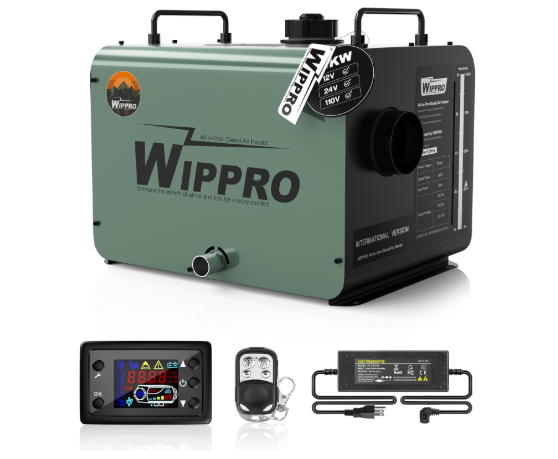
This 8KW all in one diesel heater is designed for users who need strong, consistent heat in RVs, garages, and enclosed workspaces. Its sealed diesel air heater design helps keep exhaust gases outside, while the LCD switch and remote control make temperature management simple. The multi-voltage support allows stable operation across different setups, reducing startup issues and incomplete combustion. The integrated fuel tank and compact case also help minimize leaks and clutter during installation.
This 8KW all-in-one diesel heater is widely chosen for its high heat output and flexible power options → View on Amazon
FAQs
Are Diesel Heaters Safe to Use Indoors Overnight?
Yes, when the heater is sealed, vented outdoors, and paired with a carbon monoxide detector. Overnight use is common in RVs and vans. Safety depends on installation quality and maintaining clear airflow paths.
Are Chinese Diesel Heaters Safe to Use Indoors?
Many Chinese diesel heaters use the same sealed combustion design as premium models. Safety depends on correct setup, exhaust sealing, and power stability rather than origin.
Can a Diesel Heater Be Used in a Closed Garage?
Yes, but only sealed diesel air heaters all in one should be used. Open combustion heaters are unsafe in closed garages regardless of ventilation.
Do Diesel Heaters Produce Harmful Fumes Indoors?
Only when exhaust gases enter the living space. Properly vented heaters expel all combustion gases outdoors.
Are Diesel Heaters More Efficient Than Propane Heaters?
Diesel heaters often provide steadier heat and lower fuel consumption, with less moisture buildup. Efficiency does not replace safety requirements.
Key Safety Takeaways
Diesel heaters are safe indoors when the correct heater type is used, exhaust is routed outdoors, and airflow is properly managed. Most safety concerns result from installation errors or using heaters not designed for enclosed spaces.
Sealed all-in-one diesel heaters are widely used in garages, RVs, and workshops because they separate combustion from breathing air. With basic precautions and routine checks, diesel heaters provide reliable indoor heat without unnecessary risk.
Similar Posts You May Like:
- Is the LF Bros Diesel Heater a Practical Heating Solution for Garages, RVs, and Workshops
- 5 Best Diesel Heaters (All-In-One) Reviews and Setup Guide
Discover New Articles: See Our Latest Updates
