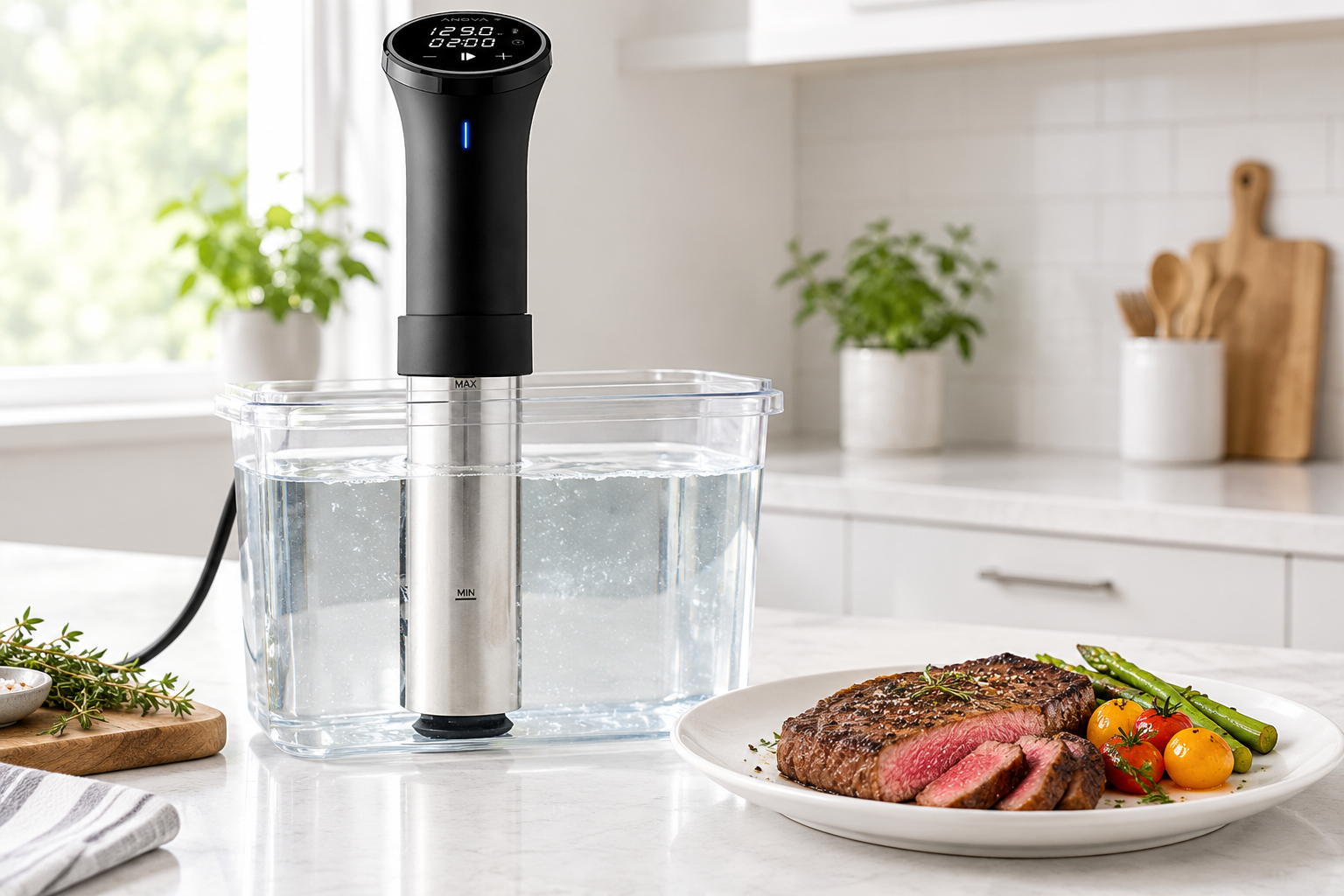
Is Sous Vide Worth It? The Honest Home Cook Answer

Disclosure: As an Amazon Associate, I earn from qualifying purchases. Learn more
Yes, sous vide is worth it if you want steady doneness and hands-off cooking, but it pays off less if you cook fast, rarely plan ahead, or only grill on weekends. The answer depends on how you actually eat.
You have probably seen a perfectly pink steak online and wondered whether a sous vide machine is more than a kitchen gadget. Maybe you have a busy weeknight schedule, a drawer already crowded with tools, or a few expensive cuts you hate overcooking. Those are real concerns, and so are food safety at low temperatures and the extra time and planning that long water bath cooks demand.
Below, you will find what precision cooking really changes, who gains the most, where it disappoints, and how to start without wasting money.
Best Choice
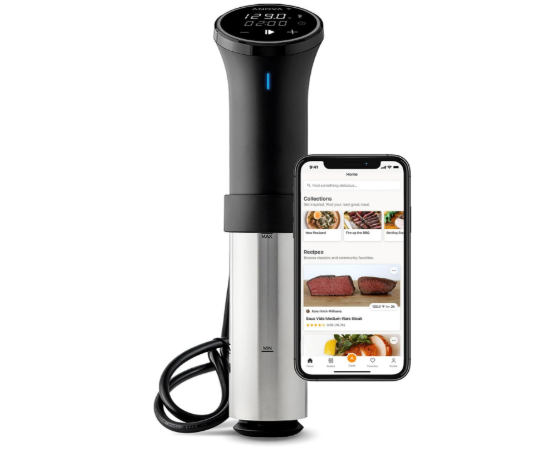
Anova Culinary Sous Vide Precision Cooker 3.0 (WiFi)
- 1100 watt power
- Dual band WiFi control
- Two-line touch screen
- Removable easy-clean skirt
What a Sous Vide Machine Actually Does at Home
Sous vide is French for under vacuum. You seal food in a bag, lower it into a water bath, and let a sous vide machine hold that water at one exact temperature. The device, usually an immersion circulator, heats and moves the water so the bath stays even.
Food can never get hotter than the water around it, so the edge and the middle slowly settle at the same temperature. In a hot pan, the outside runs far hotter than the center, and you chase doneness by timing.
You clip the circulator to a pot, set the time and temperature, and drop in the bag. A chicken breast may need about an hour; tough cuts a day or two. One catch: water never browns food, so most cooks finish with a quick sear.
Why Sous Vide Cooking Gives Such Even Results
The main cause is precise temperature control. The gap between rare and medium rare is only a few degrees, and a circulator holds the bath steady so you land on the temperature you chose instead of overshooting it.
The sealed bag helps too. Heat moves in evenly and the juices stay close to the food instead of drifting off as steam, which is why chicken breast often turns out softer and juicier than it does in a hot oven.
Time adds a third effect. Long, gentle heating softens tough cuts without drying them out, because collagen breaks down slowly at a moderate temperature.
There is a window, though. Texture can turn soft if food sits too long, and safety depends on time as well as temperature.
Is Sous Vide Worth It for Busy Weeknights?
For many households, yes, because the work happens before dinner. You season and seal chicken breasts on Sunday, freeze the bags, and on a weeknight drop one in the bath, walk away, and finish with a quick sear. Parents and remote workers tend to gain the most, since a held bath is forgiving when homework or a call interrupts dinner.
Then again, sous vide asks for planning. A steak bag needs an hour or more plus preheating, so if you decide at six and eat at six thirty, a skillet is still faster.
Meal prep is where it shines. Cook several portions at once, cool the bags in ice water, refrigerate within two hours, and reheat gently later without drying the food out.
Anova Precision Cooker 3.0 Powers Sous Vide at Home
If you want a stronger circulator for bigger pots, the Anova Precision Cooker 3.0 pairs 1100 watts with an adjustable clamp that fits nearly any pot deep enough. It adds dual band WiFi and a two-line touch screen, and the stainless steel skirt twists off for easy cleaning. The maker states it keeps food within 0.2 degrees Fahrenheit of your target temperature.
Anova Precision Cooker 3.0 is a top choice for powerful, easy-clean sous vide cooking → View on Amazon
Best Foods for Sous Vide and Foods to Skip
Steak is the favorite. A thick cut cooked to medium rare comes out the same color edge to edge, then needs only a fast sear for crust.
Chicken breast, pork chops, and salmon dry out quickly in a pan, so a gentle bath keeps them tender. Eggs work well too, from custardy yolks to scrambled-style cooking.
Tough cuts like short ribs and pork shoulder reward long cooks, since the bath softens them without drying them out.
Now the skips. Soup, rice, and big batches of grains do not need precision, and a stove pot is faster. Stir-fries and crispy roasted potatoes lose their charm in a sealed bag.
Thin cuts and ground meat sit in the middle. Thin items cook fast anyway, and ground meat follows stricter safe-temperature guidance, so check a tested chart before trying burgers.
How to Sear and Finish Sous Vide Food Properly
Searing fixes the bath’s one weakness. Pat the cooked food completely dry, because surface moisture steams the meat and blocks browning.
Use a heavy pan such as cast iron with a thin layer of high-heat oil, and sear about a minute per side. The center already sits at its target, so extra heat only pushes it past doneness. A torch or grill works too, and a torch suits thick cuts and chicken skin.
Do not toss the juices in the bag. Pour them into the pan and reduce them into a quick sauce.
Sous Vide Time, Effort, and Running Costs at Home
The main cost is the circulator, and the total grows once you add a deep container, bags, and maybe a vacuum sealer. You can start small with a pot you own, a lid, and bags made for cooking.
Active work is only a few minutes to season, seal, and sear, but total time is longer than a skillet. A higher-wattage circulator heats the water faster, which shortens the wait before the first bag goes in.
Energy use depends on cook length. A short chicken cook uses little, a two-day short rib cook far more, and a lid or covered container cuts heat loss and evaporation.
Cleanup is a rinse, a wipe, and a bag to toss. The method pays off with regular use. If it would sit in a drawer, your money is better spent on a good pan and a thermometer.
Where Sous Vide Falls Short in Home Kitchens
The biggest limit is planning. You cannot decide at the last minute and still get the benefit, which is the most common reason people stop using their machine. Some foods also turn soft or mushy when held too long, and food lacks deep roasted flavor until you finish it with high heat.
Gear can cause trouble too. Water evaporates over long cooks, and most circulators have a minimum water line, so a lid or deeper container matters. One of our readers reported a long cook stopping early because the water level had dropped too low.
Small parts can wear over time, so tighten the clamp gently and store the cooker with care. Some owners of app-connected models also report pairing trouble, and the optional paid app tier is not needed to cook.
It is also no shortcut for big gatherings. A whole turkey or several roasts need a large container and a strong heater, and an oven does that job with less setup.
Safe Temperatures and Hold Times for Sous Vide Cooking
It can be safe, as long as you treat time and temperature as a pair. Food safety is not only about hitting 165 degrees Fahrenheit for a moment.
Lower temperatures can destroy Salmonella when food is held long enough. The lowest entry in the USDA cooking tables for cooked beef is 130 degrees Fahrenheit held for 121 minutes.
Going lower is where trouble starts. A university study on beef steaks found at least a five log reduction in Salmonella at 125 and 130 degrees Fahrenheit after various holding times, but at 115 degrees Fahrenheit only about a two log reduction after seven hours.
The USDA calls 40 to 140 degrees Fahrenheit the danger zone, because bacteria can double in as little as 20 minutes there. Put food into a preheated bath, hold it for a tested time, and use a probe thermometer to check the bath.
After cooking, serve right away, or cool the bag in ice water and refrigerate within two hours. Follow USDA reheating advice for leftovers.
If anyone at your table has a weakened immune system, stay with higher tested temperatures or ask a doctor first.
Choosing Safe Bags for Sous Vide Cooking
Most sous vide cooking happens far below boiling, and many bags use polyethylene or polyamide layers designed for food contact. Research aimed specifically at water bath bags is limited, so a cautious approach makes sense.
Pick bags labeled food safe and heat rated, free of BPA and phthalates. Skip PVC wraps and thin bulk film, and never reuse a bag that held raw meat.
For less plastic, reusable food-grade silicone bags work, and glass jars suit eggs and desserts.
Press out the air before sealing, using the water displacement method if you lack a vacuum sealer, so the bag stays submerged and cooks evenly.
Common Sous Vide Mistakes and How to Fix Them
- Skipping the pat dry: Wet surfaces steam instead of brown. Dry the food before it hits the pan.
- Floating bags: Trapped air cooks food unevenly. Press out the air or weigh the bag down.
- Low water level: Long cooks lose water. Cover the container and check the minimum line before you leave.
- Guessing the time: Thick food needs longer than thin food. Follow a tested chart for your cut.
- Setting the temperature too low: Very low settings may not cook food safely. Use tested time and temperature pairs.
- Overcrowding the bath: Packed bags block water flow. Leave space between them.
- Leaving food in too long: Texture turns soft past the suggested window. Set a timer.
Quick Checklist Before You Buy a Sous Vide Cooker
- You cook steak, chicken, pork, or fish often enough to use it regularly.
- You can plan dinner an hour or a day ahead.
- You have a deep pot or container with a lid.
- You know whether you prefer app control or a built-in screen.
- You have drawer or shelf space for the device.
- You will use bags made for cooking, and you own a probe thermometer.
- You are comfortable following tested time and temperature charts, especially for poultry and ground meat.
Who Gains Most From Sous Vide Cooking
Sous vide suits people who cook steak, chicken, or fish often, plan ahead, and value steady doneness. It matters less for fast, improvised dinners or big-batch meals. Even results come from precise water temperature, safety depends on pairing that temperature with enough time, and a hot sear finishes the job.
Read More:
- Best Heater and Fan Combo Tested
- Best Deck Heaters Reviewed
- 6 Best Sous Vide Cookers Guide For Steak And Chicken
Discover New Articles: See Our Latest Updates
