5 Best Hunting Blind Heaters for Cold Morning Sits

Disclosure: As an Amazon Associate, I earn from qualifying purchases. Learn more
Dawn feels longest when the cold starts climbing through your boots. For most setups, the Mr. Heater Hunting Buddy is the easiest place to start, with a camo body, two heat levels, and coverage sized for a roomy box blind.
Picking the right unit still takes some thought. A heater that suits a big box blind can be too much for a small pop-up, and any closed shelter changes how you handle fresh air and ventilation. You also want automatic safety shut-offs and a runtime that outlasts your sit.
Think about where you actually hunt. If you sit alone in a tight ground blind, a compact low-output heater may be plenty. If you share an insulated box blind on frosty mornings, more output and a longer fuel plan make the wait much easier.
Mr. Heater Hunting Buddy brings two heat levels and a camo finish for larger blinds, while BEYOND HEAT PH09 Radiant Heater adds a low-oxygen shut-off and long low-setting runtime.
For Larger Box Blinds
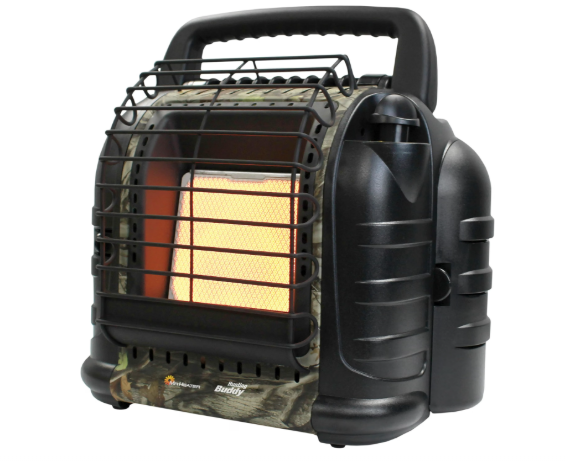
Mr. Heater Hunting Buddy
- 6,000 or 12,000 BTU
- Heats up to 300 sq ft
- Camo exterior finish
For Long Ground Blind Sits
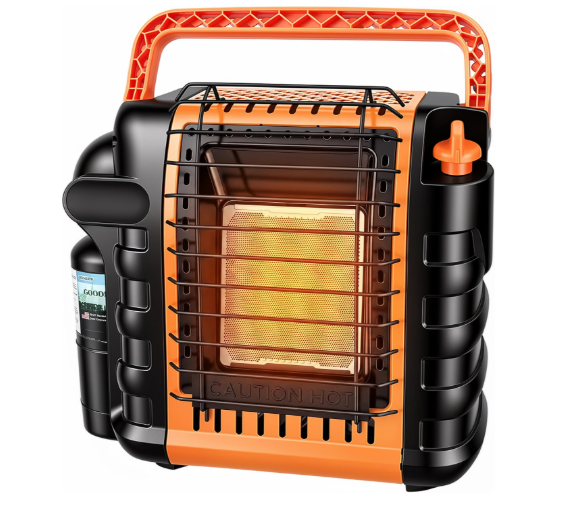
BEYOND HEAT PH09 Radiant Heater
- Low-oxygen sensor shut-off
- Up to 5.4 hours low
- Covers 225 sq ft
Why Radiant Propane Heat Suits Most Hunting Blinds
Radiant heaters warm the people and surfaces in front of them rather than trying to heat every pocket of air. That matters in a blind, where drafts slip through windows and seams and warm air rarely stays put for long.
Propane also keeps you independent of power. Several heaters in this list state plainly that no electricity is required, so you can carry one into a ground blind half a mile from the truck and still have heat at first light.
Every heater below runs on propane and either names hunting use in its listing or suits the small, enclosed spaces hunters sit in. Coverage, shut-off features, fuel options, and weight were weighed against the kinds of blinds people actually use, from one-person pop-ups to shared box blinds.
Top Picks for Warming a Deer Blind
1. Mr. Heater Hunting Buddy for Larger Box Blinds
Built with hunters in mind, the Hunting Buddy wears a camo finish and switches between 6,000 and 12,000 BTU per hour. The listing puts its reach at up to 300 square feet, the widest coverage in this group.
That headroom pays off in a box blind shared by two people or one with large shooting windows. A single control knob handles start-up, and lighting uses a match rather than a push-button igniter.
Real-Use Fit: Best suited to larger blinds where the high setting earns its place. In a small pop-up, the low setting is the one you will reach for most.
Standout Features:
- Two output settings, 6,000 or 12,000 BTU per hour
- Camo exterior that blends with hunting gear
- Single control start knob
Core Strengths:
- Widest listed coverage here, up to 300 sq ft
- Extra output for windy, open-window blinds
- Simple one-knob operation
Works Well With:
- Larger box blinds and shared shooting houses
- Propane fuel, as the listing specifies
- Hunters who prefer a camo finish
Before You Choose: Lighting uses a match, so pack a reliable lighter. At 11.24 pounds, it is also the heaviest heater here for long walks in.
2. BEYOND HEAT PH09 Radiant Heater for Ground Blinds
Two clear settings define the PH09, with 4,000 BTU for gentle warmth and 9,000 BTU when the wind picks up. Coverage reaches 225 square feet, a comfortable size for most two-person ground blinds.
As a propane heater for hunting blind setups, it is pitched for taking the edge off a cold blind on its listing. A low-oxygen sensor and a tip-over switch both cut the flame automatically, and one 1 lb tank runs up to 5.4 hours on low.
Real-Use Fit: A practical match for long sits in ground blinds, where the low setting stretches each cylinder through the morning.
Standout Features:
- Low-oxygen sensor with automatic shut-off
- Tip-over switch for bumped or knocked units
- Push-button ignition with no assembly needed
Core Strengths:
- Up to 5.4 hours on low per tank
- Two easy heat settings
- Carry handle for walking in
Works Well With:
- Ground blinds up to about 225 sq ft
- 1 lb propane cylinders, sold separately
- Hunters who sit from dawn to midmorning
Before You Choose: The 1 lb tank is not included, and 10.12 pounds adds up on a long hike. Read the manual’s ventilation guidance before closing every window.
3. Fitfirst Portable Propane Heater for Deer Blind Sits
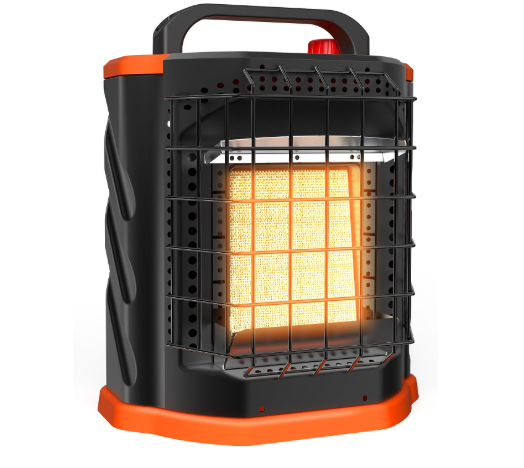
Fitfirst keeps things flexible with an adjustable 6,000 to 9,000 BTU range and coverage up to 225 square feet. It runs cordless on a 1 lb cylinder for up to 3.5 hours.
It also makes sense as a heater for deer blind use, since the listing names deer blinds directly among its suggested spaces. For all-day sits, an optional hose, not included, connects it to a 20 lb tank.
Real-Use Fit: Good for hunters who want the choice of a bigger tank on full-day sits without switching heaters.
Standout Features:
- Oxygen depletion sensor (ODS)
- Tip-over protection
- Top-mounted piezo ignition button
Core Strengths:
- Runs on 1 lb or 20 lb tanks
- Adjustable output for shifting temperatures
- Cordless, with no electricity required
Works Well With:
- Deer blinds and ground blinds
- 20 lb tanks using an optional hose
- Garages and RVs during the off-season
Before You Choose: Runtime on a 1 lb cylinder is shorter than the PH09’s, so carry a spare or plan on the optional hose.
4. BEYOND HEAT PH04 Radiant Heater for Tight Blinds
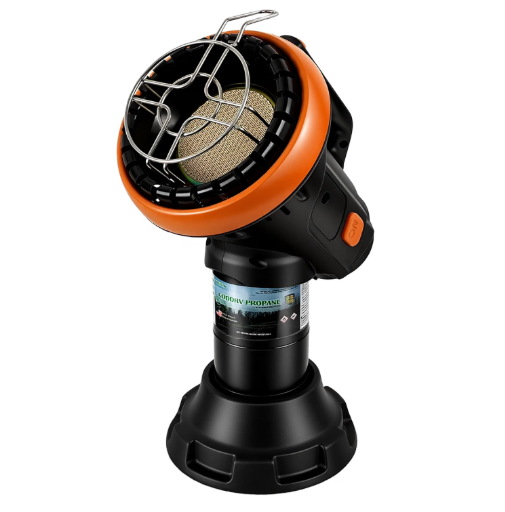
The PH04 is the smallest heater here, putting out 4,000 BTU and covering up to 100 square feet. That makes it a sensible size for a one-person pop-up or a cramped corner of a larger blind.
A two-position operating angle lets you aim warmth at your legs or hands. Push-button piezo ignition starts it without matches, and a tip-over shut-off adds protection if it gets bumped.
Real-Use Fit: Fits solo hunters who want a light, simple heater for small spaces and short morning sits.
Standout Features:
- Two-position operating angle
- Push-button piezo ignition
- Automatic tip-over shut-off
Core Strengths:
- Light at 6.3 pounds
- Sized for small one-person blinds
- Directs heat right where you sit
Works Well With:
- Small pop-up and ground blinds
- Ice fishing shelters and tents
- Solo hunters with short walks in
Before You Choose: The listing describes it as engineered for outdoor use and names only a tip-over shut-off. Confirm the manual allows use in your enclosed blind first.
5. Heat Hog Radiant Heater for Hunting and Ice Fishing
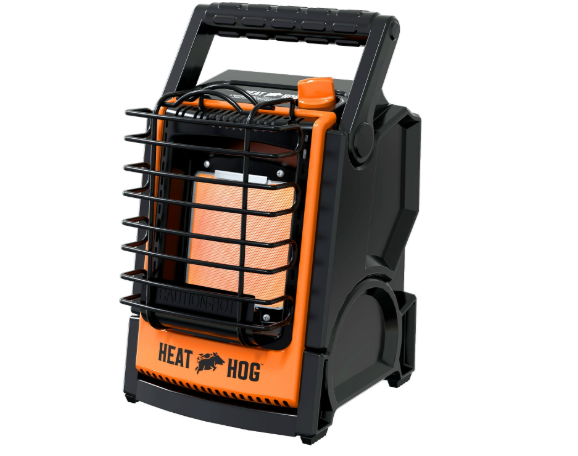
Heat Hog’s 9,000 BTU radiant heater covers up to 225 square feet and runs on a 1 lb cylinder or a 20 lb tank with an accessory hose. No electricity is required.
Its tiltable head lets you point warmth where you sit, and the listing claims the curved plaque spreads heat across a 33-degree wider area than a standard heater. Safety comes from a guard, a tip-over switch, and an oxygen depletion sensor.
Real-Use Fit: Handy in blinds where you shift between sitting and standing, since tilting the head keeps heat aimed at your body.
Standout Features:
- Tiltable heating head
- Oxygen depletion sensor and tip-over switch
- CSA listing claim on the product page
Core Strengths:
- Aims heat directly at you
- Works with 1 lb or 20 lb tanks
- Safety guard over the burner face
Works Well With:
- Blinds up to about 225 sq ft
- Ice fishing and hunting trips
- 20 lb tanks with the accessory hose
Before You Choose: The hose for 20 lb tanks is a separate accessory, so add it to your kit if you plan longer sits.
Matching Heat Output to Your Blind Size
More BTU is not automatically better. A heater that overpowers a small blind burns fuel faster, makes the space stuffy, and pushes you to open windows that you would rather keep cracked.
Going by the listed specifications, the heaters in this guide range from about 100 to 300 square feet of coverage, which spans most pop-up and box blinds hunters use. Measure your floor area first, then pick the smallest heater that covers it with a little room to spare for wind and open windows.
| Blind Setup | Listed Output and Coverage |
|---|---|
| One-person pop-up or small ground blind | 4,000 BTU, up to 100 sq ft |
| Two-person ground blind | 4,000 to 9,000 BTU, up to 225 sq ft |
| Larger or shared box blind | 6,000 to 12,000 BTU, up to 300 sq ft |
| Drafty blind with open shooting windows | Step up one size from floor area alone |
Insulated box blinds hold heat far better than thin fabric pop-ups, so a box blind may feel comfortable on a lower setting than its size suggests.
How to Choose a Heater for Deer Blind Use
- Measure the space. Floor area sets the coverage you need, as the table above shows.
- Check the shut-offs. Look for both a tip-over switch and an oxygen depletion sensor on the listing.
- Confirm indoor-use wording. Some compact heaters are described for outdoor use only, which changes how you can run them in a closed blind.
- Plan your fuel. Compare the runtime on a 1 lb cylinder with how long you usually sit.
- Weigh the walk. A heater around 6 pounds feels very different from one over 11 pounds on a long hike in the dark.
- Think about ignition. Push-button piezo starters are easier with cold fingers than a match-light design.
Safety Features That Matter Inside a Closed Blind
An oxygen depletion sensor shuts the heater off if oxygen levels in the space drop too low. In a small, closed blind, that one feature does more for your peace of mind than any other spec on the box.
A tip-over switch cuts the flame if the heater falls. Blind floors are often uneven dirt, plywood, or a folding platform, and boots, gear bags, and dogs all bump into things in tight quarters.
A protective front guard keeps sleeves, gloves, and blind fabric away from the hot burner face. Several heaters here list one, and it is worth having when you sit close to the heat.
Ventilation Habits That Keep Small Blinds Safer
Fuel-burning heaters use oxygen and create combustion gases, so fresh air is part of using one, not an option. Crack a window or vent on the side away from the wind before you light the heater, and keep it open the whole time it runs.
Consumer safety guidance from the CPSC advises never leaving a portable heater running unattended in a confined space, placing it on a stable, level surface, and turning a fuel-burning heater off and letting it cool before refueling.
A battery-powered carbon monoxide alarm adds a warning layer in a blind. If it ever sounds, get outside right away. For a closer look at the rules around heating indoors with propane, it helps to read the same safety logic applied to home use.
Propane Cylinder or 20 Lb Tank for Long Sits
The 1 lb cylinder is the classic choice for walk-in hunts. It is light, it threads straight onto most portable heaters, and spares slip into a pack. The trade-off is runtime, which in this list ranges from up to 3.5 hours to up to 5.4 hours on low, depending on the heater.
A 20 lb tank with a hose makes sense in a permanent box blind or anywhere you can drive close. The Fitfirst and Heat Hog listings both mention 20 lb tank use with a separate hose, which removes the swap-out routine on all-day sits.
- Choose 1 lb cylinders for walk-in ground blinds and short morning hunts.
- Choose a 20 lb tank for permanent box blinds and full-day sits.
- Keep the tank outside the blind when your heater’s manual recommends it.
Common Mistakes Hunters Make With Blind Heaters
- Running it with every window shut. Comfort is never worth closing off fresh air.
- Buying too much heat. A big heater in a tiny blind wastes fuel and makes the air stuffy.
- Setting it on a soft or tilted surface. Uneven ground invites tip-overs.
- Placing it near blind fabric or a chair. Fabric walls and padded seats can catch fire.
- Swapping cylinders while it is hot. Let the heater cool before changing fuel.
- Forgetting spare fuel. A cylinder that empties at first light ends the hunt early.
Is a Battery Powered Heater for Hunting Blind Enough?
Battery-powered options usually mean heated seats, seat cushions, or heated blankets rather than true space heaters. They warm the spot where your body touches them, which can feel surprisingly good on a still morning.
What they cannot do is warm the air in a blind the way a propane heater can. On a windy, below-freezing sit, most hunters find a heated seat works best as an add-on, not a replacement.
If you hunt mostly early season or prefer no flame at all, battery warmth plus good layers may be enough. For late-season cold, propane remains the more reliable source of real heat.
Keeping Heater Noise and Glow From Spooking Deer
Radiant heaters without a fan run with very little sound, which suits hunters who rely on silence. Ignition is the noisiest moment, so light the heater as soon as you settle in rather than right when deer start moving.
Burner glow can show through open windows in low light. Set the heater low on the floor, below the window line, and angle it toward your legs so the glow stays inside the blind rather than facing the shooting lanes.
Box Blind Accessories That Help Heat Go Further
A heater works better when the blind holds warmth. Simple box blind accessories can cut your fuel use and make a smaller heater feel bigger.
- Floor mats or carpet scraps stop cold rising from the floor.
- Window covers let you close unused windows and keep heat in.
- A non-flammable heater base gives the heater a stable, level spot.
- A battery CO alarm adds a warning you can hear.
- A heat-powered fan helps move warm air in a roomier blind; see these options for a stove fan setup.
Storing and Caring for Your Heater Between Seasons
Disconnect the cylinder or hose after every hunt, even if you plan to come back the next morning. Store cylinders upright in a ventilated spot away from living areas.
Before the season, check the burner face, guard, and fittings for dust, spider webs, or damage. Mud daubers and spiders love quiet heaters, and blocked parts can affect how the burner lights and runs.
Use only accessories the maker approves. The Hunting Buddy listing warns that unauthorized attachments can cause serious injury and void the warranty, and the same caution applies to any portable heater.
When a Portable Propane Heater Is the Wrong Choice
If you sit in a fully sealed blind with no way to vent it, a flame heater is the wrong tool. A heated seat or better insulation is the safer route there.
Hunting camps and wall tents are a different job too. For overnight heat in a canvas tent, a wood burning tent stove with a proper flue is built for the task. And if you are torn between fuel types for a permanent shooting house, comparing diesel and propane can help you decide.
Questions Hunters Ask About Blind Heaters
Why do blind windows fog up when the heater runs?
Burning propane releases water vapor along with heat, and your breath adds more. In a cold blind, that moisture condenses on windows and walls, which can blur your view right when a deer steps out. Keeping a window or vent cracked lets humid air escape and cuts down fogging. Running a lower setting helps too, since it burns less fuel and releases less moisture. A small cloth in your pocket for wiping glass is a simple backup.
What does it mean if I smell propane in the blind?
Propane is given an added odor so leaks can be noticed. A heater that is burning properly should not leave a strong gas smell in the blind. If you notice one, turn the heater off, close the cylinder valve, and step outside into fresh air. Once the smell clears, check that the cylinder is threaded on straight and the fittings are clean and undamaged. If the smell returns, stop using the heater until it has been inspected.
Is it safe to nap in the blind with the heater on?
No. A sleeping hunter is not watching the heater, and CPSC guidance says a portable heater should never be left running unattended in a confined space. Long, quiet sits make dozing easy, especially once the blind warms up. If you feel yourself drifting off, turn the heater off first and add a layer instead. Setting a phone alarm for regular checks can help you stay alert during slow mid-morning hours.
Do propane heaters struggle in very cold weather?
Propane pressure drops as temperatures fall, and small 1 lb cylinders feel this more than larger tanks. On bitter mornings, a heater may run weaker or take longer to warm up than it does in mild weather. Keeping spare cylinders inside your jacket or a pack until you need them helps. For hunts in deep cold, a 20 lb tank with a hose, where the heater supports it, gives steadier fuel supply over a long sit.
Can I use a blind heater in an open deer stand?
You can, but expect less benefit. Wind carries warmth away quickly in an open stand, so a radiant heater mostly warms whatever is directly in front of it. Raised stands also increase the stakes of a tip-over, so the heater needs a stable, secure base. Many hunters in open stands lean on heated seats, hand warmers, and wind-blocking covers instead, which are some of the most useful deer stand accessories for cold days.
How far should the heater sit from blind walls and gear?
CPSC guidance advises keeping all sides of a portable heater at least 3 feet from items that can catch fire. In a blind, that includes fabric walls, chairs with padded seats, blankets, backpacks, and clothing. Small pop-ups make that spacing tight, which is one reason a compact heater often suits them better. Place the heater in the open center of the floor, facing you, with nothing hanging above it.
Picking the Right Warmth for Your Setup
Start with the size of your blind and how long you sit, then match coverage and fuel to both. Compact heaters fit solo pop-ups, while shared box blinds benefit from more output and a bigger tank.
No portable heater replaces ventilation and attention. If you cannot vent your blind or stay awake beside the heater, choose a heated seat instead.
A good rule is to pick the smallest heater that covers your floor area with an oxygen depletion sensor and a tip-over switch. For most hunters with a roomy box blind, the Mr. Heater Hunting Buddy is a calm, dependable place to start.
