
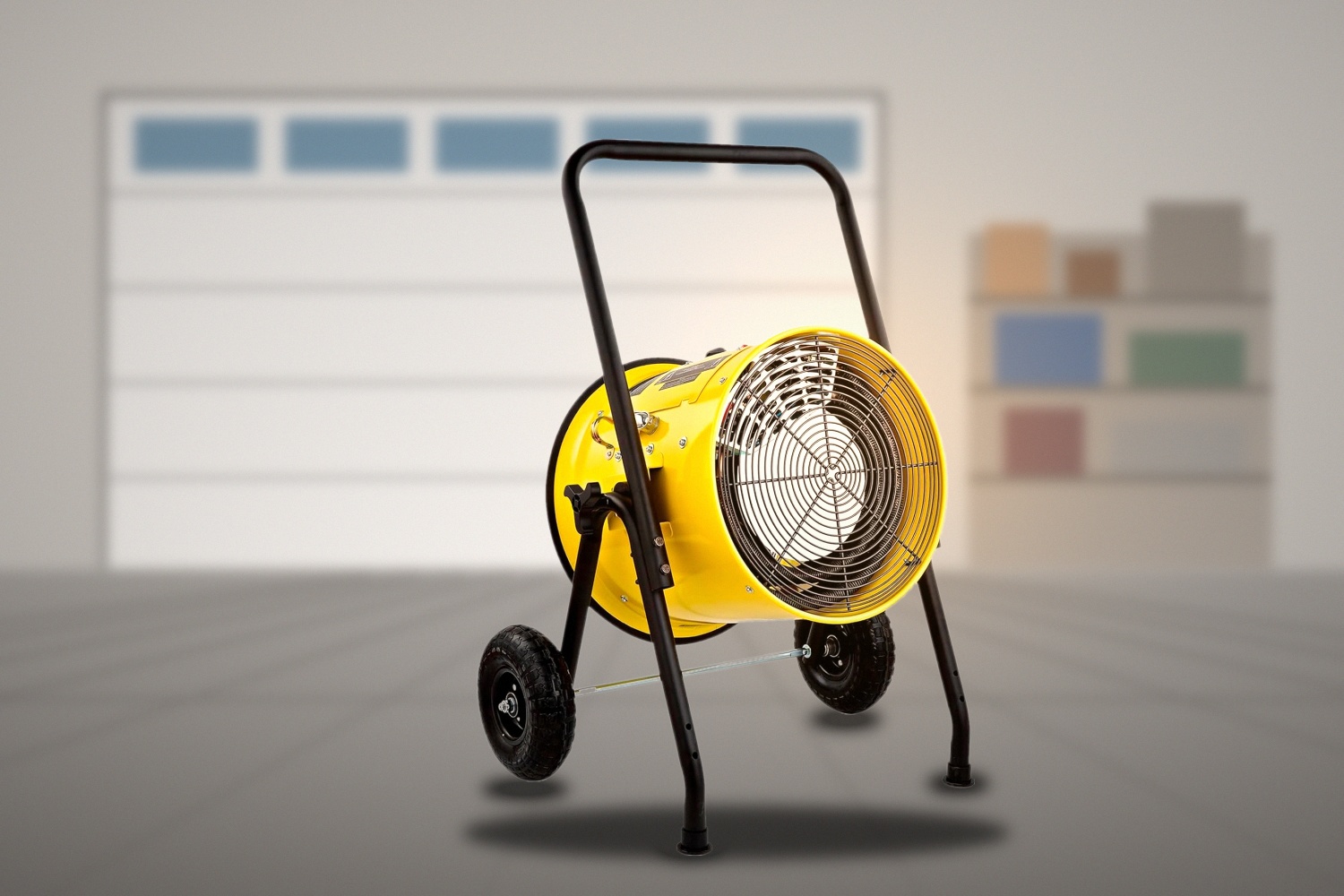
Best Salamander Heater Reviewed Across Fuel Types 2026

Disclosure: As an Amazon Associate, I earn from qualifying purchases. Learn more
Shopping for a salamander heater usually starts with a cold garage, a half-finished workshop, or a barn that never gets above freezing. Then the confusion kicks in. Propane, kerosene, diesel, electric, and natural gas units all look similar online, yet they behave very differently once you fire them up.
You may wonder how much BTU output your space really needs, whether your power supply can handle an electric model at all, and what happens to the air when a portable heater burns fuel indoors. I’ve sorted through five popular options to help you find the best salamander heater for your space, and I’ll point out where each one fits, where it struggles, and which details you should confirm before ordering. Honest comparison beats guesswork, especially when fuel type, power needs, and ventilation all affect safety and running cost.
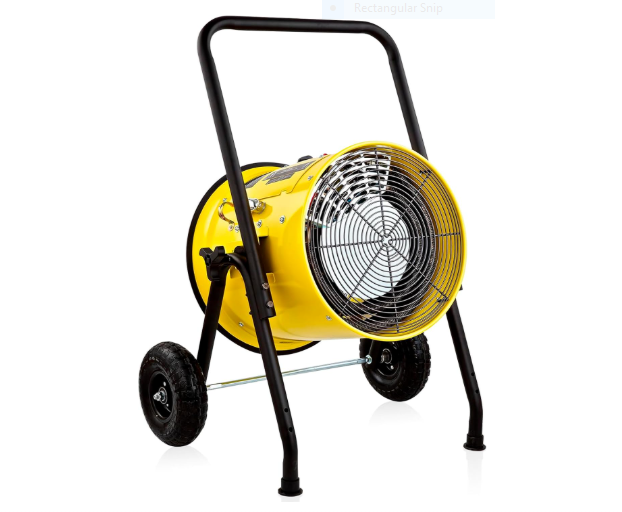
Dr. Infrared DR-PS11524 Electric Salamander Heater With Cart
The Dr. Infrared DR-PS11524 is a fan forced electric salamander heater rated at 15,000 watts on a 240 volt single phase supply. Because it uses electric elements instead of burning fuel, the listing describes the heat as clean, instant, and odor free, which matters in a shop where fumes would be a problem.
Construction centers on a heavy duty steel frame with safety guards on both the intake and output ends. An adjustable thermostat covers a range from 37 to 104 degrees Fahrenheit, and the included cart makes it easier to roll the heater to the area you are working in.
Plan the electrical side first. The listing calls for hardwiring and an 80 amp circuit breaker, so this is a model for spaces that already have suitable service or an electrician on call.
Owner Feedback: Rated 4.3 out of 5 across 4,378 customer ratings, one of the larger rating pools among the five heaters covered here. A high rating count helps, though the heavy electrical requirements still deserve a close read before you order.
Standout Feature: Odor free electric heat with guarded intake and output.
Main Advantages
- Clean, instant, odor free electric heat
- Steel frame with guards on intake and output
- Adjustable thermostat from 37 to 104 degrees Fahrenheit
- Cart included for easy movement
Works Well With
- Garages and workshops with 240 volt single phase service
- Spaces with an 80 amp circuit breaker available
- Hardwired installations done by a licensed electrician
Usage Note: Requires hardwiring and an 80 amp circuit breaker on a 240 volt single phase supply. This is not a plug in unit, so confirm your electrical panel capacity before ordering.
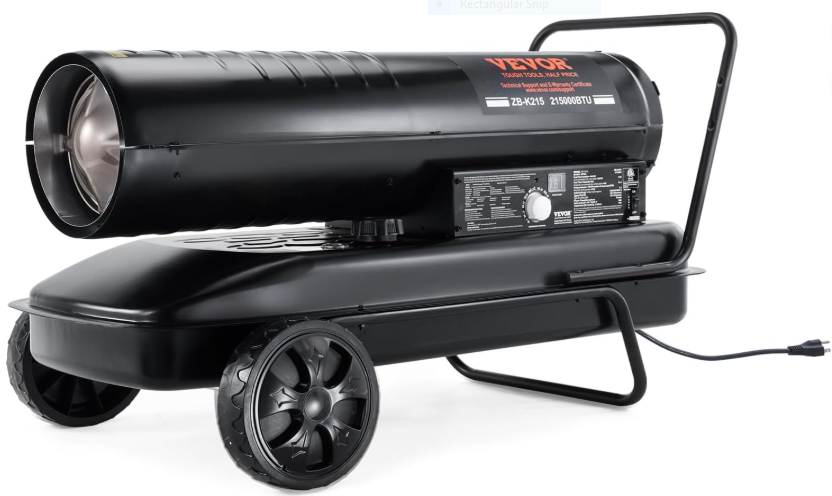
VEVOR 215,000 BTU Kerosene and Diesel Forced Air Heater
The VEVOR forced air heater delivers 215,000 BTU and accepts kerosene or diesel, one fuel type at a time. It works as a kerosene salamander heater for large work areas, and the listing says it can warm spaces up to about 44,500 cubic feet, which suits a barn, workshop, or warehouse bay.
A 13.2 gallon tank feeds the burner at roughly 1.5 gallons per hour, and the listing states a full tank can run up to 7.5 hours. Controls include a thermostat knob with room temperature display from 40 to 110 degrees Fahrenheit, automatic shutoff on low fuel, a fuel gauge, a pressure gauge, and dual fuel filters meant to reduce smoke and odor.
Overheat protection shuts the unit off at 176 degrees Fahrenheit, and a handle plus wheels help with moving it around. The listing recommends 1-K kerosene for comfortable operation.
Standout Feature: Dual fuel support for kerosene or diesel with thermostat control.
Main Advantages
- 215,000 BTU output for large open areas
- 13.2 gallon tank runs up to 7.5 hours
- Auto shutoff on low fuel and overheat protection
- Dual fuel filters aimed at reducing smoke and odor
Works Well With
- Barns, workshops, warehouses, and open construction areas
- Docks and farm buildings with fresh air
- 1-K kerosene or diesel, used one at a time
Usage Note: Use one fuel type at a time and keep the space ventilated. The listing notes the item is non-returnable and ships under hazardous materials rules.
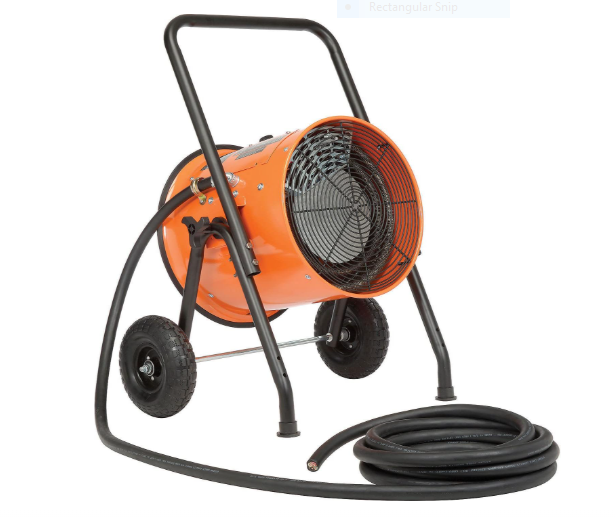
Global Industrial 102,300 BTU Portable Electric Salamander Heater
The Global Industrial portable electric salamander heater is aimed at factories, garages, workshops, and other places that need temporary, localized heat. The listing highlights 102,300 BTU, three phase power, and an adjustable thermostat, which puts it in the commercial class rather than the plug in hobby class.
The tubular steel frame includes an ergonomic handle and a hand screw for tilt adjustment, while 10 inch wheels make it easier to move across a shop floor. A 25 foot power cord is included, and the unit is designed for direct wire installation.
Electrical details deserve extra attention. The listing shows more than one rating, including 480 volt, 30,000 watt figures and 208 volt, 15 kilowatt figures, so confirm the exact voltage and breaker requirement for your option before ordering.
Standout Feature: Heavy duty tubular frame with 10 inch wheels and tilt adjustment.
Main Advantages
- 102,300 BTU rating for commercial spaces
- 25 foot power cord included
- Ergonomic handle and 10 inch wheels for moving
- Adjustable thermostat for temporary localized heat
Works Well With
- Factories, garages, and workshops
- Three phase electrical service
- Direct wire installations
Usage Note: Electrical ratings appear in more than one form in the listing. Verify voltage, phase, and breaker size with an electrician before purchase, since wiring is required.
Heatstar HS125NG Natural Gas Radiant Salamander Heater
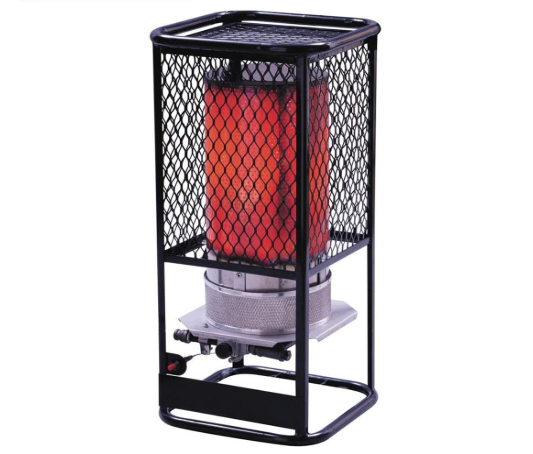
The Heatstar by Enerco HS125NG is a natural gas radiant salamander heater with a 125K rating shown in the product title. Radiant designs warm people and objects directly rather than relying on a fan to push hot air, which feels different from forced air torpedo style units.
Natural gas as a fuel changes how you plan the setup. Instead of refilling tanks, you connect to a gas supply, so this model suits spaces where a gas line is already available and the heater can stay in a fairly fixed spot.
The listing offers a short specification line rather than a full feature list, so confirm details such as connection type, clearances, and safety controls on the product page and in the manual before you buy.
Standout Feature: Radiant natural gas heat in a salamander style body.
Main Advantages
- Natural gas fuel avoids refilling portable tanks
- Radiant heat warms people and objects directly
- 125K class output shown in the product title
Works Well With
- Spaces with a natural gas supply
- Open work areas needing direct radiant warmth
- Ventilated areas as required by the manual
Usage Note: Natural gas heaters need a proper gas connection and fresh air. Follow the manufacturer manual for clearances and installation, and verify full specifications before ordering.
NORTHSKY 125,000 BTU Propane Torpedo Salamander Heater Kit
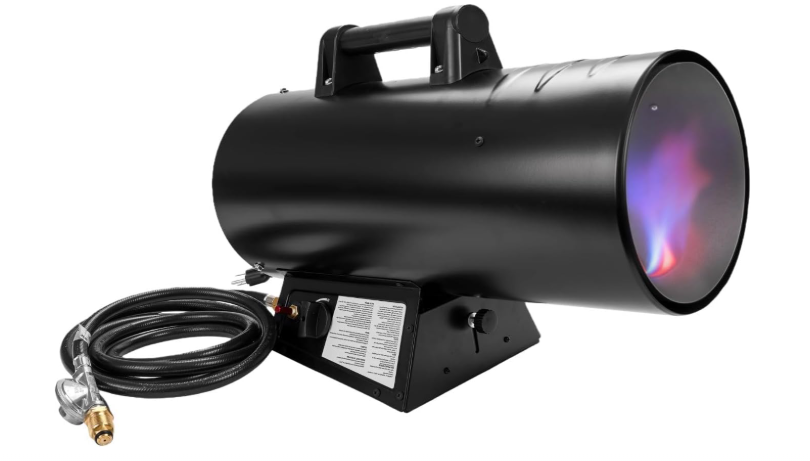
The NORTHSKY propane torpedo salamander heater is a forced air unit rated at 125,000 BTU, and the listing says it can warm spaces up to 3,700 square feet. It is aimed at garages, job sites, workshops, warehouses, and covered patios.
The kit includes a 10 foot hose and regulator, so you connect your own propane tank, since the tank is not included, and plug the fan into a 120 volt outlet. A variable heat control lets you match output to the room, and an integrated carry handle helps when moving between sites.
Listed safety features include CSA listing, overheat auto shutoff, and flame out protection. The heater is also offered in 60,000 and 85,000 BTU sizes, which gives smaller garages more flexible options.
Standout Feature: Complete propane kit with hose, regulator, and variable heat control.
Main Advantages
- 125,000 BTU forced air output
- Hose and regulator included in the kit
- Overheat auto shutoff and flame out protection
- Also offered in 60,000 and 85,000 BTU sizes
Works Well With
- Garages, workshops, warehouses, and covered patios
- Standard 120 volt outlets for the fan
- Your own propane tank, not included
Usage Note: Needs a propane tank and a 120 volt outlet. Use only in ventilated areas, keep it clear of combustibles, and follow the manual for placement and tank storage.
How a Salamander Heater Works: Forced Air Versus Radiant Heat
A salamander heater is a portable floor unit designed to put a lot of warmth into a work area quickly. The term began on construction sites and now covers everything from a small electric salamander heater to a large diesel model that looks like a jet engine on wheels. How the heat is made and delivered decides where each type belongs.
Forced Air Models
Most units use a fan to pull in room air, warm it, and blow it forward. Forced air designs raise the temperature of a garage or shop fast, and the moving air helps spread heat across a wide floor. Propane, kerosene, and diesel versions burn fuel inside the barrel, so the combustion gases usually end up in the same air you breathe. That single fact explains why ventilation rules show up in every manual.
Radiant Models
Radiant units, such as the natural gas Heatstar covered above, warm people and objects in front of them rather than moving much air. Picture standing in winter sunlight. Your skin feels warm even though the air around you is still cold. That makes radiant heat useful in drafty bays where blown air would simply get lost.
Electric Models
Electric versions use heating elements and a fan, so there is no combustion exhaust and no fuel to haul. The catch is the power supply. High output electric models often need 240 volt or three phase service, hardwiring, and a large breaker, which is why they suit shops with the right panel already in place.
Torpedo Heater Versus Salamander Heater: Naming and Real Differences
Shop around and you will notice that torpedo heater and salamander heater get used as if they meant the same thing. Construction safety guidance even groups direct fired heaters under both names, so the confusion is understandable. In practice, torpedo describes the shape, a long barrel with a fan at one end that shoots hot air out the other. Salamander is the older, broader label for a portable job site heater, and it originally pointed to coal or coke burning stoves that sat on the ground.
That history matters for safety. Federal construction rules prohibit solid fuel salamanders inside buildings and on scaffolds, so the modern products sold today run on propane, kerosene, diesel, natural gas, or electricity. When you read torpedo heater reviews, treat the name as a clue about form factor rather than a promise about fuel or noise. If you are hunting for the quietest torpedo heater, look for a published decibel figure and a description of the fan and burner design, because noise numbers are not always measured the same way. A kerosene blower style unit and a quiet electric model can sound very different on the same shop floor.
Propane, Kerosene, Diesel, and Electric Salamander Heater Fuel Differences
Fuel choice shapes everything else, from where you can place the heater to how often you refuel it. The table below keeps the main trade-offs short so you can scan it on a phone.
| Fuel | Works Best For | Watch Out For |
|---|---|---|
| Propane | Garages and job sites where a tank can sit outside and a hose and regulator kit keeps setup simple | Tank refills, hose condition, and strict ventilation |
| Kerosene | Large barns and shops that need high output from a self-contained tank | Fuel smell, clean 1-K kerosene, and exhaust in the room |
| Diesel | Sites where diesel is already on hand for equipment | Stronger odor and smoke on some units, plus fuel storage |
| Electric | Indoor shops that want fume free heat | 240 volt or three phase wiring and large breakers |
| Natural Gas | Fixed spots with a gas line nearby | Connection work and limited portability |
A quick example shows how this plays out. Say you run a woodworking shop with a 240 volt panel. Electric heat keeps exhaust and fuel storage out of the picture, even though the electrical planning takes some effort. Now picture a farm building with no power upgrade in sight. A diesel salamander heater or kerosene salamander heater can run from its own tank, and a propane model often wins on portability because swapping a tank takes minutes.
Best Salamander Heater Picks Compared by Fuel Type and Heat Output
Here is how the five heaters from earlier line up on the details that matter most. Output is shown as listed, and the electric Dr. Infrared model is converted to a rough BTU figure so you can compare it with the fuel burning units.
| Heater | Fuel and Output | Standout Detail |
|---|---|---|
| Dr. Infrared DR-PS11524 | Electric, 15,000 watts, about 51,000 BTU per hour | Odor free heat with cart and guarded intake and output |
| VEVOR Forced Air Heater | Kerosene or diesel, 215,000 BTU | 13.2 gallon tank with up to 7.5 hours of run time |
| Global Industrial Portable Electric | Electric, 102,300 BTU listed | 25 foot cord and 10 inch wheels |
| Heatstar HS125NG | Natural gas, radiant, 125K | Radiant heat from a gas supply |
| NORTHSKY Propane Torpedo | Propane, 125,000 BTU | Hose and regulator included in the kit |
Reading the table, the VEVOR unit leads on raw output, while the Dr. Infrared model is the cleanest option for enclosed shops that can handle the wiring. NORTHSKY sits in the middle as a ready to connect propane kit with a fan that only needs a 120 volt outlet. Global Industrial suits commercial spaces with three phase service, and Heatstar fits fixed spots with natural gas. No single unit is the best salamander heater for everyone, so match the fuel and power supply to your site first, then compare output.
Best Salamander Heater for Garage Use by Space Size
Garages vary more than most people expect, so think in scenarios rather than chasing a single number.
Small one car garage with a standard outlet. A propane forced air heater with a 120 volt fan is usually the simplest fit. A line offered in 60,000 and 85,000 BTU sizes, like the NORTHSKY, lets you skip output you will never use.
Large two car garage or heated shop with a 240 volt panel. An electric salamander heater keeps combustion exhaust out of the room and removes fuel storage from the plan. The Dr. Infrared model fits when the 80 amp breaker and hardwiring are already arranged.
Barn or detached workshop with no power upgrade. A kerosene or diesel unit such as the VEVOR carries its own tank, and 215,000 BTU can handle a big open volume. Keep a door or vent cracked for fresh air.
Attached garage. Treat this one carefully. Exhaust from a fuel burning heater can drift toward living space, so many owners lean toward electric heat here, or keep the connecting door shut and a carbon monoxide alarm active.
Whatever the layout, oversizing is almost as annoying as undersizing. An oversized unit overheats the room fast and cycles off, while an undersized one runs nonstop without catching up. Check the listing’s coverage claim, then compare it with your ceiling height and insulation.
- Learn More: Best Barn Heaters
Electric Salamander Heater Voltage, Wiring, and Breaker Requirements
Electric models skip the fuel and fumes, but they ask more of your building. Run through this checklist before you order.
- Voltage: Confirm whether the unit needs 208, 240, or 480 volt service. A standard 120 volt outlet cannot run a heater in the 15,000 watt class.
- Phase: Single phase and three phase are not interchangeable. The Dr. Infrared model is listed as 240 volt single phase, while the Global Industrial unit is three phase.
- Breaker size: A 15,000 watt heater at 240 volts draws roughly 62 amps, which explains why the Dr. Infrared listing calls for an 80 amp breaker. The Global Industrial listing shows 41.7 amps with a 50 amp breaker for its 208 volt, 15 kilowatt option.
- Variations: That same listing also shows a 480 volt, 30,000 watt option, so always confirm which version you are ordering.
- Hardwiring: Many of these heaters are direct wire rather than plug in. Plan for a licensed electrician to make the connection.
- Cord length: The Global Industrial listing includes a 25 foot cord, so measure the distance from your panel to where the heater will sit.
- Thermostat range: Check the adjustable range, such as 37 to 104 degrees Fahrenheit on the Dr. Infrared model, so the heater cycles the way your space needs.
- Mobility: Look for a cart or wheels if you plan to move the heater between work areas.
Skipping this list is the fastest way to end up with the right heater for the wrong building.
Kerosene and Diesel Salamander Heaters: Fuel Choice, Smell, and Smoke
Kerosene
Kerosene is the usual pick when you want a cleaner burn from a liquid fuel. The VEVOR listing recommends 1-K kerosene for comfortable operation, which tells you fuel grade matters. Poor quality fuel can add to odor and smoke, so buy from a source you trust.
Diesel
Diesel works in many forced air units, and diesel salamander heaters are common on farms and job sites because the fuel is often already there for equipment. The trade-off can be a stronger smell. If you want to run diesel in a torpedo heater, confirm the manual allows it, because not every model does. The VEVOR heater accepts either fuel, but only one type at a time, so never mix them in the same tank.
Filters, Gauges, and Fuel Handling
Features listed on the VEVOR heater, including dual fuel filters, a fuel gauge, a pressure gauge, and automatic shutoff on low fuel, help you keep an eye on a liquid fuel system. Store fuel in approved containers away from the heater, and never refill while the unit is hot or running. A kerosene blower style heater can warm a large open area quickly, but it still needs fresh air coming in, and the exhaust smell will tell you when airflow is too low.
Setting Up a Propane Salamander Heater With Hose and Regulator
A propane kit like the NORTHSKY arrives with a hose and regulator, which makes setup quick. Quick is not the same as careless, so work through the steps in order.
Pick a level spot. Federal rules call for heaters to sit level, and they call for at least 10 feet of distance from combustible tarps. Clear away sawdust, cardboard, and rags.
Position the tank. Set the propane tank upright and secure it so it cannot tip. Outdoors is best, and a 10 foot hose lets the heater sit just inside the door.
Inspect the hose and regulator. Look for cracks, kinks, or worn fittings. Replace anything damaged before going further.
Connect and leak check. Tighten the fittings, open the tank valve slowly, and brush soapy water over the connections. Bubbles mean a leak, so close the valve and fix it first.
Plug in the fan. The fan runs from a 120 volt outlet. Keep the cord out of walkways.
Start the heater. Follow the manual’s startup order, then use the variable heat control to match the room.
Open a vent. Crack a door or window so fresh air can enter while the heater runs.
Shut down properly. Close the tank valve when you finish and let the unit cool before moving it.
Ventilation and Carbon Monoxide Precautions for Portable Salamander Heaters
Fuel burning salamanders use room air for combustion and release exhaust into that same room, so ventilation is the most important habit you can build. The federal construction safety rules for temporary heating devices call for enough fresh air to protect workers, with mechanical ventilation when natural airflow falls short. A simple approach is to open one vent or door near the heater to supply combustion air and another farther away to create cross ventilation. You will burn slightly more fuel, but the air stays safer.
Carbon monoxide gives no warning. It is odorless and colorless, and its early signs are flu-like symptoms such as headache, dizziness, weakness, and nausea. If several people in a shop feel that way after a heater starts, shut it down and move everyone to fresh air. Place a working carbon monoxide alarm in or near the space, and never sleep in a room with a fuel-burning heater running. Electric models avoid combustion exhaust, yet they still need clearance from anything that can burn. Keep the owner’s manual handy, because its ventilation and spacing rules override general advice whenever they differ.
Common Salamander Heater Mistakes and Limitations to Avoid
Most problems come from small habits rather than bad products. Keep this quick list in mind.
- Sealing the space too tightly. Closing every door and window turns a fuel-burning heater into an air quality problem.
- Parking it near tarps, cardboard, or sawdust. Federal rules call for at least 10 feet from combustible coverings. Treat that as a minimum.
- Using the wrong fuel. Stick to the fuels listed in the manual, and never mix kerosene and diesel in one tank.
- Setting it on a slope. Heaters are meant to sit level during use.
- Leaving it running unattended. Shut it down when the space is empty, especially overnight.
- Treating it as home heating. Construction heater manuals describe these units as temporary heat for buildings under construction, not for living space.
- Expecting one unit to heat everything. A single heater will not fix a huge, uninsulated building, so match output to the space and accept its limits.
- Skipping electrical planning. Electric models need the right voltage, phase, and breaker before they arrive.
FAQs
What Size Salamander Heater Do I Need for a Two Car Garage?
There is no single number, because insulation, ceiling height, and your winter lows all change the answer. Start with the manufacturer’s coverage claim, then size down if the space is well insulated. Some lines, including the NORTHSKY propane heater, come in 60,000, 85,000, and 125,000 BTU versions, which gives a standard garage room to choose. A heater with a thermostat or variable heat control usually beats one that runs flat out and still struggles. When in doubt, ask the maker for a sizing chart.
Can I Run a Propane Salamander Heater in a Closed Garage?
A closed garage is the wrong place for any fuel burning heater. Combustion uses up room air and releases exhaust into it, so oxygen drops and carbon monoxide can build. Crack a door and a vent on the opposite side for cross ventilation, keep a working carbon monoxide alarm nearby, and follow the manual’s clearance rules. If you cannot provide fresh air, an electric salamander heater is the safer match for a sealed space, as long as the wiring is already in place.
Is a Kerosene Salamander Heater Better Than a Diesel Model?
Neither wins across the board. Kerosene is often preferred for a cleaner, less smelly burn, and the VEVOR listing recommends 1-K kerosene for comfortable operation. Diesel is easier to find on farms and job sites, and a unit like that VEVOR heater accepts either fuel, one at a time. Check the manual for approved fuels before filling, because some heaters are built for only one type. Fuel storage and local rules may settle the question before performance does.
Do Electric Salamander Heaters Need Special Wiring?
Most high output models do. The Dr. Infrared heater is listed as hardwired with an 80 amp breaker, and the Global Industrial unit is three phase with a 50 amp breaker on its 208 volt option. The exception is a small electric salamander heater that plugs into a 120 volt outlet, which produces far less heat. Before ordering, have an electrician check panel capacity, wire size, and disconnect requirements, and confirm local code.
How Do I Store and Maintain a Salamander Heater Between Seasons?
Let the unit cool completely, wipe off dust, and inspect the hose, regulator, cord, and guards for wear. On liquid fuel models, check the fuel filters on the schedule in the manual, since the VEVOR listing includes dual filters, and avoid leaving old fuel in the tank if the manual advises draining it. Store propane tanks upright and outdoors, never inside the building. Keep the heater covered, dry, and away from solvents so it is ready for the first cold snap.
Choosing the Right Heater Before Winter Work Starts
The best salamander heater is the one that matches your fuel access, power supply, and ventilation, not the one with the biggest BTU number. Electric models like the Dr. Infrared suit enclosed shops with proper wiring, while propane, kerosene, and diesel units cover wide open spaces where fresh air can come in. Use the comparison table as a starting point, run through the electrical checklist if you lean electric, and keep carbon monoxide safety at the center of every setup decision. Product details here come from the listings, so confirm current specifications before you order, and keep the owner’s manual close for clearances and fuel rules.
Discover New Articles: See Our Latest Updates
