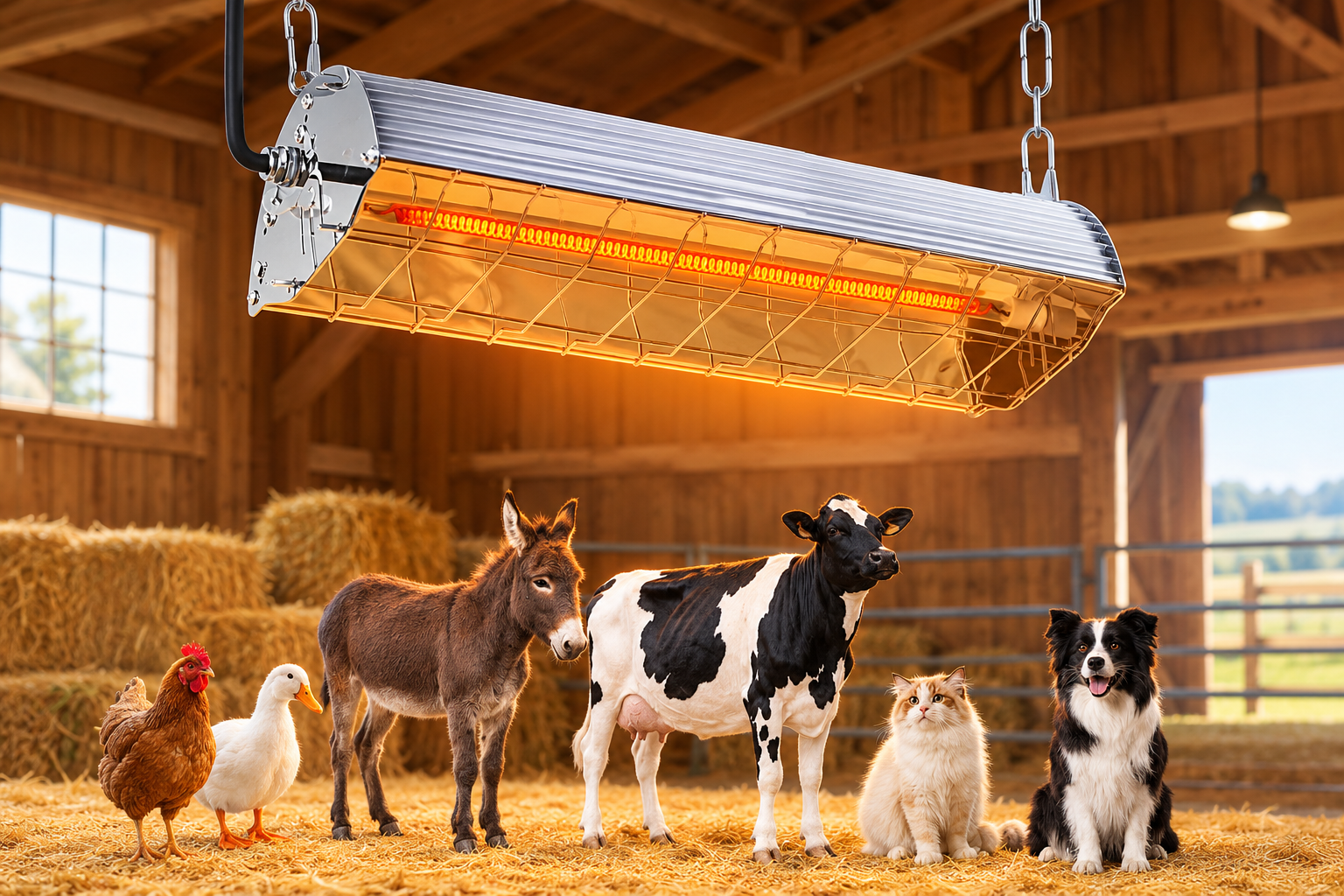
6 Best Barn Heaters for Safer Winter Warmth Around Animals

Disclosure: As an Amazon Associate, I earn from qualifying purchases. Learn more
Winter finds every gap in a barn wall before it finds you. For most large barns and shops, the Mr. Heater Ceiling Unit Heater is the cleanest quick decision, since it hangs overhead and keeps the burner away from hay, bedding, and animals.
Picture yourself at dawn in a 24 by 30 pole barn, breath fogging, chores waiting. Before you buy, three things decide whether a heater helps or hurts: fire risk around hay and dust, correct sizing for your space, and animal and air safety when fuel is burning nearby.
Below, you will find six options sorted by need, followed by sizing steps, safety checks, and placement advice for horse stalls, coops, and open shop bays, so the heater matches how you really use the building.
The Mr. Heater Ceiling Unit Heater frees floor space in big shops, while the Dr. Infrared Salamander Heater gives fuel-free electric heat for barns with 240-volt power.
For Large Shops
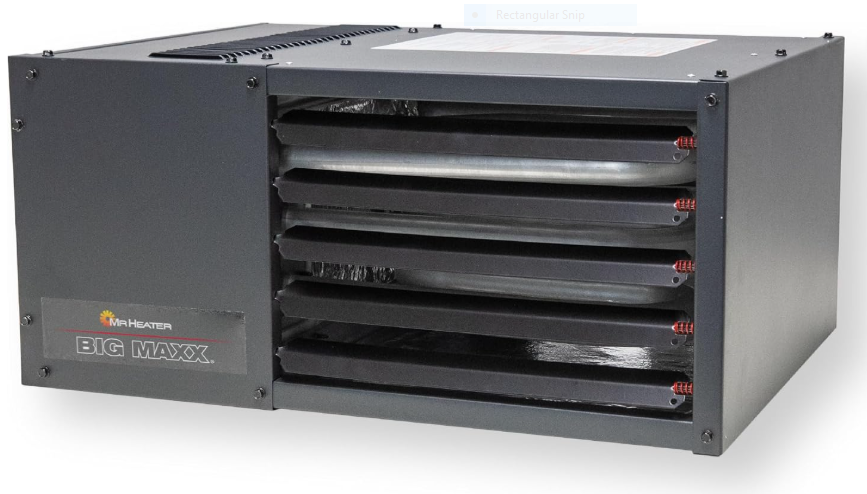
Mr. Heater Ceiling Unit Heater
- Heats up to 1,667 sq ft
- Propane or natural gas
- Flame sensor gas shut-off
For Electric Setups
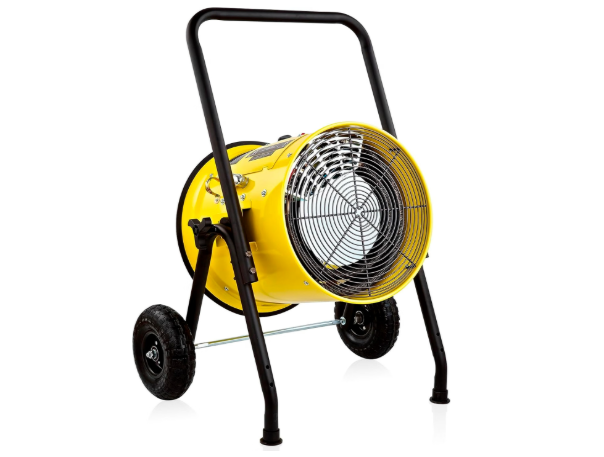
Dr. Infrared Salamander Heater
- 10,000 watts at 240 volts
- Thermostat from 37 to 104°F
- Guards on intake and output
Why a Dedicated Barn Heater Beats a Household Space Heater
A small household heater is built for a sealed bedroom, not a tall, drafty building full of hay. In a barn, it struggles to make a difference and adds fire risk without much reward.
Barn and shop heaters are designed for larger volumes of air, rougher conditions, and longer run times. Many include flame sensors, high temperature shut-offs, or heavy steel guards that household units skip.
The right heater keeps water lines, tools, and your hands working on cold mornings. It also gives you a warm corner for chores, repairs, or young animals that need a little help.
That said, more power brings more responsibility. Every heater in a barn needs clear space, clean surroundings, and a plan for fuel or wiring.
How We Selected These Barn Heaters
Every heater here had to name barns as an intended use on its own product page. We left out models that only mentioned garages or homes, even if they looked similar.
We then favored recognized brands with steady demand and consistent owner feedback, and checked each listing for safety features such as flame sensors, tip-over shut-offs, and overheat protection.
Finally, we mixed fuel types and formats so you can match a heater to your power, ventilation, and space. The list covers a ceiling-mounted gas unit, a 240-volt electric salamander, and four propane options from radiant to forced air.
Barn Heater Reviews for Shops, Stalls, and Pole Barns
1. Mr. Heater Ceiling Unit Heater for Barns and Shops
Mounted overhead, this forced air unit heater turns garages, barns, and workshops into usable winter spaces. Its 50,000 BTUs heat up to 1,667 square feet, roughly a three-car garage, on propane or natural gas.
The low-profile body pairs with standard 24-volt or Wi-Fi thermostats, sold separately. A high temperature shut-off switch and flame sensor gas shut-off add built-in protection, and keeping the burner up high keeps it clear of floor clutter.
In-Use Impressions: It suits barns used as shops, where you want steady heat without giving up floor space to a portable unit.
Notable Features:
- Ceiling mounting frees floor space
- Thermostat compatible for steady control
Everyday Benefits:
- Large heated area from one unit
- Burner stays out of animal reach
- Runs on propane or natural gas
Pairs Nicely With:
- Standard 24-volt thermostats
- Wi-Fi enabled thermostats
- Barns, garages, and workshops
Worth Checking: It needs at least a 10-foot ceiling and 8 feet from heater base to floor. The thermostat is sold separately, and color may vary.
2. Dr. Infrared Salamander Heater for Fuel-Free Barn Warmth
If you would rather not burn fuel near animals, this electric salamander is the clearest alternative. It delivers 10,000 watts of fan-forced heat on 240-volt, single phase power, with no combustion fumes or odor.
A heavy-duty steel frame with guards on both intake and output protects the elements, and the adjustable thermostat runs from 37 to 104°F. It rolls on an included cart, so you can move it between work areas.
In-Use Impressions: It fits barns that already have heavy electrical service and owners who want warmth without propane tanks.
Notable Features:
- Safety guards on both ends
- Thermostat range from 37 to 104°F
Everyday Benefits:
- No fuel storage or refilling
- No combustion fumes in the barn
- Wheeled cart for easy moves
Pairs Nicely With:
- 240-volt single phase circuits
- A 55-amp circuit breaker
- The maker’s certified power cord
Worth Checking: Hardwiring is required, along with a 55-amp breaker. Plan on a licensed electrician, and keep it clear of hay and bedding.
3. Remington Forced Air Propane Heater for Portable Barn Heat
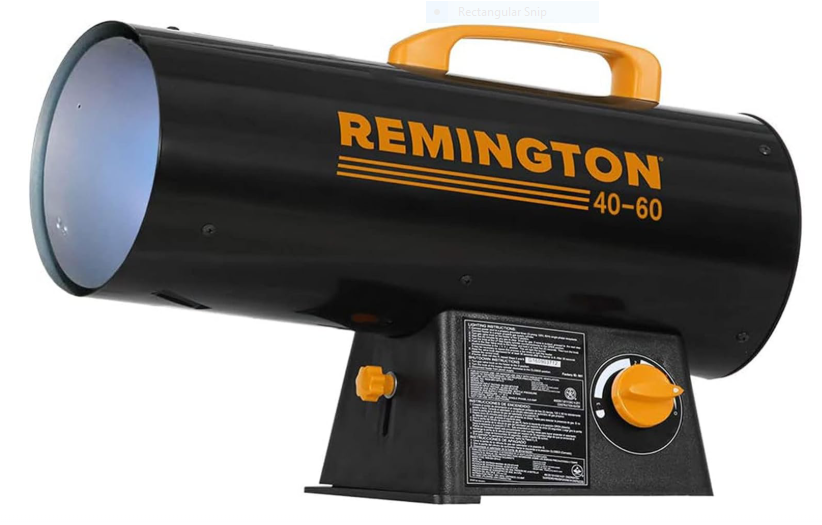
Built for work bays that move around, this portable propane heater puts out 60,000 BTUs and heats up to 1,500 square feet. The listing names garages, barns, and workshops among its uses.
Electronic ignition gives a quick start, and variable heat settings let you turn it down once the space warms. Safety features include a high temperature limit shut-off, flame-out fuel cut, and thermocouple, backed by a 1-year limited warranty.
In-Use Impressions: It works best for short, supervised sessions while you repair equipment or do chores in a ventilated bay.
Notable Features:
- Electronic ignition
- Variable heat settings
Everyday Benefits:
- Fast warmup for large bays
- Easy to carry between areas
- Flame-out fuel cut protection
Pairs Nicely With:
- Liquid propane cylinders
- Well ventilated barns and shops
- Garages and job sites
Worth Checking: The maker lists it for outdoor or well ventilated spaces only. Never run it unattended or near sleeping animals, hay, or bedding.
4. GASLAND Propane Radiant Heater With Low Oxygen Shut-Off
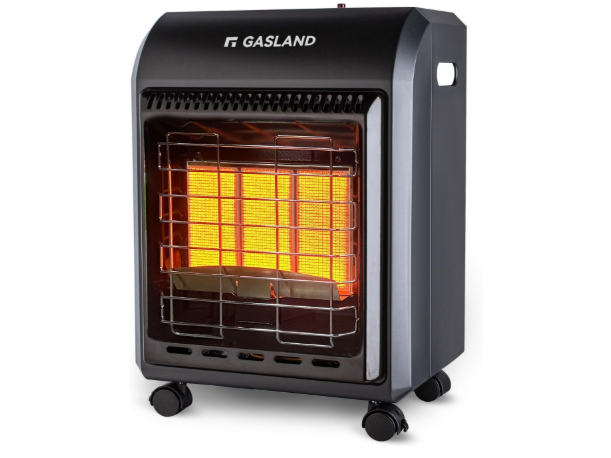
Quiet warmth for a smaller corner is where this cabinet heater fits. It delivers up to 18,000 BTUs across three settings and warms spaces up to 450 square feet, with no electricity required.
It carries CSA certification and shuts off automatically if knocked over or if oxygen levels drop too low. Built-in wheels and a carry handle make it easy to move, and it runs on a 20-pound propane cylinder.
In-Use Impressions: It works as a radiant heater for barn workrooms and tack areas, since the listing names farming uses such as barns.
Notable Features:
- Tip-over and low oxygen shut-off
- Three heat settings
Everyday Benefits:
- Works during power outages
- No cords across the floor
- Quiet radiant warmth
Pairs Nicely With:
- 20-pound liquid propane cylinders
- Ventilated workshops and utility rooms
- Spaces up to 450 square feet
Worth Checking: The listing describes use in ventilated spaces. Keep it on a flat floor, away from hay, and never leave it running unattended.
5. Mr. Heater Convection Heater for Large Open Barns
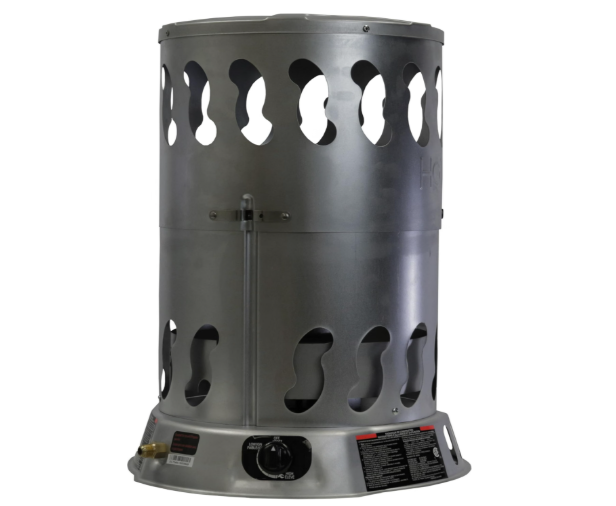
A cylindrical chamber that spreads heat 360 degrees sets this propane heater apart from directional blowers. You can stand anywhere around it and feel the warmth.
It switches between 80,000 and 30,000 BTU settings and heats up to 2,000 square feet. A thermo-electric safety valve shuts off gas if the flame goes out, and the maker names well ventilated barns, warehouses, and workshops as fitting spaces.
In-Use Impressions: It suits big, open work areas where several people gather around one heat source during cold jobs.
Notable Features:
- 360-degree heat distribution
- Thermo-electric safety valve
Everyday Benefits:
- Covers very large spaces
- Low setting saves fuel
- No fan noise from a blower
Pairs Nicely With:
- Liquid propane supply
- Well ventilated barns and warehouses
- Construction and repair work
Worth Checking: This is a high-output open-flame heater for well ventilated spaces only. Keep animals, hay, and fuel cans well away, and stay present while it runs.
6. BILT HARD Torpedo Heater for Fast Barn Warmup
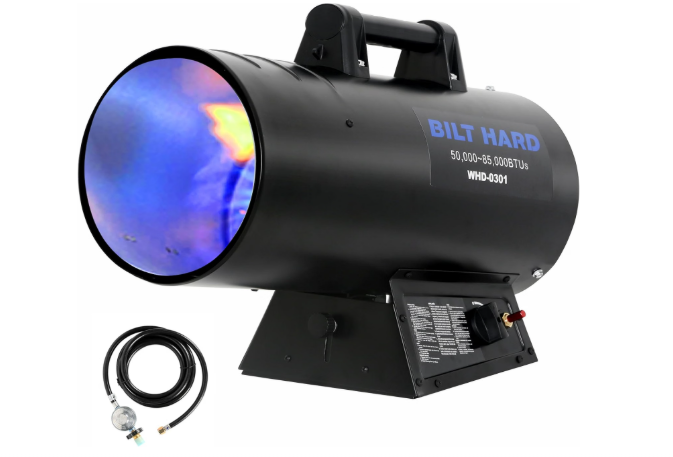
When you need a cold building warm quickly, a torpedo heater does the job. This one adjusts from 50,000 to 85,000 BTUs and heats up to 2,125 square feet, with an adjustable heat angle.
The maker lists runtime at about 8 hours on low and 5.5 hours on high from a 20-pound propane tank, not included. It is CSA listed, uses continuous electronic ignition on a 120-volt outlet, and includes overheat auto shut-off.
In-Use Impressions: It fits short, supervised warmups in outbuildings and farm work areas rather than all-day heating.
Notable Features:
- Adjustable output and tilt head
- Overheat auto shut-off
Everyday Benefits:
- Very fast warmup
- Broad coverage from one unit
- Quieter burner design
Pairs Nicely With:
- 20-pound or larger propane tanks
- Standard 120-volt outlets
- Ventilated barns and job sites
Worth Checking: The maker recommends a ventilated environment. Forced air units throw hot air forward, so aim it away from hay, bedding, and animals.
Comparing Barn Heater Types by Fuel and Output
Before you compare brands, sort heaters by how they make and deliver warmth. That one step prevents most poor matches.
| Heater Type | Power Source | Best Fit |
|---|---|---|
| Ceiling unit heater | Propane or natural gas | Shops with tall ceilings |
| Electric salamander | 240-volt electric | Barns with heavy wiring |
| Forced air or torpedo | Propane | Fast warmups, ventilated bays |
| Convection tower | Propane | Large open work areas |
| Radiant cabinet | Propane cylinder | Small rooms and corners |
Ceiling units free floor space and keep the burner up high, which helps in busy barns. If you are weighing one, this look at forced air unit heaters covers when they make sense and when they do not.
Portable propane units move heat fast but need fresh air and close supervision. Electric heat removes combustion from the equation, though it depends on serious wiring.
Sizing a Heater for Your Pole Barn
Sizing takes ten minutes and saves you from buying twice.
- Measure the floor area. Multiply length by width. A 24 by 30 barn gives you 720 square feet.
- Note the ceiling height. Tall trusses let warm air rise away from you, and ceiling units list minimum mounting heights.
- Judge the insulation. A sealed, insulated barn holds heat far better than one with gaps under the doors.
- Check listed coverage. Compare your square footage against each maker’s stated heating area.
- Add a margin. Open doors, wind, and long freezes push your needs higher, so adjustable output helps.
- Convert electric watts. One watt equals about 3.4 BTU per hour, so 10,000 watts is roughly 34,000 BTU.
Going by the listed specifications, the Mr. Heater convection model covers up to 2,000 square feet on high while the GASLAND radiant unit covers about 450, which shows how wide the range runs.
Treat coverage claims as a starting point. Real pole barns vary with drafts, height, and how often the big door opens.
What Is the Safest Heater for Barn Use?
There is no heater that is safe by itself. Penn State Extension notes that, according to the National Fire Protection Association, heating equipment led barn fire causes from 2006 to 2010, with January as the peak month.
A safe barn heater setup combines the right equipment with good habits. Use this checklist when you compare models.
- Tip-over shut-off: The heater should cut off on its own if it falls.
- Overheat protection: An automatic cutoff should trip when temperatures climb too high.
- Flame sensor or thermocouple: Gas units should stop fuel flow if the flame goes out.
- Third-party listing: CSA or similar certification shows testing to a recognized standard.
- Guards and mounting: Animals should never be able to touch hot surfaces.
- Clean surroundings: Remove cobwebs, dust, and loose hay before every cold season.
Electric heat avoids combustion fumes entirely, which is why many owners treat a properly wired electric unit as the safest heater for barn spaces with animals inside.
Propane Heat, Ventilation, and Carbon Monoxide Risks
Propane heaters burn fuel and use oxygen. In a closed barn, that can lead to carbon monoxide buildup, a gas you cannot see or smell.
The U.S. Consumer Product Safety Commission warns that people die from carbon monoxide poisoning from portable heaters used in enclosed spaces. Early symptoms include headache, dizziness, and nausea.
- Provide fresh air exactly as each maker directs.
- Keep spare cylinders outside, upright and away from the barn.
- Inspect hoses and regulators each season and replace anything cracked.
- Add a carbon monoxide alarm where people spend time.
- Never run a portable fuel heater unattended or overnight.
If you are still choosing a fuel, our comparison of diesel versus propane heat explains the trade-offs in running cost and fumes.
Electric Heaters, 240 Volt Circuits, and Wiring Limits
Electric heat is clean at the point of use, but it puts a heavy load on wiring. The Dr. Infrared salamander, for example, requires hardwiring and a 55-amp breaker on a 240-volt circuit.
Smaller 120-volt heaters top out around 1,500 watts, which is only about 5,100 BTU. That is enough for a tack room or pump house, not an open barn.
Barn dust and moisture are tough on plugs and cords. Extension specialists generally advise against using extension cords in barns, so plan permanent outlets or hardwired circuits with a licensed electrician.
For a smaller workspace, an electric shop heater may be a better fit than a large salamander.
Keeping Horse Stalls Warm Without Raising Fire Risk
The stall aisle is the riskiest place for a heater. Hay dust floats, bedding burns fast, and horses are curious enough to knock or chew things.
Many equine extension specialists advise against portable heaters in horse housing and recommend only code-approved, permanently installed electric heaters. If you want a heater for horse stall areas, talk to an electrician about a fixed unit mounted well away from hay.
Many horses stay comfortable with dry shelter, blankets when needed, and their winter coat. The heater often serves people, water lines, and equipment more than the horses themselves.
Supplemental Heat for Poultry and Young Livestock
Chicks, ducklings, lambs, and young goats lose heat faster than adult animals. A sheltered, guarded warm corner often helps them more than heating the whole building.
Barn heaters for animals should never sit where animals can touch them, knock them over, or chew cords. Keep bedding and feathers clear, and check the area daily.
For small flocks, a dedicated coop heater designed for animal spaces is usually a safer match than a large shop heater.
Adult livestock with dry bedding and a good windbreak often need less supplemental heat than you might expect.
Radiant and Infrared Heat Versus Forced Air in Open Barns
Radiant and infrared heaters warm people and objects directly in front of them, much like sunlight. They feel comfortable at a workbench or milking area even when the air stays cool.
Forced air and convection heaters warm the air itself and move it around. They suit tall, open barns where you need to raise the overall temperature.
Dairy and horse barns sometimes use permanently mounted infrared fixtures for spot warmth. Portable radiant cabinet heaters can do a similar job in a tack room, as long as clearances and ventilation are respected.
Common Barn Heating Mistakes That Start Fires
- Storing hay near the heater: Bales and loose straw need generous clearance.
- Using household cords: Thin extension cords overheat under heater loads.
- Ignoring dust buildup: Cobwebs and dust on heaters can ignite.
- Leaving heaters unattended: Portable units should be off when you leave.
- Blocking airflow: Snow, hay, or tarps over vents raise fire and fume risks.
- Refueling a hot heater: Always shut off and let it cool before changing cylinders.
Seasonal Cleaning and Inspection for Barn Heaters
Penn State Extension recommends cleaning and inspecting heating equipment every year. Do it before the first cold snap, not in the middle of a freeze.
Blow or brush dust from heater housings, fans, and nearby wiring. Check cords, plugs, hoses, and regulators for cracks, scorch marks, or loose fittings.
Have a qualified technician inspect fixed gas heaters and their vents. Test shut-off features where the manual allows, and replace any damaged part before use.
Matching Heater Picks to Space, Fuel, and Power
This quick reference lines up the six heaters so you can match coverage and power to your barn. Coverage figures come from the listings.
| Heater | Power | Listed Coverage |
|---|---|---|
| Mr. Heater Ceiling Unit Heater | Propane or natural gas | Up to 1,667 sq ft |
| Dr. Infrared Salamander Heater | 240-volt electric | 10,000 watts |
| Remington Forced Air Propane Heater | Propane | Up to 1,500 sq ft |
| GASLAND Propane Radiant Heater | Propane cylinder | Up to 450 sq ft |
| Mr. Heater Convection Heater | Propane | Up to 2,000 sq ft |
| BILT HARD Torpedo Heater | Propane | Up to 2,125 sq ft |
Pick by space first, then fuel, then mounting. When two models fit, choose the one whose clearances and wiring match what your barn already has.
Frequently Asked Questions About Heating a Barn
Is it safe to leave a barn heater running overnight?
Generally, no. Portable heaters, especially fuel-burning ones, should not run unattended or while you sleep, and extension programs advise against leaving them on in barns. Fire can spread through hay and dust within minutes, and propane units add carbon monoxide risk. If animals truly need overnight warmth, focus on dry bedding, windbreaks, and a fixed, code-approved electric installation inspected by a licensed electrician, rather than relying on a portable unit through the night.
How long does a 20-pound propane tank last in a barn heater?
It depends on the heater’s output and setting. As one example, the BILT HARD torpedo heater lists about 8 hours on its low setting and 5.5 hours on high from a 20-pound tank. Larger heaters running on high will empty a tank faster, while lower settings stretch it. Keep a spare cylinder stored safely outside, and never swap cylinders while the heater is running or still hot.
Do barn heaters keep water buckets from freezing?
Rarely in an open barn. Keeping a whole aisle above freezing around the clock takes far more heat than most portable units provide, and it raises fire and fuel costs. Heated buckets or tank heaters, installed and used per the maker’s directions, are usually more practical. A small electric heater can protect a closed pump house or water line room, but it will not reliably keep open stalls ice-free.
Can one heater warm a tack room and the main barn?
Usually not well. A forced air or convection heater can move warmth through an open barn, but a closed tack room behind a door may stay cold unless the door stays open. A small electric or radiant heater inside the room is often a better match and uses less energy. Keep hay and bedding out of the tack room, and heat the main barn only where you actually work.
Can I use a propane torpedo heater with animals inside the barn?
It is risky. Torpedo and forced air propane heaters push very hot air and burn fuel, so makers recommend ventilated spaces. Animals can knock over units, crowd too close, or be exposed to combustion fumes in a closed building. If you use one, keep it supervised, aimed away from animals and bedding, and limited to short warmups. For spaces where animals stay for long periods, a properly wired electric option is usually safer.
Do I need a permit to install a ceiling-mounted gas heater?
Requirements vary by location, so check with your local building department before installing a fixed gas heater. Many areas require permits or licensed installers for gas lines, venting, and connections. A professional install also helps confirm correct clearances, such as the 10-foot ceiling and 8-foot floor clearance the Mr. Heater ceiling unit lists. It is also wise to tell your insurance provider about any permanent heating added to a barn.
Choosing Warmth That Fits Your Barn and Animals
A barn heater suits owners who need warm work areas, protected equipment, or a safe corner for young animals. It is less suited to keeping an entire drafty barn warm all day, and no heater replaces good housekeeping around hay and dust.
Use a simple rule. For large shops with tall ceilings, choose an overhead gas unit. For spaces where animals stay, favor properly wired electric heat. Save portable propane heaters for short, supervised, well ventilated jobs.
For a large barn or shop with enough headroom, the Mr. Heater Ceiling Unit Heater is a dependable place to start.
