
Best Alcohol Stove Fuel Options Worth Using (Updated)

Disclosure: As an Amazon Associate, I earn from qualifying purchases. Learn more
A small blue flame can carry a whole dinner, but only when the liquid feeding it is right. For most cooks, Klean-Strip is the easy everyday pick, MAXTITE Virgin suits purity fans, and SmartFuel fits plant-based ethanol burners. Three cans can all say denatured alcohol, yet one burns clean while another blackens your pot.
Finding the best alcohol stove fuel comes down to a few plain checks. Look at the ethanol content, the water content, and how your stove vaporizes fuel. Get those right and you boil faster and scrub less.
If you are still weighing the stove itself, it helps to compare alcohol versus canister setups first. Below are the fuels, the bottles to carry them in, and six picks worth a look.
Klean-Strip burns hot and smoke-free for daily camp meals, while MAXTITE Virgin brings a high-proof denatured blend for cooks who care about purity.
For Everyday Camp Meals
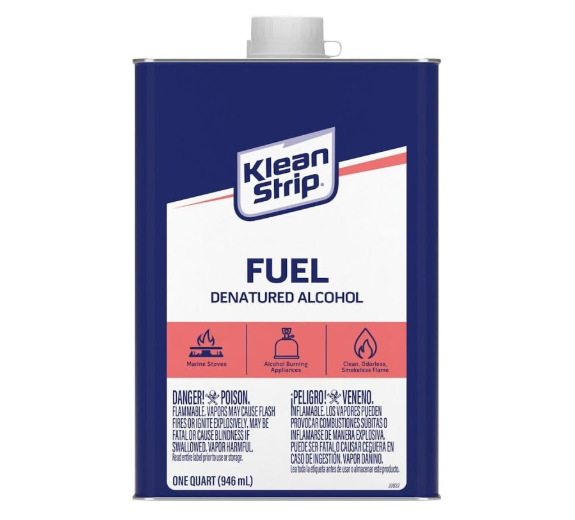
Klean-Strip Denatured Alcohol
- Hot, clean flame listed
- Odorless and smokeless burn
- One-quart metal can
For Purity Seekers
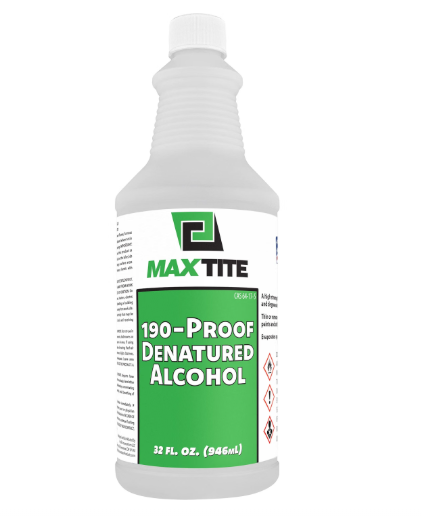
MAXTITE Virgin Denatured Alcohol
- 190 proof denatured alcohol
- Made in the USA
- Doubles as glass cleaner
Which Fuels Actually Work in an Alcohol Stove?
An alcohol stove does not burn the liquid itself. It burns the vapor rising off the fuel, so anything you pour in has to evaporate easily and burn cleanly once it turns to gas.
That narrows the field fast. Denatured alcohol, methanol, bioethanol, and high-proof grain alcohol all work. Each one trades heat, soot, cost, and toxicity a little differently.
Some liquids light but behave badly, and a few are flatly dangerous in an open burner. Before you experiment, read up on the fuels worth skipping entirely so a cheap shortcut does not ruin a trip.
So what fuel for alcohol stove use should you start with? For most people it is a can of denatured alcohol with a high ethanol share, because it is easy to find and burns hot with little residue.
Denatured Alcohol Stove Fuel and What the Label Means
If you have ever wondered what denatured alcohol is, the short answer is ethanol with additives that make it unfit to drink. Methanol is the most common additive, though some brands add isopropyl alcohol or other solvents.
The catch is that the mix varies a lot from can to can. One product may be mostly ethanol, while another may be more than half methanol and still carry the same name on the front.
Check the safety data sheet when the label is vague. Section 3 usually lists the ingredients and their rough percentages, which tells you how hot and how clean the fuel is likely to burn.
Words such as marine stove fuel, clean burning, or for alcohol appliances on the can are a good sign. A can sold only as a paint thinner or shellac solvent can still burn well, but the label will not promise it.
Gas Line Antifreeze as Alcohol Stove Fuel Explained
Many hikers swear by the yellow-bottle style of gas-line antifreeze sold for cars. That version is almost entirely methanol, which is why it lights easily and leaves very little soot on your pot.
The red-bottle version is a different story. It is usually isopropyl alcohol, which burns with a smoky yellow flame and coats cookware in black film. Always confirm the ingredient is methanol before you pour it into a stove.
Methanol carries a real health risk. It can harm you if swallowed, inhaled in high amounts, or absorbed through skin, and the methanol emergency response card notes that symptoms can be delayed for hours. Pour it outdoors, keep it off your hands, and never store it in a drink bottle.
Ethanol Versus Methanol Fuel Comparison for Stove Cooks
This quick alcohol stove fuel comparison shows how the three common alcohols behave once lit.
| Trait | Ethanol Based | Methanol Based |
|---|---|---|
| Heat per ounce | Higher | Lower |
| Soot on pots | Light, varies by blend | Very little |
| Cold-weather lighting | Slower | Easier |
| Toxicity | Lower, but denaturants are toxic | High |
| Fuel used per boil | Less | More |
Ethanol packs more energy into each ounce, so you usually burn less of it for the same pot of water. That matters when every ounce in your pack counts.
Methanol evaporates more readily, which is why it catches faster on a frosty morning. The price you pay is higher toxicity and a slightly bigger fuel load.
Isopropyl alcohol sits well behind both. It burns with a yellow, smoky flame and is a poor fit for most stoves.
Rubbing Alcohol and Other Fuels That Cause Trouble
A few liquids show up in trail advice again and again, and most of them disappoint. Here is what tends to go wrong.
- 70 or 91 percent rubbing alcohol holds a lot of water and burns sooty, so boils drag on and pots turn black.
- Regular drinking liquor around 80 proof is too watery to burn steadily in most stoves.
- Gasoline, white gas, or kerosene can flare violently in an open alcohol burner and should never go in one.
- Hand sanitizer gel contains thickeners and water that clog jets and leave residue.
- Mixing fuels in the stove makes burn behavior hard to predict, so finish one fuel before switching.
If a fuel leaves heavy soot or sputters, stop using it. A clean blue flame is your best sign that the stove and fuel suit each other.
Purity Proof and Water Content Change Burn Quality
Proof is simply twice the alcohol percentage. A 190 proof product is about 95 percent alcohol, and 200 proof is close to pure.
Water does not burn. Every bit of it soaks up heat as it boils off, so wetter fuel means longer boil times and more fuel used per meal.
Alcohol also pulls moisture from the air when a bottle sits open. Keep caps tight between uses, and do not leave fuel sitting in the stove overnight in damp weather.
For most trips, any denatured fuel with a high ethanol share works fine. High-purity bottles shine when you want the cleanest burn and the most heat from a small load.
Cold Weather Tricks for Lighting an Alcohol Burner
Alcohol burner fuel gets sluggish as temperatures drop, because less vapor rises from cold liquid. A stove that lights instantly in July may need coaxing in November.
- Warm the fuel bottle in an inside jacket pocket for a while before cooking.
- Set the stove on an insulated base so frozen ground does not pull heat from it.
- Prime the stove with a small pool of fuel in a priming dish if your design calls for it.
- Use a windscreen to hold heat around the pot and flame.
- Lean toward methanol-heavy fuel when lighting speed matters more than heat per ounce.
Deep winter trips that involve melting snow can outpace what alcohol does well. In that case, look at stoves built for winter instead of fighting the cold.
Safety Rules for Handling Alcohol Burner Fuel
Alcohol fuel is simple, but it forgives fewer mistakes than people expect. The biggest risk is a flame you cannot see.
Alcohol flames can be nearly invisible in daylight. Treat the stove as lit until you have snuffed it and it has cooled. Never refill a stove that is burning, warm, or recently out.
Vapors are part of the hazard too. A university ethanol hazard fact sheet notes that ethanol vapor is heavier than air and can drift from where it started, so keep open bottles away from the flame while you cook.
- Cook on flat, stable, non-flammable ground, never inside a tent.
- Keep a pot lid or snuffer cap close to put the flame out.
- Wipe up spills before lighting, and move away from spilled fuel.
- Keep fuel away from children and pets, and follow local fire rules.
Picking a Fuel Bottle That Pours Safely
The fuel you buy usually comes in a can that is too big and too clumsy for a pack. A small dedicated bottle fixes that, and the best alcohol stove fuel bottle is the one that lets you pour a measured amount without spills.
Look for these traits before you buy one.
- A leakproof cap with a seal that stays tight when the pack gets squeezed.
- Measuring marks or a squeeze dispenser so you pour one boil’s worth at a time.
- Fuel-rated material, such as aluminum or plastic made for alcohol fuel.
- A safety pour cap if you can find one, which helps reduce splashing near a hot stove.
- A bright color and clear label so nobody mistakes it for drinking water.
Size the bottle to your trip. A small one is plenty for an overnight, while longer trips call for a larger bottle or a second one, based on your home burn test.
Never use an old water or soda bottle for fuel. Clear alcohol looks like water, and a mix-up can poison someone.
Storing and Carrying Stove Fuel on the Trail
Pack fuel below your food in a separate bag in case of leaks. At home, store cans in a cool, ventilated spot away from heaters, pilot lights, and direct sun.
Flammable liquid fuels are not allowed in airline luggage, so plan to buy fuel after you land if you are flying to a trailhead.
Step by Step Use of Alcohol Stove Fuel
An alcohol stove has no valve or on and off switch. Once lit, it burns until the fuel runs out or you snuff it, so the routine matters.
- Set up first. Place the stove on flat, non-flammable ground with a pot stand and windscreen ready.
- Measure the fuel cold. Pour only what one boil needs while the stove is completely cool.
- Cap and move the bottle. Close the fuel bottle and set it well away from the stove.
- Light from the side. Use a long lighter or match and keep your hand clear of the top.
- Let it bloom. Jet stoves need a short warm-up before the side jets catch, so wait before adding the pot.
- Cook with a fitting pot. A pot that matches the stove and pot stand catches more heat and sits steadier.
- Snuff and cool. Put the flame out with a snuffer cap or lid, then wait until the stove is cool before refilling.
Fuel left in an open-cup stove can often be poured back into the bottle once cool, but only if your stove maker allows it.
Matching Fuel Type to Your Stove Design
Different burners handle fuel in different ways, so the right alcohol for cooking stove use depends partly on the hardware. This quick match list helps.
- Open cup or cat can stoves burn nearly any denatured alcohol with few complaints.
- Pressurized jet stoves need fuel that vaporizes quickly to bloom properly, so cold or watery fuel slows them most.
- Brass spirit burners with screw lids do well with clean denatured alcohol and let you store leftover fuel inside.
- Marine and galley stoves work best with fuel labeled for marine or alcohol appliances.
- Tabletop bioethanol burners should get the fuel their maker specifies.
Even the most fuel efficient alcohol stove still wastes heat in wind. If you are shopping for hardware too, here is a reliable burner to pair with these fuels.
Where to Buy Alcohol Stove Fuel Without Guesswork
Denatured alcohol usually sits in the paint aisle of hardware and home stores, next to thinners and strippers. Auto parts shops carry methanol gas-line antifreeze, and marine supply stores often stock stove alcohol.
Outdoor shops and online sellers carry fuel too, sometimes in smaller bottles that suit short trips. Small trail towns may stock only one kind, so know your backup.
Wherever you shop, read the ingredient line before you pay. The same name can cover very different blends.
How We Selected These Denatured Alcohol Fuels
We looked for fuels that burn as vapor in common alcohol stoves and that list a clear base, such as denatured ethanol, high-proof ethanol, or bioethanol.
From there we compared listed features, container size and type, purity details, stated uses, and the safety directions on each listing. We also weighed general themes in owner feedback about flame quality and residue. We did not run hands-on tests.
Going by the listed specifications, the Klean-Strip quart is described as producing a hot, clean, odorless, and smokeless flame, which is exactly what most stove users want from a fuel.
Where a listing describes a product mainly as a solvent or cleaner, we say so in its review, so you know what the maker does and does not promise.
Top Alcohol Stove Fuels Worth Keeping in Your Kit
1. Klean-Strip Denatured Alcohol for Hot Clean Burns
When you want a fuel that simply works, this quart can keeps things easy. The listing describes it as producing a hot, clean, odorless, and smokeless flame, which covers the main things you want from stove fuel.
The product details list a boiling point of 78.5 degrees Celsius and a molecular weight of 46.07, both values that match ethanol. The one-quart metal can covers many short trips once you decant into a small bottle.
Real-Use Fit: A dependable base fuel for open-cup, jet, and spirit burners on weekend trips and backyard practice runs.
Notable Features
- Listed as burning hot and smokeless
- Specs consistent with an ethanol base
- Sturdy one-quart metal can
Core Strengths
- Less pot scrubbing after meals
- Strong heat for faster boils
- No strong smell around camp
Fits Best With
- Open-cup and cat can stoves
- Brass spirit burners
- Small squeeze-style fuel bottles
Before You Choose: The listing does not give the exact blend. Check the safety data sheet for ingredients, and decant before trips since the can is bulky in a pack.
2. MAXTITE Virgin Denatured Alcohol for Purity-Focused Stove Users
If water in your fuel bugs you, this 190 proof bottle is worth a look. It is listed as pure denatured alcohol at 190 proof, which means about 95 percent alcohol, and it is made in the USA.
The listing pitches it as a solvent, thinner, and cleaner that dissolves ink and cleans glass. That high proof is also what tends to give a strong, steady flame in alcohol stoves. The 32-ounce bottle is easy to pour from at home.
Real-Use Fit: A good home supply for refilling trail bottles when you want a high-proof ethanol fuel.
Notable Features
- 190 proof denatured alcohol
- Made in the USA
- Also works as a glass cleaner
Core Strengths
- Less water to slow your boils
- Extra use around the house
- Easy-pour bottle for refills
Fits Best With
- Pressurized jet alcohol stoves
- Open-cup ultralight burners
- Home refills of trail bottles
Before You Choose: The listing names solvent and cleaning uses, not stove fuel. Confirm your stove accepts denatured ethanol and follow the label directions.
3. Sunnyside Metal-Can Denatured Alcohol as Appliance Fuel
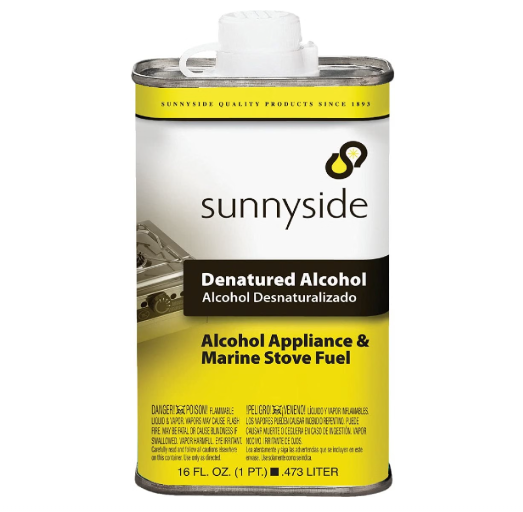
Shellac users know this can, and stove users can lean on it too. The listing says it can be used as a clean burning fuel for alcohol appliances, which is a clear statement many solvent cans skip.
It is described as pure denatured ethyl alcohol, packed in a one-pint metal can. That smaller size suits occasional campers who do not want a large can sitting half full in the garage for years.
Real-Use Fit: A tidy size for a few trips a season, with fuel use stated right on the listing.
Notable Features
- Listed as fuel for alcohol appliances
- Denatured ethyl alcohol base
- Compact one-pint metal can
Core Strengths
- Smaller can stays fresher once opened
- Clean burn for less soot
- Also thins and cleans shellac
Fits Best With
- Alcohol appliances and camp burners
- Occasional weekend cooking setups
- Shellac finishing projects at home
Before You Choose: A pint runs out quickly on long trips. Read the label carefully before use, as the listing advises.
4. MAXTITE High-Purity Denatured Alcohol in a Packable Bottle
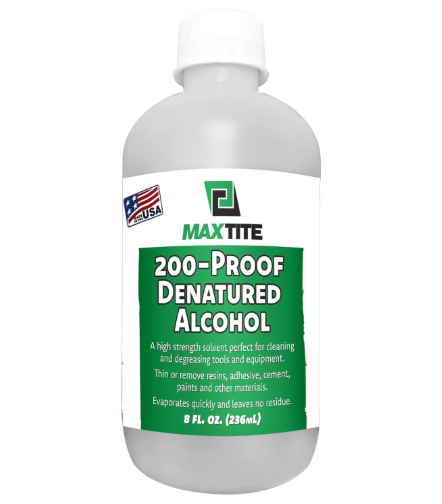
Here the selling point is a clearly stated recipe. The listing describes 200 proof ethyl alcohol denatured with isopropyl alcohol and methanol, with no other added denaturants, so you know what is inside.
The 8-ounce bottle is small enough for short trips or for testing how your stove burns a high-purity fuel. Like its larger sibling, it is made in the USA and sold mainly as a solvent and cleaner.
Real-Use Fit: Handy for overnight trips and side-by-side fuel tests at home before a bigger trip.
Notable Features
- 200 proof, the highest listed purity
- Denaturants named on the listing
- Small bottle for light kits
Core Strengths
- Known ingredients, fewer surprises
- Very little water in the fuel
- Low carry weight for short outings
Fits Best With
- Ultralight open-cup stoves
- One or two night trips
- Home burn tests before trips
Before You Choose: It contains methanol and is listed for solvent uses, not as stove fuel. The small bottle costs more per ounce than bulk cans.
5. SmartFuel Bioethanol Fuel for Plant-Based Alcohol Burners
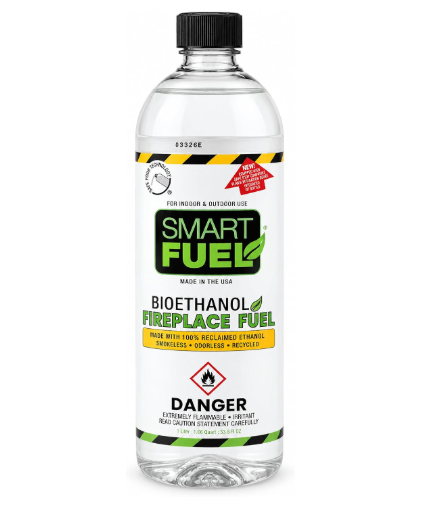
For cooks who want a plant-based option, this bottle is built around 100 percent plant-based bioethanol. The listing names ethanol stoves, tabletop burners, and manufacturer-specified liquid fuel reservoirs as its intended uses.
The standout is the SafetyPour cap, which includes a CPSC-compliant flame-mitigation device meant to reduce splashing and overpouring. The listing also describes a smokeless, odorless, ash-free burn with minimal soot when used as directed.
Real-Use Fit: A good match for ethanol burners and for cooks who value a safer pour over the lowest cost.
Notable Features
- Plant-based bioethanol fuel
- SafetyPour flame-mitigation cap
- One-liter bottle
Core Strengths
- Controlled pouring into reservoirs
- Minimal soot when used as directed
- Low odor during cooking
Fits Best With
- Ethanol and tabletop burners
- Stoves whose makers specify bioethanol
- Cool, refillable fuel reservoirs
Before You Choose: It is also marketed for fire pits and fireplaces. Never pour into a lit, warm, or smoking burner, and confirm your stove maker approves bioethanol.
6. Sunnyside Denatured Alcohol Twin Pack for Marine Stoves
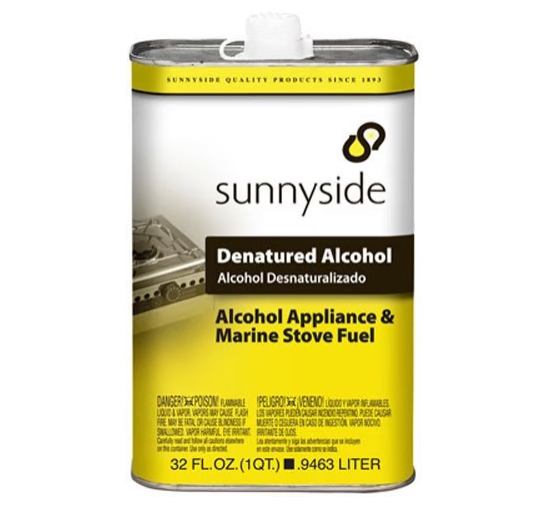
Boaters and frequent campers may like having a spare can on hand. This listing bundles two quarts and calls the fuel suited to marine stoves, with a clean burn and minimal residue.
It says the alcohol is designed for appliances that burn liquid alcohol, including camp stoves and portable heaters, and that it is not for kerosene or oil burning devices. A safety data sheet is included, and the listing also mentions cleaning uses.
Real-Use Fit: Sensible for galley cooks and groups who go through fuel steadily over a season.
Notable Features
- Two quarts in one listing
- Marked for marine stove use
- Safety data sheet included
Core Strengths
- Spare can for long seasons
- Clean burn with little residue
- Clear fuel-use guidance on listing
Fits Best With
- Marine and galley alcohol stoves
- Camp stoves that burn liquid alcohol
- Group trips with frequent cooking
Before You Choose: This listing has far less owner feedback than the others and is sold under a different seller brand name, so check the can label on arrival.
Common Mistakes When Choosing Fuel for Alcohol Stoves
Most fuel problems trace back to a few habits that are easy to fix once you spot them.
- Trusting the front label only. Two cans named denatured alcohol can burn very differently, so check the ingredient line or data sheet.
- Grabbing the wrong antifreeze bottle. The isopropyl version burns smoky, while the methanol version burns clean.
- Buying far more than you need. Large cans sit open longer and pick up moisture.
- Skipping a home test. Measure how much fuel one boil takes before you plan a trip.
- Ignoring the stove maker’s advice. Some burners, especially bioethanol units, name a specific fuel type.
Questions People Ask About Alcohol Stove Fuel
Can you burn isopropyl alcohol in an alcohol stove?
You can light it, but you probably will not enjoy cooking with it. Isopropyl burns with a yellow, smoky flame that leaves thick soot on your pot, and common rubbing alcohol also contains a lot of water, so boils take longer. Even 99 percent isopropyl is sootier than ethanol or methanol. Treat it as an emergency fallback only, and expect to scrub your cookware afterward. A denatured ethanol fuel is the better everyday choice for almost every stove design.
Is denatured alcohol safe to cook over?
Yes, when the fuel stays in the stove and the food stays in a covered pot. The flame burns the fuel off as vapor, so it does not soak into a meal cooked in a pot. The risk comes from handling. Denatured alcohol contains toxic additives such as methanol, so avoid skin contact, never drink it, and keep it away from food and water bottles. Cook outdoors with good airflow and let the stove cool before refilling.
How much fuel should you carry per day?
It depends on your stove, pot, wind, temperature, and how many hot meals you make. The most reliable method is a home test. Boil the amount of water you normally use, measure the fuel it took, then multiply by your daily boils. Add a margin for wind and cold mornings. Doing this once with your actual kit is far more accurate than any general rule, and it stops you from carrying fuel you will never burn.
Can you use high-proof drinking alcohol as stove fuel?
High-proof grain alcohol near 190 proof burns cleanly and is the least toxic option, which is why some cooks keep it for emergencies. It costs much more than denatured alcohol, though, so most people save it for special cases. Standard 80 proof liquor holds too much water to burn well in most stoves. If you try grain alcohol, store it in a clearly labeled fuel bottle so nobody mistakes it for a drink.
Why does my alcohol stove leave black soot on the pot?
Soot usually means incomplete burning. The most common cause is the fuel itself, especially isopropyl alcohol or a blend with unusual additives. A pot sitting too close to the flame can also choke off air and cause soot, as can a stove that runs too cool in cold weather. Switch to a methanol-heavy or clean denatured fuel first. If soot continues, check the pot height and make sure your windscreen leaves room for air.
Does alcohol stove fuel go bad?
Sealed fuel stays usable for a long time, but open containers slowly change. Alcohol pulls moisture from the air, and water lowers heat output and lengthens boil times. Some of the lighter parts of a blend can also evaporate if a cap is loose. Keep containers tightly closed, store them somewhere cool, and buy sizes you will use within a reasonable time. If old fuel burns weak or sputters, replace it rather than fighting it on the trail.
Is bioethanol the same as denatured alcohol?
They overlap but are not identical. Bioethanol is ethanol made from plant sources, and fuel sold for burners is usually denatured too, so it is not drinkable. Regular denatured alcohol may use ethanol from any source and can contain a large share of methanol. Bioethanol fuels are often marketed for tabletop burners and fireplaces, so check that your stove maker approves it. In a basic open-cup stove, it typically behaves much like other ethanol-based fuels.
What is the difference between denatured alcohol and alcohol stove fuel?
Often they are close cousins. Products sold as stove or marine fuel are usually denatured alcohol blends that the maker labels and directs for burning. Products sold as a solvent or shellac thinner are also denatured alcohol, but the label may not mention burning, and the blend can contain more methanol or other additives. Neither is a gasoline blend. When the front label is vague, the safety data sheet lists the actual ingredients, which tells you how it will likely burn.
Choosing Your Fuel With Confidence on Every Trip
For everyday camp cooking, a denatured alcohol with a high ethanol share gives you strong heat and a clean flame without fuss. High-purity bottles suit cooks who want the cleanest burn from a small load, while methanol-heavy fuel helps on cold mornings at the cost of higher toxicity.
Bioethanol makes sense when your burner maker calls for it or you prefer plant-based fuel. Marine-labeled cans fit galley stoves that list alcohol as their fuel.
No fuel fixes a poor setup, so a windscreen, a stable base, and a home test matter just as much. A simple rule works well: pick the cleanest-burning fuel your stove maker approves, then carry only what your test says you need.
If you want one bottle to start with, the Klean-Strip Denatured Alcohol is a sensible overall pick for most alcohol stoves.
