4 Best Gasifier Stoves for Camping and Cooking (Updated)

Disclosure: As an Amazon Associate, I earn from qualifying purchases. Learn more
For most campers, a compact stainless steel gasifier is the smartest pick, because it burns twigs cleanly and packs flat. Good fire is just patience held in a small steel cup. The real choice comes down to size and weight, how easily you can feed it fuel, and where you can safely light it.
Cheaper stoves often smoke more or run out of burn time fast, while better ones use double-wall airflow to burn wood gas a second time. Before you buy, remember that every model here is built for open-air cooking, not for warming a tent, RV, garage, or tiny home.
The guide below explains how these stoves work, what to look for, which mistakes cause smoke, and how to use one safely.
The unho smokeless fire pit suits backyard evenings with a double-wall burn, while the Portable Jiko Rocket Stove handles camp cooking on wood or charcoal.
For Backyard Evenings
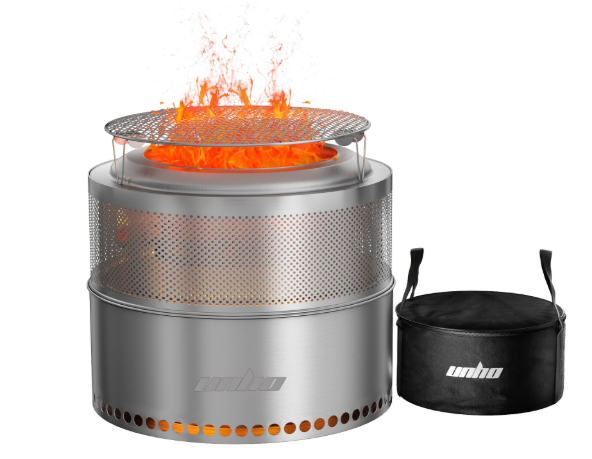
unho Smokeless Fire Pit
- Double-wall secondary combustion
- Perforated airflow design
- Detachable ash tray
For Camp Cooking
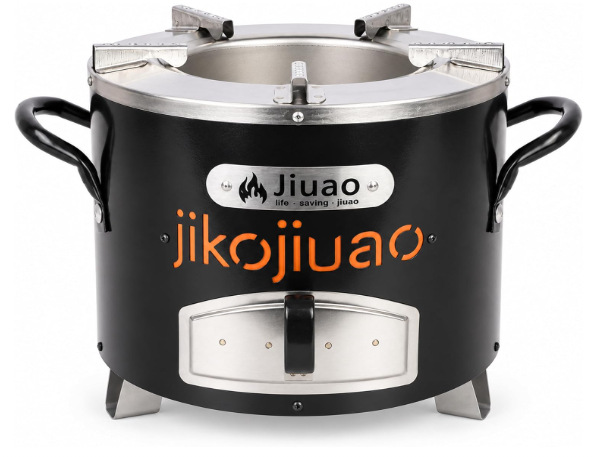
Portable Jiko Rocket Stove
- Wood or charcoal fuel
- Pull-out ash drawer
- Pot supports and handles
Why Gasifier Stoves Burn Cleaner Than Open Fires
A gasifier stove burns wood twice. First it heats the fuel until it releases gas, then it burns that gas with a second stream of air. That second burn is why the flame looks tidy and the smoke stays low.
For campers, that means less smoke in your face, quick boils on a handful of twigs, and less fuel to carry. Dry sticks, twigs, and pine cones are often easy to find near the site.
The trade-off is attention. These stoves need dry fuel and regular feeding, and heat control is harder than turning a knob on a canister stove.
Cleaner does not mean harmless. A wood-burning stove still produces carbon monoxide, so use it outdoors only.

What Happens Inside a Gasifier Stove While It Burns
- Step 1, ignition: You light a small load of dry fuel in the main chamber.
- Step 2, gas release: The fuel heats in low oxygen and gives off flammable wood gas instead of burning outright.
- Step 3, air supply: Air enters through holes at the base and through the double wall, and it warms on the way up.
- Step 4, second burn: The hot air meets the rising gas near the top, and the gas ignites in a clean, bright flame.
- Step 5, charcoal finish: What is left glows as charcoal, then drops to ash once the load is spent.
Choosing the Best Gasifier Stove for Camping or Cooking
- Size and weight: Smaller stoves pack easily but hold less fuel, so you refill more often. Match the stove to your group size.
- Material: Stainless steel handles heat and rough use well. Titanium is lighter but is also used for alcohol stoves, which burn a different fuel, so compare them in our alcohol stove guide.
- Fuel loading: An open-mouth or wide top lets you add sticks without lifting your pot.
- Airflow design: Look for double-wall construction with side and base vents, which supports the second burn.
- Pot support: Check that the arms or top rim hold your pot steadily and fit its width.
- Packability: Folding or nesting models save space. If room is tight, see our compact camping stove options.
Going by the manufacturer listings, these compact models are sized for pots and kettles, not for warming a room.
Best Gasifier Stove Options For Camping, Cooking, And Home Use
1. unho Smokeless Fire Pit For Cleaner Backyard Fires
A double-wall body with perforated airflow holes is what drives this fire pit. The design promotes secondary combustion, which aims for a cleaner burn once the wood is going well.
At 20 inches wide and about 20 pounds, it is easy to reposition around a yard. The detachable base tray helps with ash removal after it has fully cooled, and the stainless steel shell is built for outdoor weather.
It is one of the better gasifier-style fire pits for relaxed patio evenings, and a carry bag keeps storage simple.
What Users Mention
Solid build quality and a clean burn come up often, though opinions differ on how smokeless it truly is.
Standout Features
- Double-wall secondary combustion design
- Perforated base that helps keep sparks in
Main Advantages
- Good airflow for quick lighting
- Stainless steel for outdoor durability
- Easy ash removal once cool
Works Well With
- Firewood and wood pellets
- Patios, gardens, and picnics
- Small family gatherings
Good To Know
A grill grate is sold separately. Keep it away from flammable materials, never leave it unattended, and let it cool completely before moving.
2. Portable Jiko Rocket Stove For Wood And Charcoal Cooking
Picture a car-camping stop where you only need hot water or a simple meal. This jiko-style rocket stove burns small dry wood or cooking charcoal, so no gas canister or power hookup is involved.
Raised pot supports hold cookware above the fuel chamber, and a pull-out ash drawer makes cleanup easier once everything has cooled. Two side handles help you carry it, and at about 7 pounds it suits car trips better than long hikes.
What Users Mention
Efficient charcoal use and sturdy material come up often, while one user found the small chamber needed frequent refills.
Standout Features
- Wood or charcoal fuel flexibility
- Pull-out ash drawer for cooled ash
Main Advantages
- No gas canister needed
- Raised supports for outdoor boiling
- Side handles for easier carrying
Works Well With
- Suitable pots for boiling and cooking
- Car camping, picnics, and backyards
- Small dry wood or cooking charcoal
Good To Know
Use it outdoors in a well-ventilated area and move it only when fully cool. The compact body may need regular refueling during longer cooks.
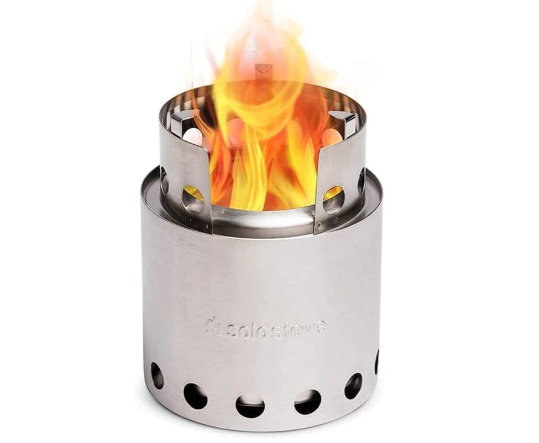
3. Solo Stove Lite Gasifier Stove For Backpacking Trips
Backpackers who want to skip canisters and liquid fuel will find this stove a natural fit. The patented double wall creates gasification and secondary combustion, so fuel burns more completely with less smoke.
It boils about 34 fluid ounces of water in 8 to 10 minutes using twigs and small wood you gather. The stainless steel and chrome wire build comes with a nylon stuff sack, and it nests inside the separately sold Solo Stove Pot 900 to save pack space.
That makes it one of the better gasifier stoves for solo trips where carrying fuel is a hassle.
What Users Mention
Heat efficiency, compact size, and quick boiling come up often, while some note it is not fully smokeless and can feel tippy.
Standout Features
- Double-wall gasification design
- Nylon stuff sack included
Main Advantages
- Burns free, gathered fuel
- Compact and easy to pack
- Lower smoke once fully hot
Works Well With
- Twigs and small dry wood
- Solo Stove Pot 900, sold separately
- Alcohol burners as a pot stand, per user feedback
Good To Know
It needs frequent feeding of small pieces, and the narrow base calls for flat ground. Pots will blacken, so use it outdoors only.
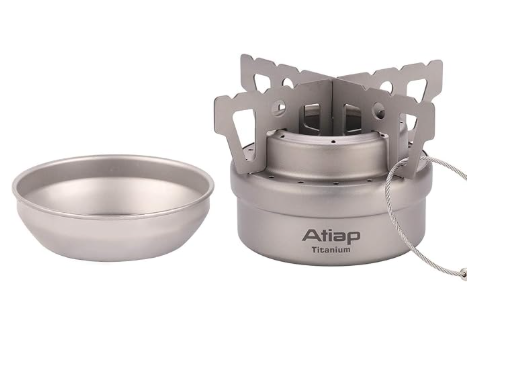
4. ATiAP Titanium Gasifier Stove For Ultralight Hiking Kits
Ultralight titanium keeps this set easy to forget in a pack, at only a few ounces for the stove and stand together.
The mini burner has ounce and milliliter markings for measuring fuel, plus a cross stand for stability and a drawstring sack for storage. The listing describes it as a gasifier, so the cover may not put the flame out at once. Lift it with a spoon to extinguish the fire.
What Users Mention
Light weight, sturdy build, and a stable pot stand come up often, while one reviewer said the lid did not seal fuel for transport.
Standout Features
- Cross stand for stable pot support
- Fill markings in ounces and milliliters
Main Advantages
- Very low pack weight
- Packs into the included sack
- Durable titanium build
Works Well With
- Small backpacking pots
- Alcohol fuel for quick boiling
- Ultralight hiking and camping kits
Good To Know
The cover may not extinguish the flame immediately, so lift it with a spoon. Not ideal for carrying fuel inside, since one user reported the lid does not seal.
Where a Gasifier Stove Is Safe to Use
Portable gasifier stoves are outdoor tools. For a tent, an RV, a garage, or a tiny home, the rule is the same: do not burn them inside.
The CDC carbon monoxide report on camping deaths states that camping stoves and heaters should never be used inside a tent, camper, or other enclosed shelter.
The CPSC camping safety guidance adds that portable heaters should not run while you sleep in enclosed areas. It also lists the warning signs: headache, dizziness, weakness, nausea, sleepiness, and confusion.
If you want heat in a tent, camper, or tiny home, choose a stove designed for indoor use with a proper flue, and install it exactly as its manual says. Our winter camping stove picks cover that category.
A camp gasifier is also not a garage or home heater. It is sized for a pot, so it gives little useful heat and carries real risk in a closed space.
Gasifier Stove Versus Rocket Stove and Rocket Mass Heater
A rocket stove burns small sticks in a short chimney and delivers strong, focused heat. A gasifier adds a second burn of the wood gas and is usually more compact. Rocket stoves tend to be bulkier.
For solo or two-person trips, a gasifier is usually the easier carry. For base camp or group cooking, a rocket stove can suit better, since it is built for steady, hotter fires.
A rocket mass heater is a different thing altogether. It is a built-in masonry system that stores heat in thermal mass and releases it slowly, and it is meant for heating a building rather than boiling a pot.
Decision rule: pick a gasifier for portable cooking, a rocket stove for bigger outdoor meals, and a mass heater only for a planned home installation.
Using a Gasifier Stove for Cooking Without Hassle
Start with dry, seasoned sticks of similar thickness. Damp wood makes smoke and kills the second burn.
Set the stove on bare ground, rock, or a fire-safe mat, well away from tents, dry grass, and anything that can burn. Stay with it the whole time it is lit.
Light a small load first, wait for the flame to settle, then set your pot on. Keep extra fuel handy, because most small stoves burn one load at a time.
The steady heat suits boiling water, one-pot soups, stir-fries, and pancakes in a skillet. Stir often, since heat control is limited compared with a gas burner. For more options, read our wood-burning camping stove reviews.
Mistakes That Make a Gasifier Stove Smoke or Fade
- Burning wet or green wood: It smokes heavily and weakens the second burn.
- Overfilling the chamber: Packing it too tightly blocks airflow and chokes the flame.
- Blocking air holes: Ash buildup or a pot sitting too low can cut off the air.
- Ignoring wind: A strong gust can push heat away from the pot or blow out the flame.
- Using oversized cookware: A heavy, wide pot can tip a light stove.
- Skipping fire rules: Some areas restrict wood-burning stoves during fire bans, so check with the local land manager first.
- Moving it while lit: Wait until it is fully cool.
Care Tips to Keep a Gasifier Stove Lasting Longer
Let the stove cool completely after each use. Brush out ash and loose residue with a soft brush so the vents stay open.
For a deeper clean, use mild soap and water, then dry it fully to prevent rust. Stainless steel resists moisture well, but trapped dampness can still cause problems over time.
Check the seams, pot supports, and vents for warping or cracks, and stop using the stove if you see damage. Store it dry, ideally in the pouch it came with.
Is a Gasifier Stove Really Eco Friendly?
It can be a greener choice than many options, since it runs on twigs and sticks and avoids carrying fossil fuel. The cleaner second burn also cuts visible smoke.
It is not emission-free, though. Wood still releases carbon monoxide and fine particles, so the benefit depends on burning dry fuel and using the stove outdoors.
Collect only fallen wood, never cut live trees, and leave the site as you found it. That is where most of the real environmental value comes from.
Common Gasifier Stove Questions Answered
Can a Gasifier Stove Burn Pellets or Charcoal?
Some can, but only when the manual says so. Small wood pellets and charcoal briquettes burn differently from sticks, and a stove sized for twigs may overload or choke on them. Never burn treated lumber, painted wood, or trash, because they release harmful fumes. If your stove lists approved fuels, stick to that list, and start with a small load to see how it behaves before you cook a full meal.
Why Does My Stove Burn Out Before the Water Boils?
Most small gasifiers burn one load at a time, so a short burn means you simply ran out of fuel. Pack the chamber with dry sticks of even size, light it, and keep a pile of extra fuel within reach. Wet wood, a pot sitting too low, or blocked air holes also kill the flame early. Choose a model with an open-mouth or wide top if you want to feed fuel without lifting your pot.
Is It Safe to Place a Gasifier Stove on a Picnic Table?
No. The base and ground around a wood stove get very hot, and the heat can scorch or ignite wooden tables, dry grass, and plastic surfaces. Set it on bare soil, rock, or a fire-safe mat, clear a few feet of dry leaves around it, and keep water or sand nearby. Never move the stove while it is lit, and never leave it unattended, even for a quick trip to the car.
How Do I Put Out a Gasifier Stove Safely?
Let the fuel burn down to ash whenever you can. If you must stop early, lift unburned pieces out with tongs and drop them into a metal container of water. Douse the ashes, stir them, and hold your hand near the area from a safe distance until nothing feels warm. Pack out cold ashes or dispose of them according to local rules, and let the stove cool fully before packing it.
Is an Alcohol Stove the Same as a Gasifier Stove?
No. A gasifier burns wood or biomass in two stages, while an alcohol stove burns liquid or solid alcohol fuel in a simple burner. Some titanium alcohol stoves are sold in the same camping categories, which is why they get mixed up. Alcohol stoves are light and simple but give less flame control, and spilled fuel can be hard to put out. Pick the type that matches the fuel you want to carry.
Picking the Right Stove for Your Trips
A gasifier suits you if you want a light, compact stove that burns found fuel cleanly for boiling and one-pot cooking. It suits you less if you need precise heat control, camp where wood fires are restricted, or want warmth inside a shelter.
Decision rule: choose by fuel, size, and how easily you can feed it, then use it outdoors on safe ground. Treat any stove claim of clean burning as a reason to take care, not as permission to bring it inside.
